


Preserving Homegrown Produce: Practical Tips for Canning, Freezing and Drying


Preserving homegrown produce helps you cut waste and eat well all year. The main methods are canning, freezing, and drying. Each method suits different fruits and vegetables. Good results depend on clean tools, fresh produce, and safe steps. This guide covers simple tips for canning jars, freezing packs, and drying trays at home.
Choose canning for shelf-stable foods like jams and pickles. Choose freezing for peas, beans, sweet corn, and many fruits. Choose drying for chillies, herbs, and thin slices of fruit. Think about your storage space and power cuts. Also check how you will use the food later, like cooking or snacking.
AI-generated summary, reviewed by editors

Harvest at peak ripeness for best taste and texture. Avoid bruised or mouldy pieces, as spoilage can spread. Wash produce under clean running water. Trim stems and damaged parts. Keep cut produce covered and cool. Work in small batches, as heat can soften fruits and vegetables in Indian kitchens.
Food safety basics you should not skip
Use clean hands, clean cloths, and clean tools every time. Sterilise jars if your process time is short, or follow your tested recipe. Use safe water for washing and cooking. Do not guess canning times or swap key ingredients. If a jar leaks, smells odd, or shows mould, discard it without tasting.
Canning: what it is and when it works best
Canning uses heat to kill germs and seal jars. Water-bath canning suits high-acid foods, like many fruit products, jam, jelly, and pickles. Pressure canning is needed for low-acid foods, like most vegetables, beans, and soups. Use a recipe from a trusted source, as acid level and time matter.
For water-bath canning, keep jars hot before filling. Leave the headspace your recipe states. Remove trapped air with a clean tool. Wipe rims, fit lids, and tighten bands to fingertip tight. Keep jars fully covered with boiling water. Start timing only when the water returns to a full boil.
For pressure canning, use the correct pressure for your altitude. Follow your canner manual for venting and timing. Let pressure return to zero on its own. Do not force-cool the canner. After processing, keep jars still for 12 to 24 hours. Then check seals and store without the screw bands.
Freezing: fast, simple, and good for many crops
Freezing keeps flavour well, but texture can change. Use it for berries, mango slices, leafy greens for cooking, and many vegetables. Pack food in freezer-safe boxes or thick freezer bags. Remove as much air as you can. Label each pack with item and date, so older packs get used first.
Blanching is key for most vegetables. It slows enzyme action that harms colour and taste. Boil water, add the veg, and blanch for the right time. Then cool fast in ice water and drain well. Pack in small amounts to freeze quickly. For fruits, use dry packs or syrup packs as needed.
Drying: low space, long life, and easy use
Drying removes water so germs cannot grow well. Sun drying can work in hot, dry weather, but dust and insects are risks. A food dehydrator gives steadier heat and airflow. An oven can work at low heat with the door slightly open. Dry thin, even pieces for steady results.
Dry herbs like mint, curry leaves, and coriander in shade with good airflow. Dry chillies whole or sliced, based on your use. For fruits, use lemon water to slow browning in apples or bananas. Food is dry enough when it is leathery or crisp, depending on the item. Cool fully before storing.
Tools and supplies that make preserving easier
For canning, you may need glass jars, new lids, bands, a jar lifter, and a large pot or pressure canner. For freezing, keep freezer bags, boxes, and a marker. For drying, use a dehydrator, mesh trays, or clean cloth screens. Keep a kitchen scale and timer for steady batches.
Storage, labelling, and shelf life checks
Store canned jars in a cool, dark, dry place. Heat and sunlight can reduce quality. Store frozen food at a steady low temperature, and avoid frequent thawing. Store dried food in airtight jars or pouches, away from moisture. Always label item, method, and date. Check often for leaks, frost burn, or dampness.
Common mistakes and how to avoid them
Do not use open-kettle canning, as it is not safe. Do not thicken canned foods with flour or starch unless a tested recipe says so. Do not overfill jars, as sealing can fail. For freezing, do not pack warm food, as it raises freezer temperature. For drying, do not store food before it cools.
Quick method guide for homegrown produce
Use water-bath canning for jam, jelly, and many pickles. Use pressure canning for plain vegetables and mixed meals. Freeze soft fruits, blanched vegetables, and grated coconut. Dry herbs, chillies, and fruit slices for snacks. If you are unsure, choose freezing, as it needs fewer safety rules than canning low-acid foods.
-
 Gold Silver Rate Today, 4 April 2026: Check City-Wise Gold, Silver Prices and MCX Trend
 -
 Hyderabad Weather Update: IMD Issues Yellow Alert As Thunderstorms Likely Across Telangana Till April 7
 -
 Latest Gold Silver Rate In Hyderabad, 4 April 2026: Fresh 18K, 22K, 24K Gold and Silver Prices
 -
 Gold Rate Today 4 April 2026: Check Fresh IBJA Gold Rates, Tanishq, Kalyan, Malabar, Joyalukkas Prices
 -
 IPL 2026 GT vs RR: Shubman Gill Out, Rashid Khan Captains Gujarat Titans vs Rajasthan Royals At Ahmedabad
 -
 How Iran Brought Down US Military A-10 ‘Warthog’: IRGC Releases Video
 -
 Dhurandhar 2 Box Office Collection: Ranveer’s Flick Defies Weekday Dip, Charges Ahead Towards ₹1,000 Cr India
 -
 Karnataka 2nd PUC Results On This Date, Check 2nd PUC Result 2026 Karnataka Date And Time
 -
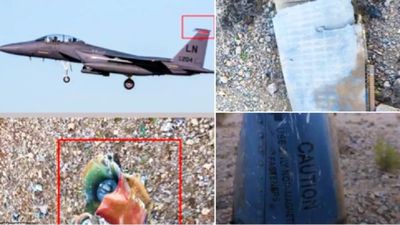 US Air Force’s ‘Swiss Army Knives’ Lead High-Risk Search And Rescue Mission For Missing Pilot In Iran
 -
 We’re In War: Donald Trump Says US Aircraft Loss Won’t Derail Iran Talks
 -
 India Says Iranian Oil Supply Secure, Rejects Tanker Diversion Reports Linked To Payment Issues
 -
 Sunny Leone Faces Abuse As Tommy Gunn Shares ‘Throwback’ Photo



 Click it and Unblock the Notifications
 Sign in with Google