


Why Oman Is Hosting The US-Ukraine Talks?


Oman's role as host for talks between the United States and Ukraine has spotlighted the Gulf nation's strategic importance as a neutral diplomatic intermediary at a time of prolonged global instability. While the discussions are centered on Ukraine, the choice of venue reveals as much about evolving international diplomacy as it does about the war itself.
What are the talks about?
The discussions involve diplomatic and strategic coordination between the United States and Ukraine amid the continuing conflict with Russia. While military assistance remains a key component of Washington's support for Kyiv, the talks also reflect broader concerns long-term security planning, diplomatic positioning, and managing the global repercussions of the war.
AI-generated summary, reviewed by editors

Who is participating?
Officials from the US and Ukraine are engaged in the dialogue, with Oman acting solely as the host. Oman is not a mediator in the conflict, nor a party to the war, but provides the diplomatic environment necessary for private, high-level engagement between allies.
Where are the talks taking place?
The meetings are being held in Oman, a country widely regarded for conducting quiet, behind-the-scenes diplomacy. Unlike more politically charged capitals, Oman offers a setting that allows discussions to remain focused and insulated from symbolic pressures.
When and why now?
The timing is crucial. As the Ukraine war enters a prolonged phase with no immediate resolution in sight, the US is reassessing how it sustains support for Kyiv while managing global economic and security fallout. Holding talks now signals a shift from short-term crisis management toward longer-term strategic coordination.
Why was Oman chosen?
Oman's foreign policy is defined by neutrality, dialogue, and balance. It maintains cordial relations across rival geopolitical camps, including Western powers and countries aligned differently on the Ukraine conflict. This diplomatic flexibility makes Oman a rare venue where sensitive discussions can occur without implying escalation or alliance signaling.
Unlike NATO or European locations, Oman's involvement does not frame the talks as confrontational or expansionist. Instead, it reinforces Oman's image as a facilitator that prioritizes stability over influence.
How does this affect global diplomacy?
The choice of Oman reflects a broader trend in international relations: major powers increasingly rely on neutral states to host sensitive engagements. This approach helps reduce diplomatic friction while keeping communication channels open during extended conflicts.
The larger significance
Oman hosting the US-Ukraine talks illustrates how modern diplomacy adapts to a multipolar world. As wars become longer and alliances more complex, neutral spaces like Oman are emerging as critical platforms where strategic conversations can continue, even when formal peace remains elusive.
-
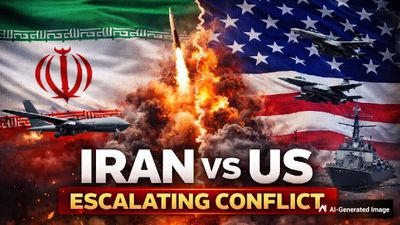 Iran Hits Back at Trump, Threatens Prolonged War
 -
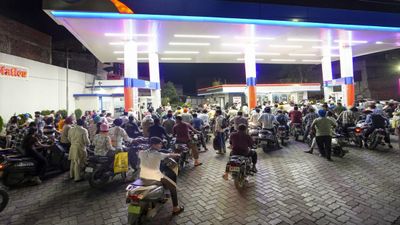 Centre Plans ₹2.5 Lakh Crore Credit Shield for Businesses Facing Iran Conflict Fallout
 -
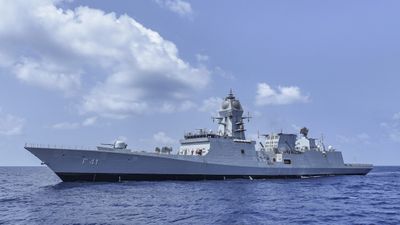 INS Taragiri To Join Indian Navy Fleet, Boosting Maritime Power
 -
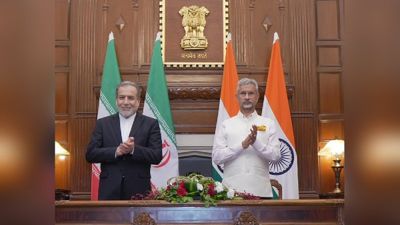 No Cause for Panic: Iran Reassures India on Hormuz Situation
 -
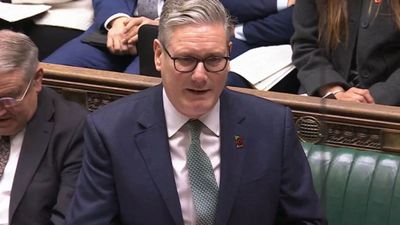 UK To Host 35-Nation Talks To Reopen Strait Of Hormuz Amid Oil Crisis
 -
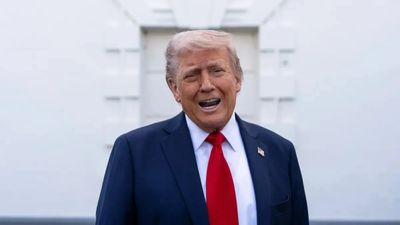 ‘Iran Wants Ceasefire’: Donald Trump Threatens To Send Tehran ‘Back To The Stone Age’
 -
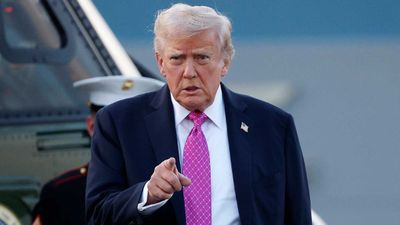 What Is The ‘Stone Age’ Warning Donald Trump Issued To Iran? Says ‘No Deal, No Mercy’
 -
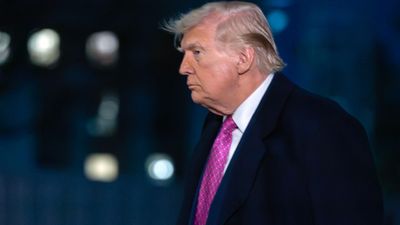 Trump's Address To Nation: Key Pointers From US President's Speech
 -
 Iran Crisis: Over 5.98 Lakh Indians Have Returned Home, Confirms Govt
 -
 We're The Only Country To Lose Mariners At Strait of Hormuz: India At UK-led West Asia Meet On Iran Crisis
 -
 Will Donald Trump Quit NATO After Iran War Rift? Europe Unites As Alliance Faces Its Biggest Crisis In Decades
 -
 Stock Market Crashes As Sensex Falls Over 1,400 Points After Trump’s Iran War Warning, Oil Prices Surge



 Click it and Unblock the Notifications
 Sign in with Google