


What Trump Meant By Iran’s ‘Oil Gift’: Pakistan-Flagged Tankers And The Hormuz Tensions
The situation centers on US Iran tensions over energy and oil flows through the Strait of Hormuz, with Pakistan-flagged tankers cited as part of a broader energy diplomacy debate and ongoing security concerns.


US President Donald Trump claimed Iran allowed a group of Pakistan-flagged oil tankers to sail through the Strait of Hormuz as a goodwill "gift", even as the conflict between Washington and Tehran intensified and the United States weighed tougher measures over Iran's nuclear programme and control of energy supplies.

AI-generated summary, reviewed by editors
Trump said the gesture involved an initial group of eight tankers, later rising to ten, and linked it to broader discussions over energy rather than nuclear issues, while Iranian officials continued to describe US diplomatic proposals as "one-sided and unfair" despite rising civilian casualties in Iran and Lebanon.
Strait of Hormuz Iran oil shipments and Trump's 'gift' claim
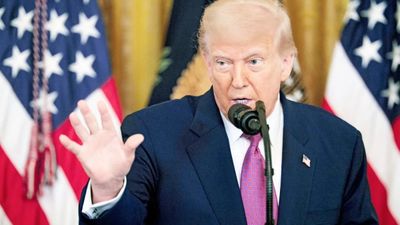
Describing a cabinet room conversation, Trump said Iranian representatives promised to demonstrate seriousness. According to Trump, "They said to show you the fact that we're real and solid and we're there, we're going to let you have eight boats of oil. Eight boats. Eight big boats of oil," a proposal Trump said was made two days before the meeting.
Trump added that at the time "This was two days ago… and I didn't think much about it." Trump then said television coverage seemed to support the claim, asserting he later saw reports that multiple tankers were heading through the strategic waterway after weeks of tension and tight controls on vessel movements.
Strait of Hormuz Iran oil shipments increase and Pakistan-flagged tankers
Trump recounted watching a news report that, in his words, confirmed unusual shipping activity. "I watched the news… and he said, something's unusual happening. There are eight boats that are going right up the middle of the Hormo Strait. Eight big tankers are going, loaded up with oil right through," Trump said, before adding: "I said, well, I guess they were right. And they were. They were real, and I think they were Pakistani flagged."
Trump further claimed Tehran expanded the gesture after another exchange. "They then apologised for something. They said, and they said, we're going to send two more boats. And it ended up being ten boats," Trump said. Trump linked this to his assessment of the interlocutors, adding: "I said, well, I guess we're dealing with the right people."
One day earlier, Trump had already hinted that Iran made what was described as a major concession over energy, calling it a "gift" related to oil and gas flows and suggesting it might involve the Strait of Hormuz, a crucial channel for global shipments, while avoiding any direct reference to nuclear arrangements or sanctions relief.
The comments came as Trump insisted Iran wanted talks on Washington's terms, stating: "They are begging to make a deal, not me. They're begging to make a deal." At the same time, Trump warned that US actions could intensify if Iran refused to change course on nuclear activities, saying: "If they don't, we're their worst nightmare… we'll just keep blowing them away," language that underlined the high stakes around the negotiations.
Trump also said controlling Iran's oil remained a live policy option for the United States, remarking "It's an option," and comparing the idea with earlier US moves involving Venezuela's energy sector, even as Iran continued to use its geographic position to influence vital maritime routes and energy security.
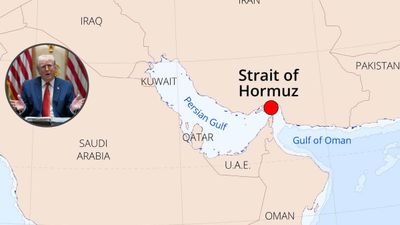
With about one-fifth of the world's oil supply passing through the Strait of Hormuz, the channel stayed central to the standoff. Iran in recent weeks restricted or closely checked ships linked to the United States and allied countries, while still allowing limited passage, a mix that unsettled energy markets and drew extra naval deployments.
| Issue | Detail |
|---|---|
| Tankers mentioned by Trump | Initially 8, later 10 |
| Tanker flags | Pakistan-flagged, according to Trump |
| Global oil via Hormuz | Roughly one-fifth of world supply |
| Conflict duration | Nearing one month |
The wider regional picture remained bleak. The conflict between the United States and Iran, already close to one month old, fed into violence across the Middle East, with thousands reported dead in Iran and Lebanon and millions displaced from homes, while diplomatic channels stayed open but produced little concrete progress on a ceasefire or political settlement.
Separate developments underlined how fragile the situation was beyond Hormuz. In Abu Dhabi, missile debris killed one Indian national and injured another, while an Israeli strike reportedly killed Iran navy commander Alireza Tangsiri, labelled the "Man who ran Strait of Hormuz", and analysts warned that Bab al-Mandeb, known as the "Gate of Tears", could emerge as a second pressure point for Iran alongside Hormuz.
As these incidents unfolded, Iranian officials continued to reject US proposals as "one-sided and unfair", leaving the future of talks unclear, even while tankers moved through the Strait of Hormuz, oil markets stayed volatile and both sides weighed military options alongside diplomatic messages over control of regional energy routes.
-
 What Happened Last Time Iran Held US Personnel: The 2016 Detention That Still Haunts Washington
 -
 Has Pakistan Lifted The Ban on Dhurandhar 2? Find Out The Truth
 -
 INS Taragiri To Join Indian Navy Fleet, Boosting Maritime Power
 -
 We're The Only Country To Lose Mariners At Strait of Hormuz: India At UK-led West Asia Meet On Iran Crisis
 -
 Iran Names 8 Gulf, Jordan Bridges as Possible Targets After Deadly Karaj Strike
 -
 No Cause for Panic: Iran Reassures India on Hormuz Situation
 -
 'Behind Enemy Lines' For Real: F15 US Pilot Rescue Unfolds Deep Inside Iran
 -
 Stock Market Crashes As Sensex Falls Over 1,400 Points After Trump’s Iran War Warning, Oil Prices Surge
 -
 US Confirms Fighter Jet Downed Over Iran, Tehran Announces Reward For Those Who Find Crew
 -
 Iran Hits Back at Trump, Threatens Prolonged War
 -
 We’re In War: Donald Trump Says US Aircraft Loss Won’t Derail Iran Talks
 -
 When Will Strait of Hormuz Reopen? Donald Trump’s Iran War Speech Suggests No Quick Relief



 Click it and Unblock the Notifications
 Sign in with Google