


US Senate Raises Concerns Over Decision-Making in Iran Strike


The United States Senate became the focal point of scrutiny on Wednesday as top intelligence officials from the administration of Donald Trump appeared before the Senate Intelligence Committee, offering their first public testimony since the war with Iran began three weeks ago.
Lawmakers used the hearing to press for clarity on the rationale behind the conflict, questioning Director of National Intelligence Tulsi Gabbard, CIA Director John Ratcliffe and FBI Director Kash Patel over inconsistencies between the administration's claims and intelligence assessments.
AI-generated summary, reviewed by editors

A key flashpoint in the Senate hearing was whether Iran posed an imminent threat. Senators repeatedly asked if intelligence agencies had confirmed any immediate danger, but Gabbard stopped short of endorsing that view, saying such determinations ultimately rest with the president. Her response drew sharp reactions from lawmakers, especially in light of the recent resignation of Joe Kent, who had publicly stated that no imminent threat existed.
The Senate panel also examined conflicting narratives around Iran's nuclear programme. While the White House has maintained that Tehran was rebuilding its capabilities, Gabbard's prepared testimony suggested that US strikes under Operation Midnight Hammer had effectively dismantled Iran's enrichment capacity. Senators pointed out that this line was omitted during her oral remarks, raising further questions during the hearing.
Another major point of discussion in the Senate was the current state of Iran's leadership. Intelligence officials told lawmakers that although the regime has been weakened by sustained US and Israeli strikes, it remains operational. Senators pressed for details on how much damage had been inflicted and whether it altered the broader strategic outlook.
The hearing also revisited long-standing concerns about the Strait of Hormuz, with officials confirming to the Senate that intelligence agencies had anticipated possible disruptions to global energy routes in the event of a conflict.
Perhaps most notably, senators struggled to pin down how intelligence factored into the decision to launch the war. Ratcliffe acknowledged attending multiple high-level meetings but could not identify a definitive moment when the final call was made, leaving the Senate without a clear understanding of how intelligence shaped the path to war.
By the end of the session, the Senate hearing had underscored a widening gap between political assertions and intelligence findings, with lawmakers signalling that further scrutiny of the administration's decisions is likely in the weeks ahead.
-
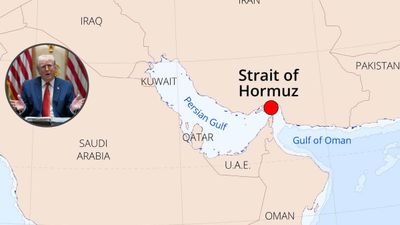 When Will Strait of Hormuz Reopen? Donald Trump’s Iran War Speech Suggests No Quick Relief
 -
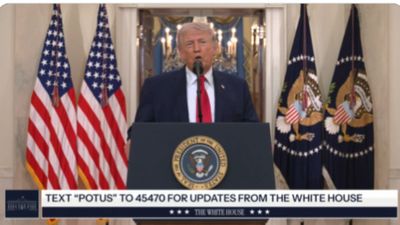 Trump Addresses Nation Amid Iran War, Targets Obama Nuclear Deal, Justifies ‘Operation Epic Fury' , Watch
 -
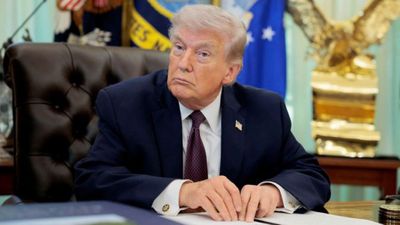 Donald Trump Offers To Buy Oil From The US, Says “We Have Plenty”; Claims Iran War Will “Finish Very Fast'
 -
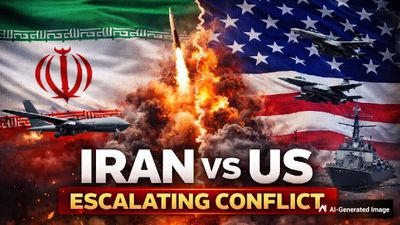 Iran Hits Back at Trump, Threatens Prolonged War
 -
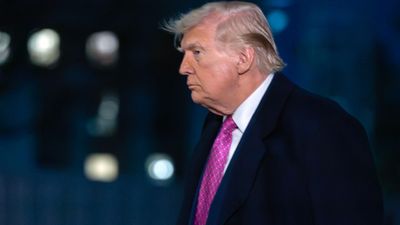 Trump's Address To Nation: Key Pointers From US President's Speech
 -
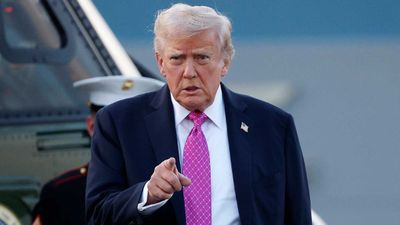 What Is The ‘Stone Age’ Warning Donald Trump Issued To Iran? Says ‘No Deal, No Mercy’
 -
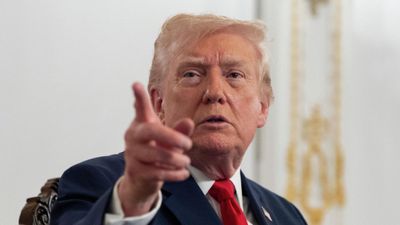 Will Donald Trump Quit NATO After Iran War Rift? Europe Unites As Alliance Faces Its Biggest Crisis In Decades
 -
 Stock Market Crashes As Sensex Falls Over 1,400 Points After Trump’s Iran War Warning, Oil Prices Surge
 -
 Gold Rate Today 2 April 2026: Latest IBJA Gold Rates, Tanishq, Kalyan, Malabar, Joyalukkas 22K Prices
 -
 Can Raghav Chadha Be The PM? How His Parliament Speeches On Real Issues Won Public Attention
 -
 Who Is Ashok Mittal? The Man Replacing Raghav Chadha In Rajya Sabha, From Sweet Shop Roots to Parliament
 -
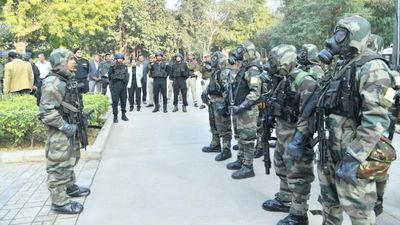 Civil Defence Mock Drill in Delhi At 8 PM Today: Full Schedule of Locations and Timings Released



 Click it and Unblock the Notifications
 Sign in with Google