


US President Donald Trump Agrees to Dialogue With New Iranian Leaders in Wake of Escalation


One day after ordering air strikes that killed Ayatollah Ali Khamenei, President Trump said Iran's new rulers now want direct talks and that discussions are planned. In a phone call from Mar-a-Lago on March 1, 2026, Trump described a fresh opening for negotiations, even as the wider region remained on edge and active military operations continued.
Trump claimed that Tehran's leadership had delayed diplomacy for too long, and said key figures involved in recent contacts were now dead. He argued that a deal had been possible before the strikes. Trump also repeated that Iranian leaders had misread the moment and "played too cute," waiting until the United States delivered what he called a massive blow.
AI-generated summary, reviewed by editors

Trump and Iran negotiations after the attack
Describing the outreach from Tehran, Trump said, "They want to talk, and I have agreed to talk, so I will be talking to them. They should have done it sooner. They should have given what was very practical and easy to do sooner. They waited too long," adding that timing for any meeting would not be shared publicly.
When asked whether discussions with Iranian officials might occur on March 1 or March 2, Trump replied, "I can't tell you that." Trump then noted that several officials who had been engaged in talks in the preceding weeks were killed in the strikes. "Most of those people are gone. Some of the people we were dealing with are gone, because that was a big—that was a big hit," he said.
Trump and Iran uprising, bombing campaign
The president had already addressed Iranians directly in a social media video posted on February 28, urging people to challenge their rulers once bombing ends. In that message, Trump said, "Now you have a president who is giving you what you want. So let's see how you respond." He framed the moment as a test of public resolve against the current regime.
Trump further told Iranians, "Now is the time to seize control of your destiny and to unleash the prosperous and glorious future that is close within your reach." His comments came as analysts debated whether the air strikes would weaken the government in Tehran or push the country further towards instability and internal conflict.
During the interview, I asked Trump if the United States would extend the bombing to back any mass uprising. The question was whether air power would continue if street protests tried to topple the regime. Trump declined to make a clear commitment, stressing that any such choice would depend on how events develop at that point.
Trump replied, "I have to look at the situation at the time it happens, Michael. You can't give an answer to that question," but still predicted that unrest would intensify. Trump pointed to celebrations in Iranian cities and gatherings of expatriates in New York and Los Angeles, asserting that these were early signs of a popular movement against the authorities in Tehran.
Trump and Iran reactions on the streets
Trump said, "That is going to happen. You are seeing that, and I think it's gonna happen. A lot of people are extremely happy over there and in Los Angeles and in many other places," even as large anti-war protests were also reported in major cities, including some demonstrations just a short distance from pro-regime-change rallies.
Despite saying people were "shouting in the streets with happiness," Trump also stressed the risk to civilians. Trump explained that the situation on the ground was unstable while bombs continued to fall. "Knowing it's very dangerous, knowing I've told everybody to stay in place—I think it's a very dangerous place right now," Trump said, adding that celebrations were taking place under constant threat of new strikes.
Trump and Iran security threats, casualties
For years, U.S. agencies have monitored suspected Iranian plots to kill U.S. officials, including Trump, on American soil. I asked Trump whether there were signs of fresh threats against the United States after the latest assault. Trump declined to share any assessment, answering, "I don't want to tell you that," leaving the level of risk unclear to the public.
Shortly after our call, U.S. military officials confirmed that three U.S. service members were killed and five severely wounded during the operation against Iran. These were the first confirmed American casualties of the new campaign. The Pentagon announcement underscored the human cost of the strikes as Washington weighed further military and diplomatic steps.
Trump and Iran, U.S. economy and oil markets
Trump said he did not expect the confrontation with Iran to derail Republican efforts ahead of the midterm elections later in 2026. He insisted the administration would still be judged mainly on domestic economic performance. Trump argued that voters would continue to feel that policy focus in their daily lives, despite the overseas conflict and rising security concerns.
Trump said, "We have the greatest economy we've ever had," and complained about media coverage. "The word isn't out because people like you don't write about it properly. But the economy is ready to go through the roof. And it already is in many cases." Trump suggested that strong growth would help absorb any external shock linked to the crisis.
Oil markets, set to reopen on the evening of March 1, were a central concern for many analysts. Trump argued that early success in the operation against Iran might prevent sharp spikes in global energy prices. He said the campaign had avoided worst-case scenarios that could have pushed fuel and transport costs sharply higher for American consumers.
Trump told me, "This could have been a huge price increase with respect to oil, if things went wrong," while insisting that the impact on U.S. wallets would likely be limited. Trump then shifted back to his broader justification for striking Iran again, after a previous attack in June, framing the latest action as a response to decades of violence by Tehran's leadership.
Reflecting on the decision to hit Iran, Trump said that others had wanted such an operation for decades but had not carried it out. "So we'll see what happens," he said, before adding, "People have wanted to do it for 47 years. They've killed people for 47 years, and now it's reversed on them." The future course of talks, military action and protest movements remains uncertain.
-
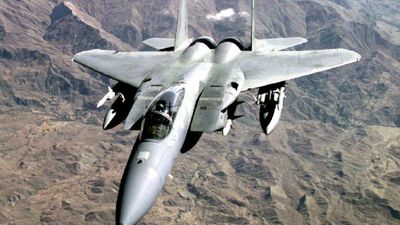 'Behind Enemy Lines' For Real: F15 US Pilot Rescue Unfolds Deep Inside Iran
 -
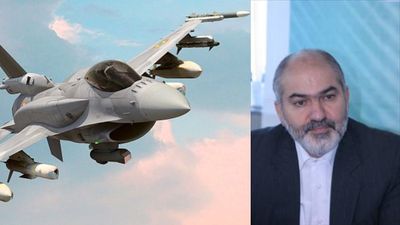 US Confirms Fighter Jet Downed Over Iran, Tehran Announces Reward For Those Who Find Crew
 -
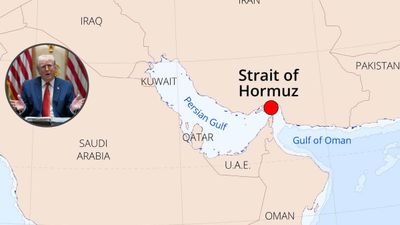 When Will Strait of Hormuz Reopen? Donald Trump’s Iran War Speech Suggests No Quick Relief
 -
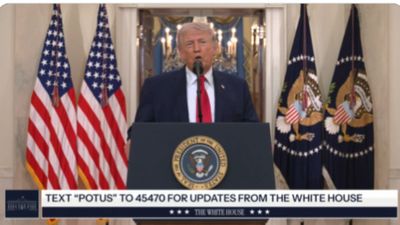 Trump Addresses Nation Amid Iran War, Targets Obama Nuclear Deal, Justifies ‘Operation Epic Fury' , Watch
 -
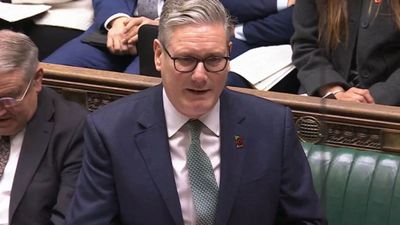 UK To Host 35-Nation Talks To Reopen Strait Of Hormuz Amid Oil Crisis
 -
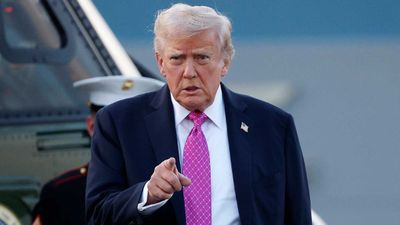 What Is The ‘Stone Age’ Warning Donald Trump Issued To Iran? Says ‘No Deal, No Mercy’
 -
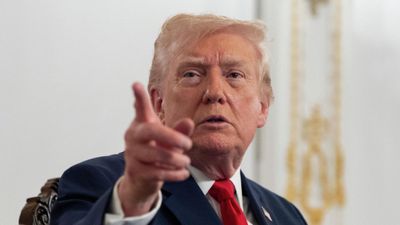 Will Donald Trump Quit NATO After Iran War Rift? Europe Unites As Alliance Faces Its Biggest Crisis In Decades
 -
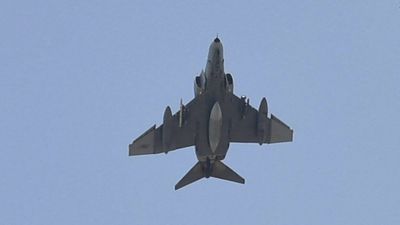 Iran Shoots Down Second US F-35 Fighter Jet, Pilot Survival Unlikely
 -
 Iran Names 8 Gulf, Jordan Bridges as Possible Targets After Deadly Karaj Strike
 -
 INS Taragiri To Join Indian Navy Fleet, Boosting Maritime Power
 -
 Petrol Price India Vs Pakistan: Why Fuel Is Cheaper In India Than Pak Despite Global Crisis
 -
 We're The Only Country To Lose Mariners At Strait of Hormuz: India At UK-led West Asia Meet On Iran Crisis



 Click it and Unblock the Notifications
 Sign in with Google