


US-Iran Ceasefire: Did Tehran Climb Down From Its Earlier Position? Check 10-Point Proposal


Iran's Supreme National Security Council on Wednesday said it has accepted a two-week ceasefire in the war and that it would negotiate with the US in Islamabad beginning on Friday.
"It is emphasised that this does not signify the termination of the war," the council's statement said. Iranian Foreign Minister Abbas Araghchi said passage through the Strait of Hormuz would be allowed for the next two weeks under Iranian military management.
AI-generated summary, reviewed by editors

In a post on his social media site, US President Donald Trump said that provided Iran agreed "to the COMPLETE, IMMEDIATE, and SAFE OPENING of the Strait of Hormuz" he would "suspend the bombing and attack of Iran for a period of two weeks." Trump said.
10 points Proposal To End War
- End all regional conflicts, not just a temporary pause in fighting.
- Move toward a permanent end to the war, rather than a short ceasefire.
- Establish safe passage protocols through the Strait of Hormuz.
- Allow Iran's right to enrich uranium under the NPT framework.
- Lift U.S. and other international sanctions on Iran.
- End Israeli attacks on Hezbollah in Lebanon.
- End strikes on Iranian-linked targets in the wider region.
- Start reconstruction of war-affected areas.
- Open the Strait of Hormuz in exchange for a broader settlement, with reported conditions on shipping.
- Seek a broader regional security arrangement tied to the end of hostilities.
Did Iran Climb Down From Its Earlier Position?
Yes - based on the reporting, Iran appears to have softened its earlier position, but not in the sense of fully conceding. The 10-point plan still demands a permanent end to hostilities, sanctions relief, and security guarantees, which suggests Tehran is bargaining from a slightly more pragmatic stance rather than simply capitulating.

What changed
Earlier, Iran was described as rejecting a temporary ceasefire and insisting on a lasting settlement with guarantees against renewed attacks. The newer 10-point response still keeps that hard line, but it also engages with a structured framework for ending the conflict, including safe passage through the Strait of Hormuz, lifting sanctions, and reconstruction terms. That is why analysts are reading it as a climb-down in tactics, not in core demands.
Why it looks like a climb-down
A pure hard-line position would be to reject any U.S.-backed process outright. Instead, Tehran has now placed a formal counterproposal on the table, which implies willingness to negotiate the terms of de-escalation. The fact that U.S. officials described the reply as "maximalist" while Trump called it "not good enough" shows both sides still see major gaps, but the channel remains open.
- Assembly Elections 2026 LIVE: Single-Phase Voting In Kerala, Assam And Puducherry Today| Turnout Updates Here
- Vijay Breaks Silence On Divorce With Sangeetha: 'People Around Me Waited...'
- Tamil Nadu Election Result Prediction: Will AIADMK Overpower DMK? JVC Poll Survey Out
- Trisha Says 'Everything Is Meaningless Without Love' Amid Affair Rumours With Thalapathy Vijay
- West Bengal 2026 Elections: Around 90 Lakh Names Removed From Voter List
What the 10 points signal
The reported points center on four themes: ending regional hostilities, restoring safe Hormuz transit, lifting sanctions, and financing reconstruction. In other words, Iran is trying to convert a military pause into a broader political settlement, not just a short truce. That makes the plan more flexible than its earlier outright rejection, even if the underlying red lines remain intact.
Bottom line
So the best reading is: Iran has not surrendered its position, but it has adjusted it. The 10-point plan suggests tactical compromise and negotiation readiness, while still preserving Tehran's core demands.
-
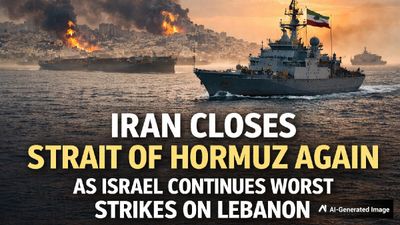 Iran Closes Strait of Hormuz After Israel’s Largest Lebanon Strikes
 -
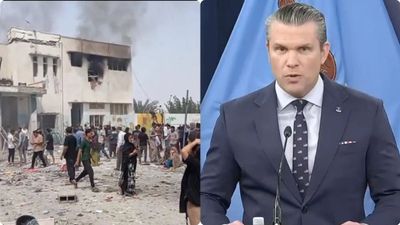 ‘Iran Begged For Ceasefire’: US Defense Secretary Pete Hegseth Calls Operation Epic Fury A Battlefield Victory
 -
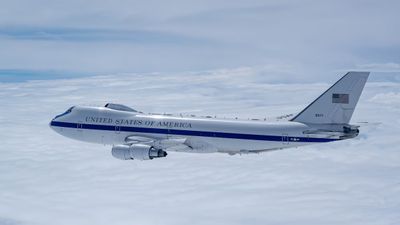 What Is the US ‘Doomsday Plane’? Boeing E-4B Nightwatch Sightings Explained
 -
 ‘Puts Your Life In Danger’: Israel Issues Chilling Farsi Warning To Iranians To Avoid Train Travel
 -
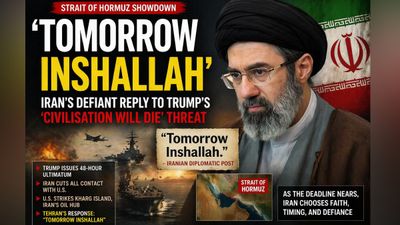 ‘Tomorrow Inshallah’: Iran’s Two-Word Reply to Trump’s ‘Civilisation Will Die’ Warning
 -
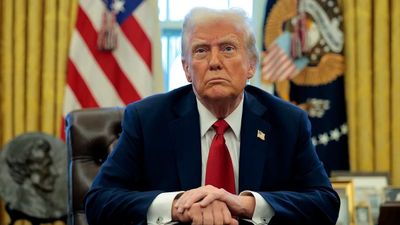 US Iran Nuclear Tension: White House Denies Nuclear Plans Amid Hormuz Crisis
 -
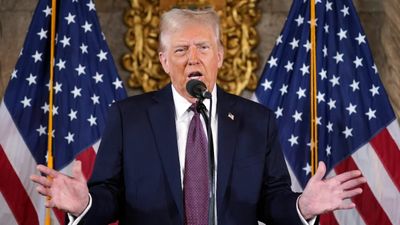 Trump Rules Out Uranium Enrichment In Iran, Says US Open To Tariff And Sanctions Relief
 -
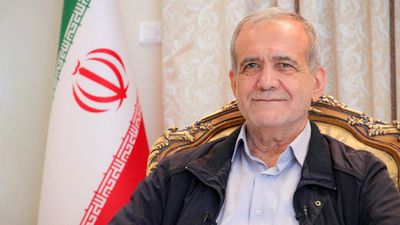 ‘14 million Iranians Ready To Die’: Pezeshkian’s Strong Message Amid Trump Deadline
 -
 Iran-US War: Pete Hegseth Says US Holds Advantage After US–Iran Ceasefire Announcement
 -
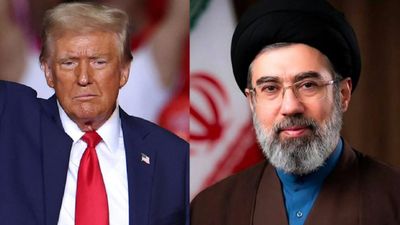 US-Iran War Timeline: From Opening Strikes to Khamenei’s Killing and Ceasefire | Key Events
 -
 Crude Oil Price Today - April 8: Check Prices of Brent, WTI, Urals, ESPO, Murban, and More As Markets Crash
 -
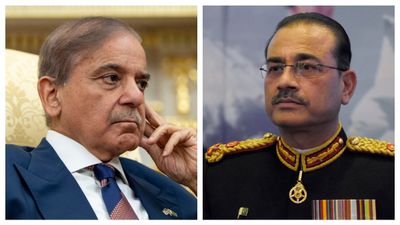 Pakistan Likely To Host US-Iran Talks In Islamabad On Friday





 Click it and Unblock the Notifications
 Sign in with Google