


US Inflation Hits Two-Year High As Iran Conflict Drives Oil Prices Surge, Fuel Costs Ripple Across Economy


Inflation in the United States has climbed to its highest level in nearly two years, raising fresh concerns about rising living costs. The increase is largely linked to a sharp jump in global oil prices following tensions involving Iran, Israel, and the US.

AI-generated summary, reviewed by editors
As energy costs rise, their impact is now spreading across different sectors of the economy.
Inflation Sees Sharp Rise in March
According to data from the US Bureau of Labor Statistics, consumer prices increased by 3.3% year-on-year in March. This is a noticeable jump from 2.4% in February.
The rise marks the fastest increase since 2022, when global inflation surged due to supply disruptions during the Russia-Ukraine War.
Oil Prices Drive the Surge
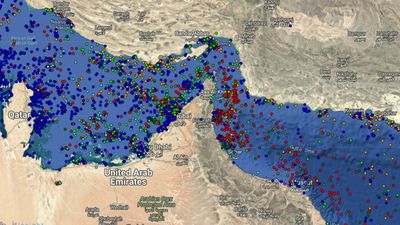
The main reason behind the inflation spike is the sudden rise in fuel prices. Disruptions in the Strait of Hormuz a key route for oil transport- have reduced supply and pushed prices higher.
Petrol prices in the US jumped by more than 21% between February and March, marking the biggest rise since records began in 1967. Fuel oil prices also increased sharply by over 30%, the highest in more than 20 years.
Impact Spreads Across Sectors
The rise in fuel prices is not limited to energy alone. It is now affecting other areas of the economy:
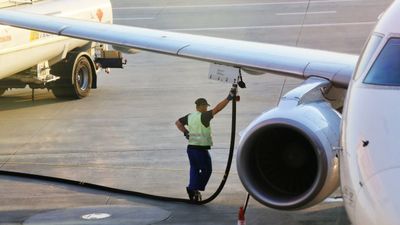
- Airfares have increased due to higher aviation fuel costs
- Clothing prices have gone up because of rising transport and production expenses
- Food prices are stable for now but may rise soon due to higher logistics and fertiliser costs
These changes indicate that energy costs are slowly influencing everyday expenses.
Core Inflation Remains Stable
Despite the overall increase, core inflation- which excludes food and energy prices-remains relatively stable at 2.6%.
This suggests that the current rise is mainly driven by energy costs rather than a widespread increase in prices across all sectors. However, experts warn that if oil prices stay high, inflation could spread further.
The current situation highlights how global conflicts can directly affect domestic economies. If tensions continue and oil supply remains disrupted, inflation may stay elevated.
For now, the US economy is facing a familiar challenge- balancing growth while managing rising prices.
-
 Empty Seats, 168 Lives: Iran’s Stark Reminder Ahead of Islamabad Talks
 -
 US Will Not Allow Iran To Impose Tolls On Strait of Hormuz: Donald Trump
 -
 Global Jet Fuel Price Surge Forces Airlines To Raise Fares And Cut Costs Worldwide
 -
 Crude Oil Price Today - April 10: Brent Crude Slips; Track WTI, Urals, OPEC Basket, Dubai Crude Oil Rates
 -
 Will Iran Impose Tax on Indian Tankers Passing Through the Strait of Hormuz? Here’s What Iran Said
 -
 Russia Renews Offer to Store an’s Enriched Uranium Amid Stalled US Peace Talks
 -
 Opinion: How Pakistan’s Iran ‘Peace Card’ Could Turn Into Anti-India Leverage
 -
 Effigy Of Benjamin Netanyahu Blown Up And Burned In Spain’s El Burgo Festival, Envoy Summoned
 -
 Why Did Trump Announce a Strait of Hormuz Blockade After Failed Iran Talks?
 -
 Iran’s Supreme Leader Mojtaba Khamenei Recovering From Airstrike Injuries, Reportedly Has Disfiguring Wounds
 -
 US-Iran Talks In Pakistan End Without Agreement As Tehran Says Washington Failed To Earn Trust
 -
 ‘We Win Regardless’: Trump Downplays Collapse of Iran Peace Negotiations



 Click it and Unblock the Notifications
 Sign in with Google