


U.S. Confirms 3 Troops Killed as Iran Fires Back With Missiles on Day 2 of Expanding Middle East War


The conflict between the United States, Israel and Iran intensified dramatically on Sunday as the U.S. military confirmed that three American service members were killed during Iranian retaliation, marking the first U.S. combat deaths since the outbreak of hostilities.
The fatalities came less than 48 hours after coordinated U.S.-Israeli airstrikes killed Iran's Supreme Leader, Ali Khamenei, triggering a wave of missile and drone attacks across the region.
AI-generated summary, reviewed by editors

First American Combat Deaths Announced
U.S. Central Command (CENTCOM) said the troops were killed as part of the ongoing campaign dubbed "Operation Epic Fury." Five additional personnel were reported seriously wounded, while several others sustained minor injuries.
Military officials described the situation as fluid and declined to provide operational specifics, citing ongoing combat and the need to notify families.
Iran Launches Widespread Missile Barrages
On the second day of fighting, Iran unleashed multiple rounds of ballistic missiles and armed drones targeting Israeli cities, U.S. installations in Iraq and Gulf states, and military infrastructure believed to support American operations.
Air defense systems intercepted many incoming projectiles, but several struck residential and strategic areas, causing casualties and structural damage. Regional governments confirmed civilian deaths, including foreign nationals working in Gulf countries.
Iran's Revolutionary Guard described the strikes as retaliation for what it called an act of war. Officials in Tehran vowed that further responses would follow if attacks on Iranian territory continued.
Washington and Tehran Trade Warnings
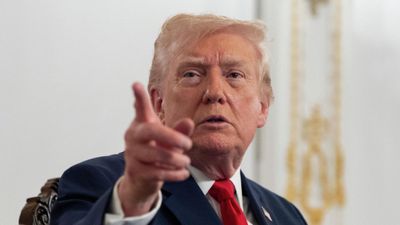
President Donald Trump warned Iran against escalating the conflict further, stating that any additional aggression would be met with overwhelming force. U.S. officials emphasized that current operations are focused on degrading Iran's missile capabilities and protecting American forces.
In Tehran, interim President Masoud Pezeshkian declared that Iran's response would continue "with full strength," as an interim leadership council assumes authority pending the selection of a new supreme leader.
Civilian Impact and Regional Alarm
Israeli emergency services reported missile impacts in populated areas, with fatalities and dozens injured. Gulf states hosting U.S. forces heightened security after intercepting drones and missiles. Shipping lanes in the Persian Gulf also faced new risks after reported drone activity near commercial vessels.
Diplomatic channels were active but strained. Global powers called for restraint, warning that further escalation could destabilize the broader Middle East and disrupt global energy markets.
An Uncertain Path Forward
With missiles still being launched and airstrikes continuing, the confrontation has rapidly evolved into a direct military exchange between Iran and U.S.-Israeli forces. Analysts warn that without swift diplomatic intervention, the conflict could widen further, drawing in additional regional actors.
For now, the confirmed deaths of three American troops signal a dangerous new phase - one in which the costs of escalation are no longer hypothetical, but immediate and deadly.
-
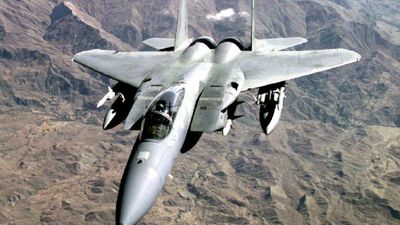 'Behind Enemy Lines' For Real: F15 US Pilot Rescue Unfolds Deep Inside Iran
 -
 Trump Sets Tough Terms For Ceasefire With Iran, Demands Strait Of Hormuz Be “Open, Free, Clear” Amid Conflict
 -
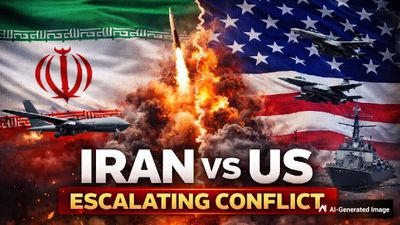 Iran Hits Back at Trump, Threatens Prolonged War
 -
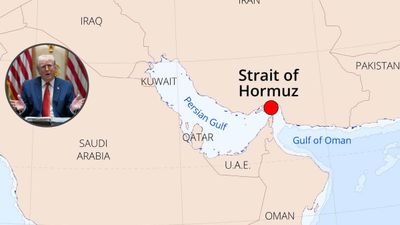 When Will Strait of Hormuz Reopen? Donald Trump’s Iran War Speech Suggests No Quick Relief
 -
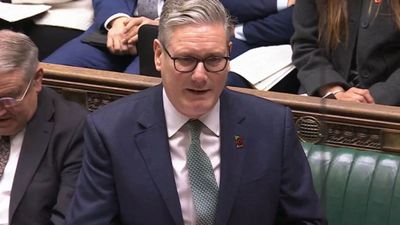 UK To Host 35-Nation Talks To Reopen Strait Of Hormuz Amid Oil Crisis
 -
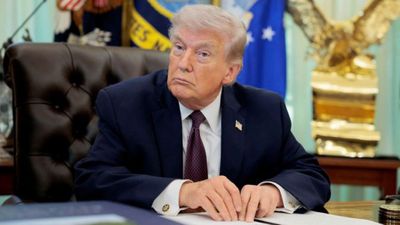 Donald Trump Offers To Buy Oil From The US, Says “We Have Plenty”; Claims Iran War Will “Finish Very Fast'
 -
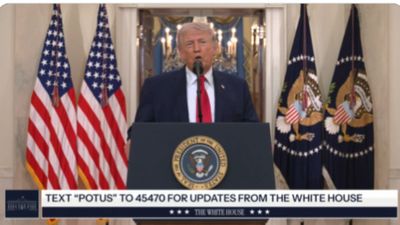 Trump Addresses Nation Amid Iran War, Targets Obama Nuclear Deal, Justifies ‘Operation Epic Fury' , Watch
 -
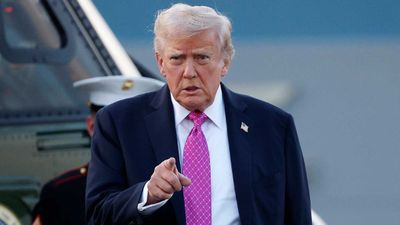 What Is The ‘Stone Age’ Warning Donald Trump Issued To Iran? Says ‘No Deal, No Mercy’
 -
 School Assembly News Headlines Today April 03: Top National, International, Sports, Business News
 -
 Centre Plans ₹2.5 Lakh Crore Credit Shield for Businesses Facing Iran Conflict Fallout
 -
 Will Donald Trump Quit NATO After Iran War Rift? Europe Unites As Alliance Faces Its Biggest Crisis In Decades
 -
 Stock Market Crashes As Sensex Falls Over 1,400 Points After Trump’s Iran War Warning, Oil Prices Surge



 Click it and Unblock the Notifications
 Sign in with Google