


Trump Claims Iran ‘Begging’ For Deal Amid War, Even As Tehran Rejects US Ceasefire Plan
Overview of US and Iran ceasefire talks, competing proposals, and the strategic move to reopen the Strait of Hormuz, with attention to casualties and displacement and the impact on global energy markets.


US President Donald Trump has claimed that Iranian officials are desperate to reach an agreement, even as Trump says Iran’s forces have been “militarily obliterated,” sharpening tensions over how to end the US-Iran war and casting doubt on Tehran’s public stance about ongoing negotiations.

AI-generated summary, reviewed by editors
In a Truth Social post on Thursday, Trump wrote: "The Iranian negotiators are very different and "strange." They are "begging" us to make a deal, which they should be doing since they have been militarily obliterated, with zero chance of a comeback, and yet they publicly state that they are only "looking at our proposal." WRONG!!!" Trump added: "They better get serious soon, before it is too late, because once that happens, there is NO TURNING BACK, and it won't be pretty," after earlier appearing at the National Republican Congressional Committee's annual fundraising dinner in Washington DC, where AFP photographed Trump speaking.
US-Iran war ceasefire plan and competing proposals
The US-Iran war has become harder to resolve as Washington and Tehran send mixed messages about talks. Trump has told supporters several times that a settlement is close. These comments continue even after Iran rejected a 15-point ceasefire plan that United States officials recently circulated to try and halt the conflict.
Iran has instead highlighted its own proposal on state television, framing it as an alternative route to end the US-Iran war. Tehran’s version demands that strikes on Iranian officials stop, seeks firm guarantees against any future war, calls for reparations for conflict damage and insists on recognition of Iran’s control over the Strait of Hormuz.
US-Iran war negotiations, sanctions relief and Strait of Hormuz
Officials who know the United States plan say it links a ceasefire in the US-Iran war with several concessions. The draft includes targeted sanctions relief for Iran, restrictions on Tehran’s nuclear activities, limits on missile programmes and a key aim for Washington and allies, the reopening of the Strait of Hormuz to normal shipping traffic.
The Strait of Hormuz is a crucial sea lane in the US-Iran war calculations, as around one fifth of global oil exports usually move through this passage. Any deal that secures safe transit there would affect both regional security and international energy markets, increasing pressure on both capitals to find common ground.
US-Iran war casualties and regional impact
The US-Iran war has already caused heavy losses in several countries and forced many people from their homes. Fighting and strikes have killed civilians and military personnel, while attacks on infrastructure have deepened the crisis facing local communities across Iran, Lebanon, Israel and other parts of West Asia.
| Country / Group | Reported deaths | Additional impact |
|---|---|---|
| Iran | More than 1,500 | Millions displaced |
| Lebanon | Nearly 1,100 | Millions displaced |
| Israel and elsewhere | Dozens | Ongoing security threat |
| United States military personnel | Thirteen | Heightened political scrutiny |
Despite diplomatic activity around the US-Iran war, missile launches and air raids continue in several areas, with no clear timeline for a ceasefire. The rising death toll, displacement on a large scale and unresolved disagreement over ceasefire terms underline how fragile the situation remains for all sides involved.
-
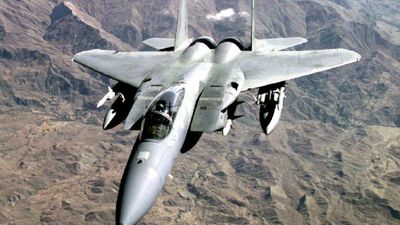 'Behind Enemy Lines' For Real: F15 US Pilot Rescue Unfolds Deep Inside Iran
 -
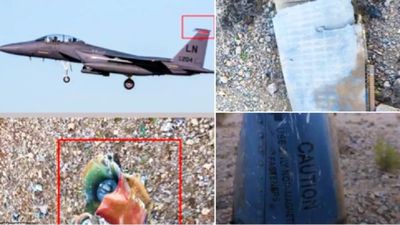 US Air Force’s ‘Swiss Army Knives’ Lead High-Risk Search And Rescue Mission For Missing Pilot In Iran
 -
 US Pilot Reportedly Ejects In Southwest Iran Amid Fresh Iranian Claims Of F-35, F-15E Downing
 -
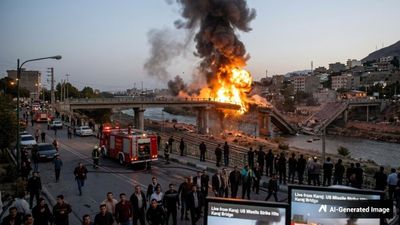 Iran Names 8 Gulf, Jordan Bridges as Possible Targets After Deadly Karaj Strike
 -
 Gold Rate Today in Bangalore, April 4, 2026: IBJA Rates, 22K Gold Prices at Bhima, Abharan, Jos Alukkas, GRT
 -
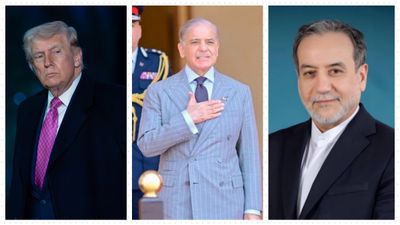 Iran Snubs Pakistan’s Peacemaker Pretensions, Refuses To Meet US Officials In Islamabad
 -
 We’re In War: Donald Trump Says US Aircraft Loss Won’t Derail Iran Talks
 -
 US Confirms Fighter Jet Downed Over Iran, Tehran Announces Reward For Those Who Find Crew
 -
 We're The Only Country To Lose Mariners At Strait of Hormuz: India At UK-led West Asia Meet On Iran Crisis
 -
 ‘Habitual Liars’: PM Targets Congress and Left in Fiery Speech Over Kerala Story, Dhurandhar False Claims
 -
 Has Pakistan Lifted The Ban on Dhurandhar 2? Find Out The Truth
 -
 Centre Plans ₹2.5 Lakh Crore Credit Shield for Businesses Facing Iran Conflict Fallout



 Click it and Unblock the Notifications
 Sign in with Google