


‘Tomorrow Inshallah’: Iran’s Two-Word Reply to Trump’s ‘Civilisation Will Die’ Warning


A stark warning from Donald Trump that "a whole civilisation will die tonight" has been met not with retreat, but with a measured and symbolic response from Iran: "Tomorrow, Inshallah."
The phrase, shared by Iranian diplomatic channels, has quickly become the defining signal of Tehran's stance as the deadline tied to the Strait of Hormuz standoff approaches. Rather than engaging directly with the ultimatum, Iran appears to be projecting patience-and warning that its next move will come on its own timeline.
AI-generated summary, reviewed by editors

While Trump's message emphasised urgency and consequences, including the threat of sweeping military action, Iran's response carried a quieter but layered meaning. "Inshallah," often used to express faith in what lies ahead, in this context reads as both restraint and resolve-suggesting that Tehran is neither backing down nor rushing to act under pressure.
Behind the brief message lies a broader shift. Iranian authorities have stepped away from active diplomatic engagement with the United States, reducing already limited communication channels at a moment when tensions are peaking. The move underscores a strategy that favours controlled escalation over negotiation under deadlines.
The standoff centres on the Strait of Hormuz, a critical artery for global oil movement. Washington has framed its reopening as essential, while Tehran has resisted demands it views as coercive. That divide has now sharpened into a high-stakes countdown.
Military signals have also intensified. Reports of strikes near key Iranian energy infrastructure have added urgency to an already volatile situation, with each side issuing warnings that hint at wider consequences if the confrontation deepens.
Yet it is Iran's choice of words-"Tomorrow Inshallah"-that has drawn the most attention. The phrase leaves room for multiple interpretations: a delayed response, a calculated pause, or even a warning that actions may follow once the deadline passes.
As the clock ticks down, the contrast is striking. On one side, a clear ultimatum backed by the threat of force. On the other, a restrained but deliberate message that shifts focus away from the present moment to what comes next.
-
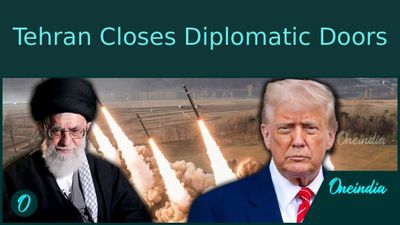 Iran Suspends Diplomatic Channels Ahead of Strait of Hormuz Deadline
 -
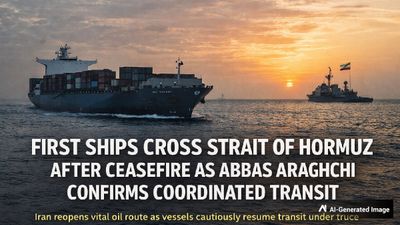 1$ Per Oil Barrel: Iran Proposes Crypto Toll For Tankers As Ships Begin Crossing Strait of Hormuz
 -
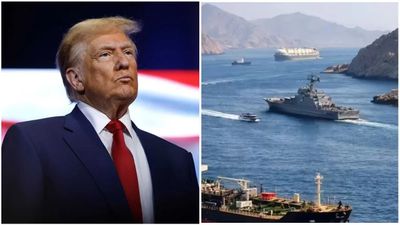 US Launches New Wave Of Strikes On Kharg Island, Iran’s Main Oil Export Hub Targeted
 -
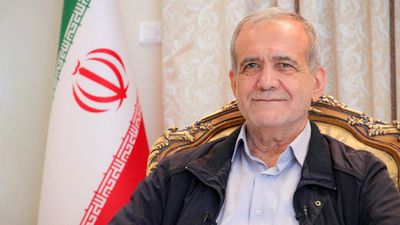 ‘14 million Iranians Ready To Die’: Pezeshkian’s Strong Message Amid Trump Deadline
 -
 Iran-US War: Pete Hegseth Says US Holds Advantage After US–Iran Ceasefire Announcement
 -
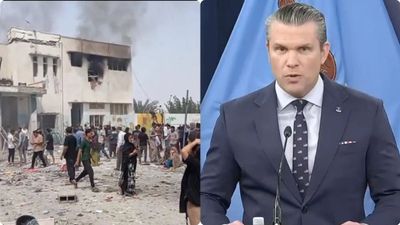 ‘Iran Begged For Ceasefire’: US Defense Secretary Pete Hegseth Calls Operation Epic Fury A Battlefield Victory
 -
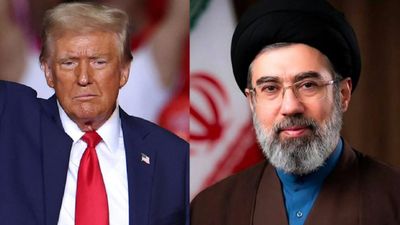 US-Iran War Timeline: From Opening Strikes to Khamenei’s Killing and Ceasefire | Key Events
 -
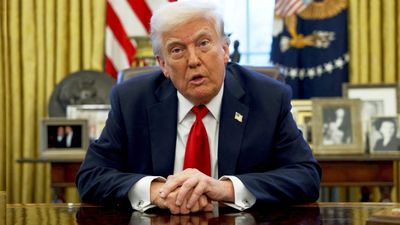 US-Iran Agree To 2-Week Ceasefire As Tehran Declares Victory
 -
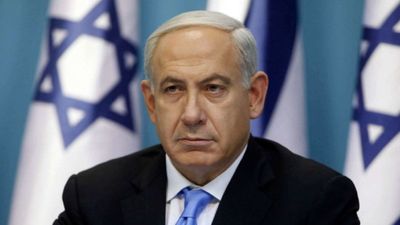 Israel Says US-Iran Ceasefire ‘Does Not Include Lebanon’
 -
 Crude Oil Price Today - April 8: Check Prices of Brent, WTI, Urals, ESPO, Murban, and More As Markets Crash
 -
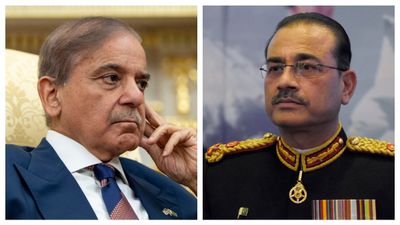 Pakistan Likely To Host US-Iran Talks In Islamabad On Friday
 -
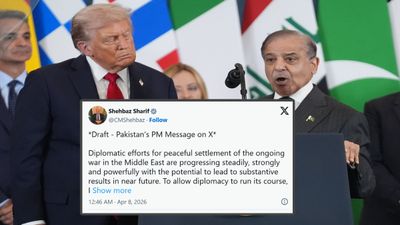 Did US Write Pakistan’s PM Shehbaz Sharif's Tweet To Trump On Iran Ceasefire Talks?





 Click it and Unblock the Notifications
 Sign in with Google