


Strait of Hormuz To Reopen: How Much Damage Did Weeks of Disruption Cause Over Iran-US War?


After nearly six weeks of severe disruption, the Strait of Hormuz is now set to fully reopen under a temporary two-week ceasefire agreement between the United States and Iran, easing immediate fears of a prolonged global energy crisis.
The narrow waterway, through which roughly one-fifth of the world's oil supply passes, had effectively been shut or severely restricted for an estimated 35-40 days, triggering one of the most significant maritime disruptions in recent years.
AI-generated summary, reviewed by editors

A choke point that shook the world
The halt in tanker movement through Hormuz created a "shockwave across global energy and trade systems", with shipping firms suspending operations amid rising security threats and soaring insurance premiums.
Key developments during the disruption included:
- Sharp drop in tanker traffic, with several vessels rerouted or stranded
- Spike in global oil prices, fuelling inflation concerns
- Supply chain bottlenecks, especially in petrochemicals and fertilisers
- Surging maritime insurance costs, making transit economically unviable

According to reports, a significant portion of crude shipments destined for Asian economies, particularly India and China, was directly affected, heightening concerns in energy-import-dependent nations.
Economic fallout measured in billions
The financial impact has been substantial.
- The broader conflict has already cost over $100 billion, according to estimates cited by international media
- Fuel prices in the U.S. crossed $4 per gallon, as noted by Business Insider
- Global markets experienced volatility, with energy stocks surging while logistics sectors struggled
However, reports claim that even with the reopening, supply chain disruptions could continue for months, as backlogs and delayed shipments ripple through global trade networks.
Ceasefire Brings Temporary Relief
The breakthrough came with a two-week "double-sided ceasefire", under which Iran agreed to immediately reopen the Strait.
The agreement followed weeks of escalating tensions and mounting economic pressure on all sides. Within hours of the announcement:
- Oil prices started dropping
- Shipping activity began cautiously resuming
- Markets stabilised, signalling investor relief
Experts suggest the episode highlights the geopolitical significance of Hormuz.
- Vijay Breaks Silence On Divorce With Sangeetha: 'People Around Me Waited...'
- Tamil Nadu Election Result Prediction: Will AIADMK Overpower DMK? JVC Poll Survey Out
- Trisha Says 'Everything Is Meaningless Without Love' Amid Affair Rumours With Thalapathy Vijay
- West Bengal 2026 Elections: Around 90 Lakh Names Removed From Voter List
- Who Is Humayun Kabir? From Mamata’s Aide To Rival, Role In Babri Masjid Construction And Assets Revealed
Rather than direct military confrontation, Iran leveraged its geographic position to exert pressure on global systems. By restricting access to the Strait, it effectively:
- Controlled a vital energy artery of the global economy
- Amplified economic pressure on Western nations
- Forced urgent diplomatic engagement
A fragile reopening
While the Strait is now open, the situation remains precarious.
- The ceasefire is limited to two weeks
- Security risks in the region persist
- Shipping firms remain cautious about full resumption
As global trade cautiously restarts, the crisis has left a lasting impression.
For weeks, a narrow stretch of water dictated the pace of the world economy-demonstrating that in an interconnected age, strategic chokepoints can rival military power in shaping global outcomes.
-
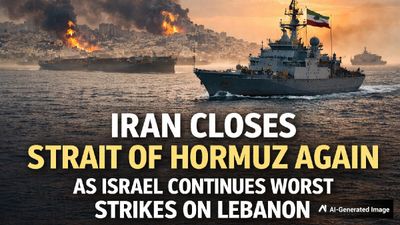 Iran Closes Strait of Hormuz After Israel’s Largest Lebanon Strikes
 -
 ‘Iran Begged For Ceasefire’: US Defense Secretary Pete Hegseth Calls Operation Epic Fury A Battlefield Victory
 -
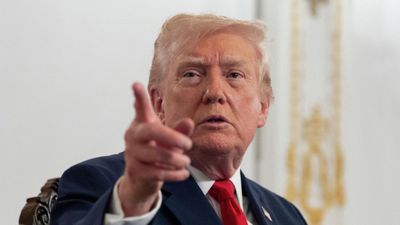 ‘A Whole Civilization Will Die Tonight’: Trump Speaks Out As 48-Hour Ultimatum To Iran Nears End
 -
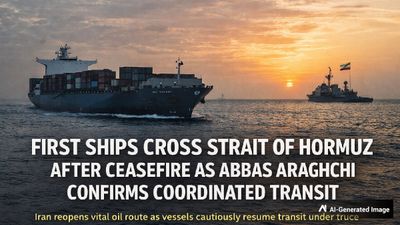 1$ Per Oil Barrel: Iran Proposes Crypto Toll For Tankers As Ships Begin Crossing Strait of Hormuz
 -
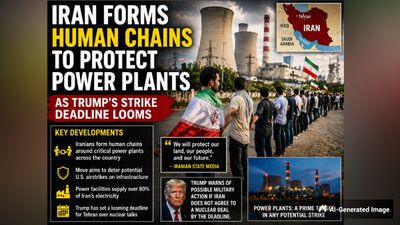 Civilians Form Human Chains as Iran Braces for Possible US Strikes
 -
 ‘14 million Iranians Ready To Die’: Pezeshkian’s Strong Message Amid Trump Deadline
 -
 India Issues Advisory For Citizens In Iran Amid Regional Tensions
 -
 Pakistan's Overnight Diplomacy is Real, But Washington Has Long Memories, Beijing Has Longer Ones
 -
 US-Iran War Timeline: From Opening Strikes to Khamenei’s Killing and Ceasefire | Key Events
 -
 Israel Says US-Iran Ceasefire ‘Does Not Include Lebanon’
 -
 Crude Oil Price Today - April 8: Check Prices of Brent, WTI, Urals, ESPO, Murban, and More As Markets Crash
 -
 US-Iran Agree To 2-Week Ceasefire As Tehran Declares Victory






 Click it and Unblock the Notifications
 Sign in with Google