


Strait of Hormuz Is Not Closed Yet, No Intention To Shut it: Iran Minister In India


Iran has refuted escalating international speculation that the Strait of Hormuz has been indefinitely shut down amid its widening conflict with the United States and Israel.
Speaking at the Raisina Dialogue 2026 in New Delhi on Friday, Iran's Deputy Minister of Foreign Affairs, Dr. Saeed Khatibzadeh, asserted that the critical waterway remains open for now, while keeping the door open for potential future escalation.
AI-generated summary, reviewed by editors

The minister's remarks come against the backdrop of a rapidly intensifying conflict now entering its seventh day. His reassurances stand in stark contrast to bellicose statements issued just a day prior by the Islamic Revolutionary Guard Corps (IRGC).
On Thursday, the IRGC declared that the Strait of Hormuz would be under Tehran's control during wartime, also claiming responsibility for striking a US tanker in the northern Gulf.
Despite Tehran's official denial of a closure, the conflict has effectively paralyzed traffic through the strait, a narrow passageway between the Gulf of Oman and the Persian Gulf that functions as a critical artery for global energy security. According to shipping data, the waterway-through which roughly one-fifth of the world's oil and liquefied natural gas passes-has seen a dramatic collapse in traffic.
Analytics from Vortexa reveal that crude tanker transits plummeted to just four vessels on March 1, the day after hostilities erupted, a staggering drop from the daily average of 24 seen since the start of the year. The disruption has left an estimated 300 oil tankers stranded within the strait, according to data from Vortexa and Kpler. Industry observers note that the few vessels still navigating the route appear to be predominantly Chinese or Iranian-owned.
The halt in maritime activity has sent shockwaves through global energy markets. Oil prices have surged more than 15 percent since the conflict began, driven by immediate supply disruptions and widespread fears of further strikes on critical energy infrastructure. Reports indicate Iran has targeted oil and gas facilities across the Gulf region, as well as vessels attempting to use the waterway.
The geopolitical fallout is expanding rapidly. The conflict has seen Iranian missile strikes reportedly reaching as far afield as Cyprus, Azerbaijan, and Turkey, triggering urgent warnings from major economies regarding surging inflation risks tied to volatile energy prices.
Meanwhile, the United States has granted India a temporary waiver to continue importing Russian crude oil. The 30‑day exemption, announced on Thursday by US Treasury Secretary Scott Bessent, comes as shipping routes through the Strait of Hormuz face severe challenges following escalating conflict in the Gulf.
Bessent said that the waiver is designed to ease immediate supply pressures without significantly benefiting Moscow. "This short‑term measure only authorizes transactions involving oil already stranded at sea. India is a vital partner, and we expect New Delhi to increase purchases of US oil in the future," he said. The move, he added, was intended to counter Iran's attempts to "take global energy hostage."
-
 Iran Hits Back at Trump, Threatens Prolonged War
 -
 What Is The ‘Stone Age’ Warning Donald Trump Issued To Iran? Says ‘No Deal, No Mercy’
 -
 'Behind Enemy Lines' For Real: F15 US Pilot Rescue Unfolds Deep Inside Iran
 -
 US Confirms Fighter Jet Downed Over Iran, Tehran Announces Reward For Those Who Find Crew
 -
 UK To Host 35-Nation Talks To Reopen Strait Of Hormuz Amid Oil Crisis
 -
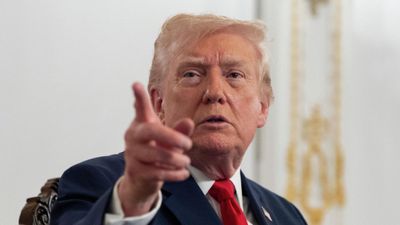 Will Donald Trump Quit NATO After Iran War Rift? Europe Unites As Alliance Faces Its Biggest Crisis In Decades
 -
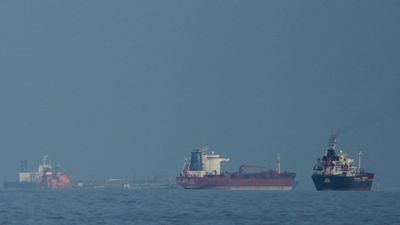 US-Sanctioned Iranian Tanker Diverts from India to China Mid-Voyage
 -
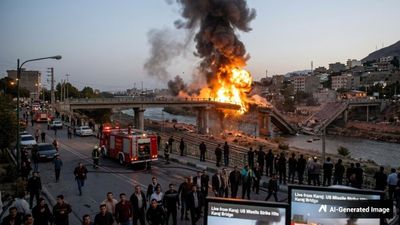 Iran Names 8 Gulf, Jordan Bridges as Possible Targets After Deadly Karaj Strike
 -
 School Assembly News Headlines Today April 03: Top National, International, Sports, Business News
 -
 Stock Market Crashes As Sensex Falls Over 1,400 Points After Trump’s Iran War Warning, Oil Prices Surge
 -
 We're The Only Country To Lose Mariners At Strait of Hormuz: India At UK-led West Asia Meet On Iran Crisis
 -
 Petrol Price India Vs Pakistan: Why Fuel Is Cheaper In India Than Pak Despite Global Crisis



 Click it and Unblock the Notifications
 Sign in with Google