


Saudi Arabia Bars US from Using Its Airspace for Any Strike on Iran


Saudi Arabia has conveyed to Washington that it will not permit the United States to use its airspace for any military action against Iran, as Gulf capitals intensify diplomatic efforts to prevent a wider regional conflict.

AI-generated summary, reviewed by editors
The move reflects growing anxiety across the region about the economic, security and political fallout of a possible escalation involving Tehran.
Gulf states push to block military escalation
According to a report by The Wall Street Journal, Saudi Arabia is spearheading a quiet initiative alongside Qatar and Oman to dissuade the White House from launching strikes on Iran. Riyadh is said to be particularly concerned that an escalation would damage its economy and provoke domestic unrest, especially if Iran's Supreme Leader Ali Khamenei were to be killed.
The report notes that Gulf leaders believe any military confrontation would have unpredictable consequences inside their own countries, making restraint a strategic priority for the region.
Fears over oil routes and energy security
Arab states are also alarmed about the potential impact on global energy supplies. Any attack on Iran could disrupt oil tankers moving through the Strait of Hormuz, a critical shipping route at the mouth of the Gulf that carries about one fifth of the world's oil shipments.
Officials worry that even limited hostilities could unsettle energy markets, raise shipping insurance costs and threaten the security of key infrastructure across the Gulf.
Warning after US alert to allies
The diplomatic push gained urgency after the United States reportedly asked its Gulf partners to prepare for a possible escalation. That message triggered deep concern in regional capitals about the broader consequences, including threats to energy security, the safety of vital facilities and the spillover effects of conflict on their own territories.
Saudi Arabia, Qatar and Oman have told Washington that any attempt to overthrow the Iranian system would destabilise oil markets and ultimately harm the US economy itself.
Riyadh signals neutrality and airspace refusal
Quoting Saudi officials, The Wall Street Journal reported that Riyadh has informed Tehran it "will stay out of any potential conflict" and "will not allow the United States to use its airspace to carry out strikes," a clear signal aimed at avoiding entanglement in a US-led confrontation.
Gulf states have also cautioned Washington against pursuing regime change in Tehran, warning that such a move could destabilise the region. Countries including Saudi Arabia, the UAE and Qatar have warned the US that an attack on Iran could prompt retaliation against Gulf energy infrastructure, shipping lanes and American bases on their soil, raising the risk of a much wider regional conflict.
-
 Trump Signals US Exit from Iran Within Weeks, Shifts Focus from Diplomacy to Military Goals
 -
 UK To Host 35-Nation Talks To Reopen Strait Of Hormuz Amid Oil Crisis
 -
 ‘Iran Wants Ceasefire’: Donald Trump Threatens To Send Tehran ‘Back To The Stone Age’
 -
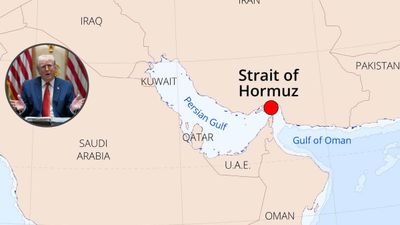 When Will Strait of Hormuz Reopen? Donald Trump’s Iran War Speech Suggests No Quick Relief
 -
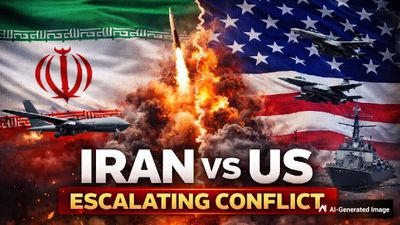 Iran Hits Back at Trump, Threatens Prolonged War
 -
 Stock Market Crashes As Sensex Falls Over 1,400 Points After Trump’s Iran War Warning, Oil Prices Surge
 -
 Trump Sets Tough Terms For Ceasefire With Iran, Demands Strait Of Hormuz Be “Open, Free, Clear” Amid Conflict
 -
 What Is The ‘Stone Age’ Warning Donald Trump Issued To Iran? Says ‘No Deal, No Mercy’
 -
 Donald Trump Offers To Buy Oil From The US, Says “We Have Plenty”; Claims Iran War Will “Finish Very Fast'
 -
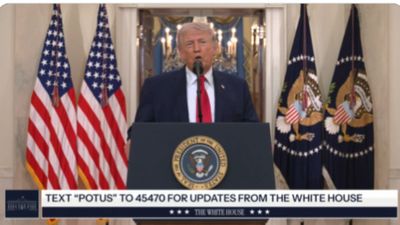 Trump Addresses Nation Amid Iran War, Targets Obama Nuclear Deal, Justifies ‘Operation Epic Fury' , Watch
 -
 Will Donald Trump Quit NATO After Iran War Rift? Europe Unites As Alliance Faces Its Biggest Crisis In Decades
 -
 Trump's Address To Nation: Key Pointers From US President's Speech



 Click it and Unblock the Notifications
 Sign in with Google