


Pakistan Imposes Emergency Conservation And Shifts To Remote Work To Save Fuel
The Strait of Hormuz disruption heightens Pakistan's energy security risks, prompting emergency conservation plans, remote work policies, diversified import routes, and government-led pricing and tender strategies to cushion impact.


Pakistan is bracing for a new fuel crisis as tensions around the Strait of Hormuz rise. The cash-strapped country already faces foreign debt pressure and friction with Afghanistan. Now officials fear any closure of the vital waterway could choke oil supplies and trigger another economic shock.
Concerns have grown as the US-Israel war on Iran unsettles global energy markets and lifts prices. The Shehbaz Sharif government is drafting an emergency conservation plan for the Economic Coordination Committee. Moneycontrol quoted officials saying the authorities want "action without delay" to limit damage if shipments are disrupted.
AI-generated summary, reviewed by editors

Pakistan fuel crisis: Strait of Hormuz threat to oil supplies
The Strait of Hormuz sits at the centre of Pakistan’s worries and wider regional trade. Around a fifth of the world’s oil and liquefied natural gas passes through this narrow channel. Market intelligence firm Kpler estimates that in 2025 about 13 million barrels of crude moved through it daily.
The route also links ships to Dubai’s Jebel Ali port, ranked among the ten biggest container hubs. This port acts as a redistribution centre for more than a dozen countries. Any instability near the Strait of Hormuz can ripple across shipping schedules, freight costs and fuel delivery times.
Pakistan relies heavily on imported petroleum products and on Gulf sea lanes for energy security. Officials tracking cargo flows say diesel supplies from Kuwait, sent under long-term contracts, are especially exposed. Reports indicate some tankers have already faced delays because of security alerts and congestion around the Strait of Hormuz.
Signals from Iran about the Strait of Hormuz have added to unease, though messages are mixed. Iran's Islamic Revolutionary Guard Corps said the waterway is shut to ships from the United States, Israel, Europe and allied states. Yet diplomats in Tehran have publicly rejected talk of a complete, lasting closure.
On Friday, 6 March, Deputy Minister of Foreign Affairs Dr Saeed Khatibzadeh pushed back against closure claims. "We have not yet closed the Strait of Hormuz. If we are going to close it, we are going to announce it… It has not been closed by us. We have no intention to do it until further notice," Dr Saeed Khatibzadeh said.
Shipping and insurance costs have already jumped as companies price in higher conflict risks around the Strait of Hormuz. Officials say insurance on oil cargoes has leapt from about $30,000 to nearly $400,000 per vessel. Premiums charged on refined fuel imports have also moved higher, squeezing Pakistan’s oil marketers and refineries.
| Factor | Before crisis | Early crisis period |
|---|---|---|
| Insurance per oil cargo | About $30,000 | Nearly $400,000 |
| Ship charter rates | Below $4 million | Over $4 million |
| Diesel price gap in Pakistan | Lower, pre-crisis levels | Rs 45-50 per litre higher |
| Petrol price gap in Pakistan | Lower, pre-crisis levels | Rs 25-26 per litre higher |
Authorities say the widening difference between import costs and local pump rates could deepen if trends continue. "The price gap has risen to Rs 45-50 for diesel and around Rs 25-26 for petrol in the first week of the crisis and could grow over the next 15 days, and hence needs to be nipped in the bud," Moneycontrol quoted an official as saying.
Pakistan fuel crisis: Work-from-home and online classes plans
As pressure mounts, Islamabad is preparing to repeat some steps used during the Covid-19 pandemic. According to Dawn, officials are considering a broad work-from-home policy to cut fuel use linked to commuting. Schools and colleges could also shift to online classes if the Pakistan fuel crisis worsens.
The plan being studied would keep only essential staff in many government offices during March. Telecom and IT firms have been asked to explore at least two remote working days each week. The goal is straightforward: reduce fuel consumption quickly without shutting down economic activity across Pakistan.
Alongside behavioural changes, Pakistan is exploring different supply routes and purchase strategies for fuel. Reuters reported that Islamabad has asked Saudi Arabia to help redirect oil through the Red Sea port of Yanbu if the Strait of Hormuz closes. This option is part of a wider contingency plan to keep the Pakistan fuel crisis from escalating.
| Fuel type | Available stocks in Pakistan |
|---|---|
| Petrol and diesel | About 25 days |
| Crude oil | Around 10 days |
| LPG | Roughly 15 days |
Finance Minister Muhammad Aurangzeb recently outlined existing buffer levels for key fuels. According to Muhammad Aurangzeb, Pakistan has petrol and diesel stocks for about 25 days, around 10 days of crude oil reserves, and 15 days of LPG supplies. These cushions are limited if disruptions through the Strait of Hormuz drag on.
Pakistan fuel crisis: PSO tenders and pricing steps
Before any formal rationing, the government has directed Pakistan State Oil to diversify import sources. With cabinet approval, PSO has floated two tenders to buy petrol and diesel from suppliers outside the Strait of Hormuz. Officials describe this as a precaution to maintain flows if shipping lanes tighten further.
The Shehbaz Sharif administration is also weighing short-term fiscal measures to manage the Pakistan fuel crisis. Ideas include weekly adjustments of domestic petroleum prices and compensation mechanisms for oil companies. Authorities argue that more frequent price revisions could deter dealers from hoarding stocks during volatile weeks.
The government says it wants to "keep markets liquid" despite Pakistan’s weak finances and the West Asia conflict. Rising insurance, freight and premium costs, linked to worries around the Strait of Hormuz, have already eroded margins. Dawn reported that oil marketing firms and refineries are feeling mounting strain from this combined cost shock.
Pakistan fuel crisis: Linked to US-Israel-Iran confrontation
The uncertainty facing Pakistan is tied closely to the broader US-Israel confrontation with Iran. Air strikes by the United States and Israel on Iranian targets have continued since late February. Reports put the death toll from the campaign at at least 1,230 people since Saturday, 28 February.
Regional capitals are also drawn into the confrontation while Pakistan watches the fallout for energy supplies. The Israeli military has ordered residents to leave all of Beirut's southern suburbs, an area housing hundreds of thousands. The Israel Defense Forces say Iran has launched new attacks on Israel, while Saudi Arabia, Qatar and Bahrain report intercepting overnight strikes.
Diplomatic tensions around Iran’s future leadership have added another layer to the standoff. According to US President Donald Trump, Mojtaba Khamenei, the son of the slain Iranian Supreme Leader Ali Khamenei, would be an "unacceptable" successor. Senior Iranian official Ali Larijani said the country is prepared and "waiting" for any potential American ground invasion.
Paksitan’s fuel planning now sits at the intersection of these security and economic shocks. Any closure or restriction in the Strait of Hormuz could quickly expose limited reserves and fragile finances. Officials hope that remote working, diversified routes and nimble pricing can cushion Pakistan until tensions ease.
-
 US Pilot Reportedly Ejects In Southwest Iran Amid Fresh Iranian Claims Of F-35, F-15E Downing
 -
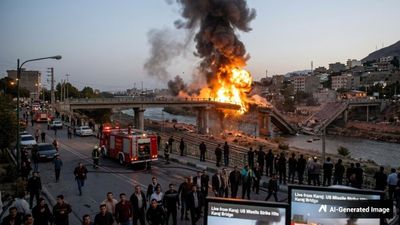 Iran Names 8 Gulf, Jordan Bridges as Possible Targets After Deadly Karaj Strike
 -
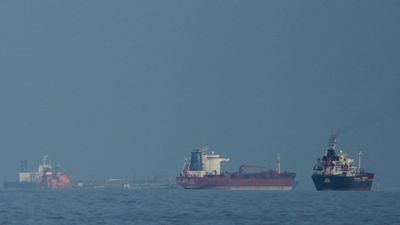 US-Sanctioned Iranian Tanker Diverts from India to China Mid-Voyage
 -
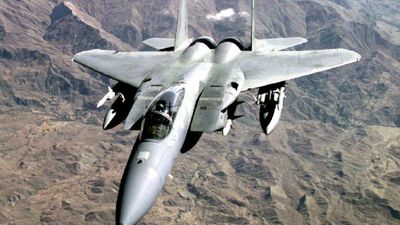 'Behind Enemy Lines' For Real: F15 US Pilot Rescue Unfolds Deep Inside Iran
 -
 Trump Sets Tough Terms For Ceasefire With Iran, Demands Strait Of Hormuz Be “Open, Free, Clear” Amid Conflict
 -
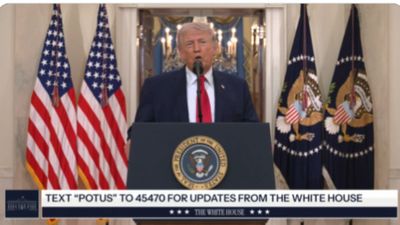 Trump Addresses Nation Amid Iran War, Targets Obama Nuclear Deal, Justifies ‘Operation Epic Fury' , Watch
 -
 What Is The ‘Stone Age’ Warning Donald Trump Issued To Iran? Says ‘No Deal, No Mercy’
 -
 We're The Only Country To Lose Mariners At Strait of Hormuz: India At UK-led West Asia Meet On Iran Crisis
 -
 Centre Plans ₹2.5 Lakh Crore Credit Shield for Businesses Facing Iran Conflict Fallout
 -
 Indian Navy Was Minutes Away From Striking Pakistan From Sea During Op Sindoor: Navy Chief
 -
 Will Donald Trump Quit NATO After Iran War Rift? Europe Unites As Alliance Faces Its Biggest Crisis In Decades
 -
 Stock Market Crashes As Sensex Falls Over 1,400 Points After Trump’s Iran War Warning, Oil Prices Surge



 Click it and Unblock the Notifications
 Sign in with Google