


Mediation Claim Falls Flat as Iran Stops Pakistan-Bound Ship at Hormuz


Amid the ongoing conflict in West Asia, Iran has tightened its control over the strategically important Strait of Hormuz by turning back a container vessel that was heading toward Karachi.
Iranian authorities said the ship attempted to pass through the strait without securing the necessary permission from the country's maritime authorities. As a result, the Islamic Revolutionary Guard Corps (IRGC) Navy intervened and ordered the vessel to reverse course.
AI-generated summary, reviewed by editors
Officials stressed that any vessel intending to travel through the narrow waterway must first coordinate with Iranian authorities and follow established legal procedures. The move reflects Tehran's increasingly assertive stance over the vital shipping route.

The ship involved in the incident, the container vessel SELEN, is a small feeder ship sailing under the flag of St. Kitts and Nevis and operated by a Dubai-based shipping firm. It was reportedly on its way to Karachi when it was stopped and turned back.
Iranian naval chief Alireza Tangsiri confirmed the action, saying the ship had failed to obtain the necessary clearance before entering the strait. He emphasised that vessels must now coordinate their transit with Iranian maritime authorities before passing through the region.
Meanwhile, Iranian lawmaker Alaeddin Boroujerdi described the move as part of what he called a new approach to managing the strait, suggesting that Iran is asserting greater control over traffic passing through the waterway.
The Strait of Hormuz is one of the world's most critical maritime chokepoints, with nearly one-fifth of global oil and gas shipments passing through it. Any disruption in the area has the potential to affect energy markets and international trade.
The incident comes amid rising tensions involving Donald Trump, who recently extended a deadline for Iran to reopen the strait and indicated that military action against Iranian energy infrastructure had been temporarily put on hold.
Trump also claimed that discussions between Washington and Tehran were ongoing and could lead to a resolution of the conflict. However, Iranian officials have rejected those claims and denied that any negotiations are taking place.
At the same time, Tehran has warned that any military strike against its energy facilities could trigger retaliation in the region, including potential actions in the Persian Gulf.
The broader conflict has already taken a heavy human toll, with thousands reported dead across several countries and millions forced to flee their homes as the crisis deepens across West Asia.
-
 Iran Shoots Down Second US F-35 Fighter Jet, Pilot Survival Unlikely
 -
 US Pilot Reportedly Ejects In Southwest Iran Amid Fresh Iranian Claims Of F-35, F-15E Downing
 -
 We’re In War: Donald Trump Says US Aircraft Loss Won’t Derail Iran Talks
 -
 'Behind Enemy Lines' For Real: F15 US Pilot Rescue Unfolds Deep Inside Iran
 -
 ‘Habitual Liars’: PM Targets Congress and Left in Fiery Speech Over Kerala Story, Dhurandhar False Claims
 -
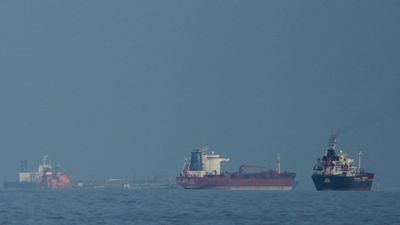 US-Sanctioned Iranian Tanker Diverts from India to China Mid-Voyage
 -
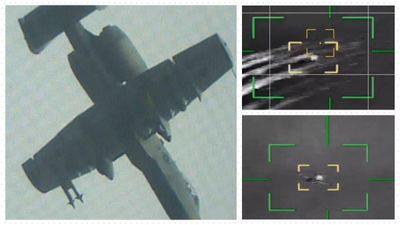 How Iran Brought Down US Military A-10 ‘Warthog’: IRGC Releases Video
 -
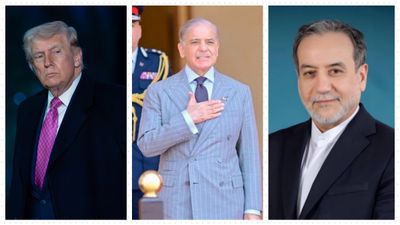 Iran Snubs Pakistan’s Peacemaker Pretensions, Refuses To Meet US Officials In Islamabad
 -
 We're The Only Country To Lose Mariners At Strait of Hormuz: India At UK-led West Asia Meet On Iran Crisis
 -
 Has Pakistan Lifted The Ban on Dhurandhar 2? Find Out The Truth
 -
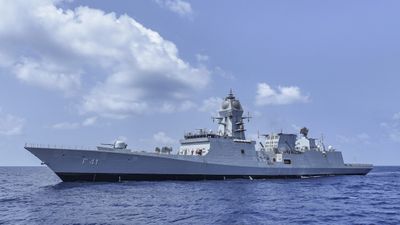 INS Taragiri To Join Indian Navy Fleet, Boosting Maritime Power
 -
 Centre Plans ₹2.5 Lakh Crore Credit Shield for Businesses Facing Iran Conflict Fallout



 Click it and Unblock the Notifications
 Sign in with Google