


Israel Says US-Iran Ceasefire ‘Does Not Include Lebanon’
The article reports a two-week ceasefire arrangement between the United States and Iran, brokered with Pakistan's mediation, and its implications for regional security, the Strait of Hormuz, and the ongoing Lebanon conflict. It covers positions of Tehran, Washington, Israel, and the broader diplomatic goals.


Israel is backing the two-week halt in US strikes on Iran announced by President Donald Trump, but Prime Minister Benjamin Netanyahu's office said the arrangement does not extend to Lebanon. The office stressed that Israel supports the pause on attacks as long as Tehran reopens the Strait of Hormuz and stops targeting the United States, Israel and regional states.
The suspension follows Washington's decision to seek de-escalation and allow talks with Tehran, while Trump avoided immediately carrying out threats to "obliterate Iran's power grid and bridges". The US president accepted a proposal mediated by Pakistan that offers a two-week ceasefire, during which both sides aim to explore a broader peace deal and reopen the key shipping route.
AI-generated summary, reviewed by editors

Ceasefire with Iran and Strait of Hormuz control
Under the proposal, the Strait of Hormuz, through which about a fifth of global energy shipments pass in peacetime, is meant to reopen. Iranian foreign minister Abbas Araghchi said Tehran would suspend its "defensive operation" for the same two-week period if the US and Israel stop their strikes. Araghchi said the Iranian military would organise safe vessel movement while insisting that "Iran's Armed Forces" keep control.

Tehran framed the arrangement as a success in the conflict that began after joint US-Israeli strikes on 28 February. Iran's Supreme National Security Council stated that Washington accepted a 10-point plan, which includes lifting primary and secondary sanctions and recognising its nuclear enrichment. The statement said the ceasefire formula requires "continued Iranian control over the Strait of Hormuz, acceptance of enrichment, and lifting of all primary and secondary sanctions".
Ceasefire with Iran, Israel's position and US assurances
Netanyahu's office said Israel supports US efforts to ensure Iran no longer poses a nuclear, missile or "terror" threat to the US, Israel and Arab neighbours. According to the statement, Washington assured Israel that these joint aims remain central in upcoming negotiations. The ceasefire covering Iran runs for two weeks, matching the period agreed between Washington and Tehran.
Two White House officials said Israel had agreed to the two-week pause and would stop bombing Iran during that window. However, Pakistan's Prime Minister Shehbaz Sharif, who helped broker the talks, wrote on X that the understanding also covered Israeli operations in Lebanon. Netanyahu's office contradicted that description, saying the ceasefire terms apply only to Iran, not to Lebanon.
- Vijay Breaks Silence On Divorce With Sangeetha: 'People Around Me Waited...'
- Tamil Nadu Election Result Prediction: Will AIADMK Overpower DMK? JVC Poll Survey Out
- West Bengal 2026 Elections: Around 90 Lakh Names Removed From Voter List
- Who Is Humayun Kabir? From Mamata’s Aide To Rival, Role In Babri Masjid Construction And Assets Revealed
- Is UDF Set To Win Kerala? Latest Poll Tracker Shows Clear Lead Over LDF
Ceasefire with Iran and Lebanon war impact
The Israeli campaign in Lebanon has already killed at least 1,500 people and displaced around 1.2 million. Lebanon became drawn into the wider Middle East conflict when Hezbollah launched rockets at Israel in support of Tehran, two days after Iran was hit by Israeli and US strikes. Those rocket attacks triggered a new Israeli ground and air offensive across Lebanese territory.
Iran's 10-point proposal, relayed through mediators in Pakistan, demands more than a temporary halt. Tehran wants US forces withdrawn from the Middle East, an end to attacks on Iran and allied groups, and the release of frozen Iranian funds. Another element is a United Nations Security Council resolution, intended to make any final agreement binding on the parties.

Ceasefire with Iran, talks timetable and negotiation goals
Iran said discussions with the United States are scheduled to start on Friday, 10 April, in Islamabad. During the two-week ceasefire, Tehran and Washington are expected to test whether the pause in strikes can support a longer-term deal. For now, Israel aligns with the US pause against Iran while continuing its Lebanon campaign, and all sides claim their core demands remain unchanged.
With inputs from agencies
-
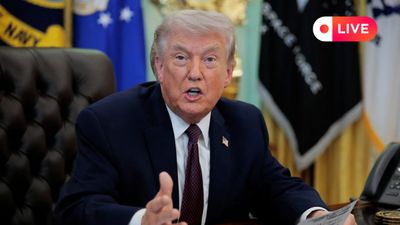 Donald Trump's Address On Iran War: Trump Threatens To Wipe Out Iran In One Day, Briefs On Rescue Operation
 -
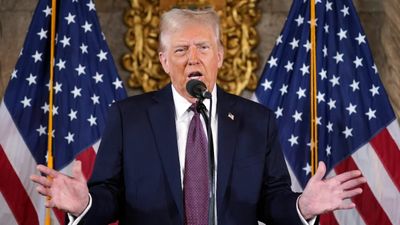 Trump Rules Out Uranium Enrichment In Iran, Says US Open To Tariff And Sanctions Relief
 -
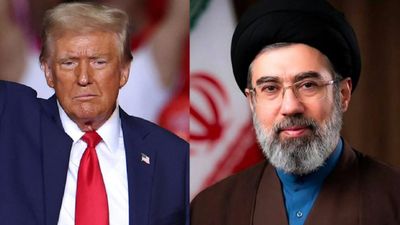 US-Iran War Timeline: From Opening Strikes to Khamenei’s Killing and Ceasefire | Key Events
 -
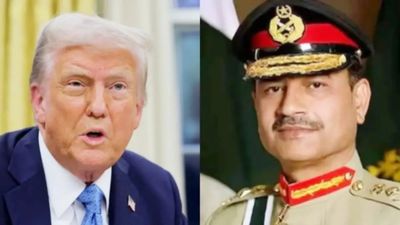 Pakistan's Overnight Diplomacy is Real, But Washington Has Long Memories, Beijing Has Longer Ones
 -
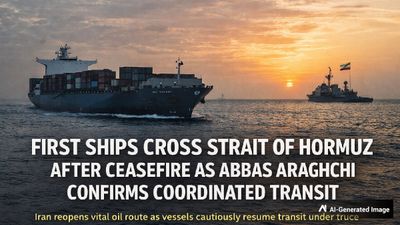 1$ Per Oil Barrel: Iran Proposes Crypto Toll For Tankers As Ships Begin Crossing Strait of Hormuz
 -
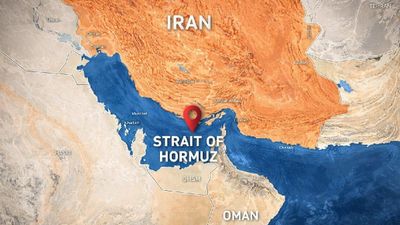 Oman Rejects Iran’s Hormuz Toll Proposal, Says No Transit Fees Can Be Imposed On Global Shipping Route
 -
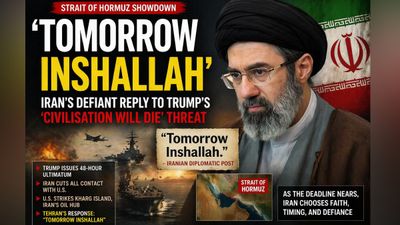 ‘Tomorrow Inshallah’: Iran’s Two-Word Reply to Trump’s ‘Civilisation Will Die’ Warning
 -
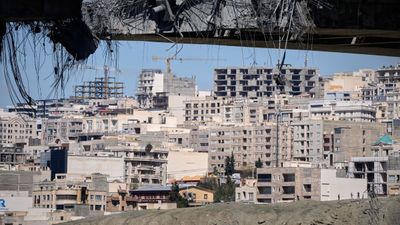 Iran-US War To End Soon? 45-day Ceasefire Proposal Pushed By Mediators
 -
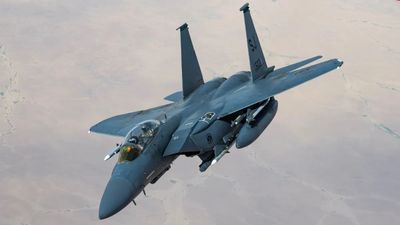 Dramatic US Operation In Iran: Two Airmen Rescued After F-15E Crash, Military Blows Up Its Own Planes
 -
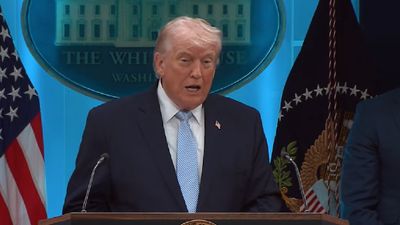 Donald Trump Issues Stark Warning: Entire Iran Could Be Taken in a Single Night
 -
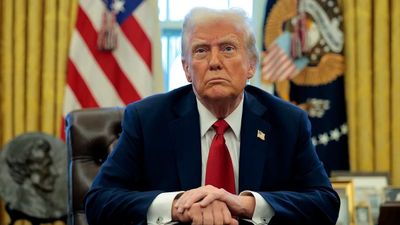 US Iran Nuclear Tension: White House Denies Nuclear Plans Amid Hormuz Crisis
 -
 ‘Puts Your Life In Danger’: Israel Issues Chilling Farsi Warning To Iranians To Avoid Train Travel



 Click it and Unblock the Notifications
 Sign in with Google