


Iran vs US-Israel War Halted? Breakthrough or Breather Before a Bigger Conflict


A sudden decision by Donald Trump to halt planned US strikes on Iran for five days has created a rare pause in a rapidly escalating crisis. While the move has raised hopes of diplomacy, it has also triggered questions: is this the start of de-escalation, or simply a temporary pause before a larger confrontation?
What exactly has been paused?
AI-generated summary, reviewed by editors
The United States has put on hold its planned military action targeting Iran's energy infrastructure-particularly power plants and related facilities. These strikes were part of a broader strategy to pressure Tehran amid rising tensions over maritime access and regional security.

Trump said the pause followed "detailed and constructive" discussions with Iran and made it clear that the suspension is conditional. If talks fail, military action remains on the table.
What led to this point?
The pause comes after weeks of escalating rhetoric and military activity tied to the Strait of Hormuz-a narrow but critical route through which a significant share of the world's oil and gas supplies flows.
- Iran restricted movement through the Strait
- The US issued a strong ultimatum demanding it be reopened
- Washington warned of strikes on Iranian energy sites
- Tehran responded with threats of region-wide retaliation
This cycle of threats pushed both sides to the brink of direct confrontation.
Why the Strait of Hormuz is central
The Strait is not just a regional issue-it is a global economic lifeline. Any disruption here has immediate worldwide consequences.
- A large portion of global oil shipments passes through it
- Even partial closures can spike fuel prices
- Countries across Asia and Europe depend heavily on this route
The standoff has already led to restricted tanker movement, increased insurance costs, and volatility in global energy markets.
How Iran has responded
Iran has adopted a firm and layered response strategy:
- Warning that any US strike will trigger retaliation beyond its borders
- Indicating that energy infrastructure in countries hosting US forces could be targeted
- Linking the reopening of the Strait to its own security guarantees
Some Iranian officials have portrayed the US pause as a response to these warnings, rather than a goodwill gesture.
What's happening on the ground?
Despite the pause in planned US strikes, the broader conflict remains active:
- Continued missile exchanges between Iran and Israel
- Air and drone strikes reported in multiple locations
- Rising tensions in Gulf countries hosting US military assets
- Increased activity by allied groups such as Hezbollah
This means the region is still in a high-risk, active conflict phase, even as talks continue.
Impact on global markets
The announcement of the pause triggered immediate reactions:
- Oil prices, which had surged amid fears of disruption, dropped sharply
- Gas prices followed a similar downward trend
- Stock markets recovered from earlier losses
This highlights how closely global markets track geopolitical developments in the region.
What are the strategic interpretations?
1. A diplomatic opening
The pause could build momentum for negotiations
It may signal willingness on both sides to avoid escalation
A longer ceasefire or agreement could emerge
2. A tactical pause
The US retains the option to strike after five days
Military assets remain in place
The pause may be aimed at gaining leverage in negotiations
What happens next?
If talks succeed
The pause could be extended
Tensions around the Strait of Hormuz may ease
Energy markets could stabilise
If talks fail
US strikes on Iranian infrastructure could resume
Iran may retaliate across multiple fronts
The conflict could widen to include more regional players
Why the next few days are critical
The five-day window is not a resolution-it is a decision point. It represents a fragile overlap of diplomacy and military pressure, where both sides are testing outcomes without fully stepping back.
The direction taken after this pause-towards dialogue or escalation-will shape not only US-Iran relations but also global energy stability and regional security.
Bottom line
The pause announced by Donald Trump offers a brief opportunity for diplomacy, but it comes against the backdrop of ongoing conflict and deep mistrust.
Whether it leads to a breakthrough or a more intense phase of confrontation will depend on what unfolds during these five crucial days.
-
 We’re In War: Donald Trump Says US Aircraft Loss Won’t Derail Iran Talks
 -
 Iran Shoots Down Second US F-35 Fighter Jet, Pilot Survival Unlikely
 -
 UK To Host 35-Nation Talks To Reopen Strait Of Hormuz Amid Oil Crisis
 -
 What Is The ‘Stone Age’ Warning Donald Trump Issued To Iran? Says ‘No Deal, No Mercy’
 -
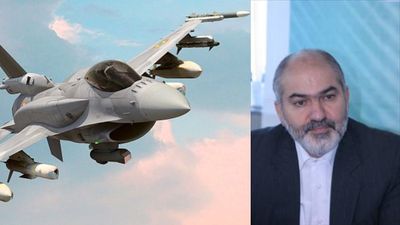 US Confirms Fighter Jet Downed Over Iran, Tehran Announces Reward For Those Who Find Crew
 -
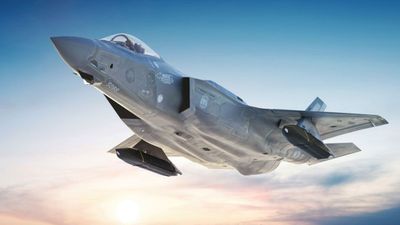 US Pilot Reportedly Ejects In Southwest Iran Amid Fresh Iranian Claims Of F-35, F-15E Downing
 -
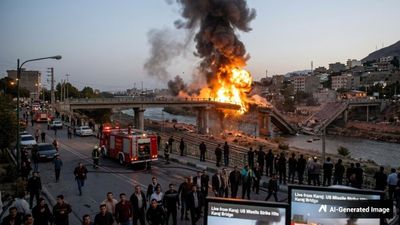 Iran Names 8 Gulf, Jordan Bridges as Possible Targets After Deadly Karaj Strike
 -
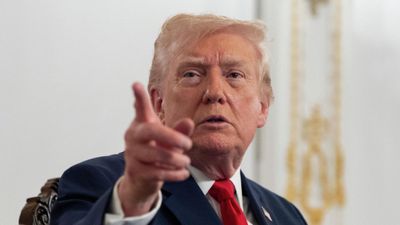 Will Donald Trump Quit NATO After Iran War Rift? Europe Unites As Alliance Faces Its Biggest Crisis In Decades
 -
 School Assembly News Headlines Today April 03: Top National, International, Sports, Business News
 -
 INS Taragiri To Join Indian Navy Fleet, Boosting Maritime Power
 -
 We're The Only Country To Lose Mariners At Strait of Hormuz: India At UK-led West Asia Meet On Iran Crisis
 -
 Petrol Price India Vs Pakistan: Why Fuel Is Cheaper In India Than Pak Despite Global Crisis



 Click it and Unblock the Notifications
 Sign in with Google