


Iran–US War: How Many Aircraft Have The Americans Lost So Far?


Since the outbreak of war between the United States and Iran, the American military has suffered significant losses in the air. Reports suggest that at least 16 aircraft have been destroyed, including 10 MQ-9 Reaper drones and six manned planes. The majority of these losses have been attributed to Iranian defensive fire, accidents, and even friendly fire incidents.
Drone Losses
AI-generated summary, reviewed by editors
The Reaper drones, which are uncrewed strike aircraft, have borne the brunt of Iranian attacks. At least nine were shot down in the air, while one was destroyed on the ground in Jordan by a ballistic missile. Two others were lost in accidents. These losses highlight the vulnerability of drones in contested airspace, particularly when attempting to operate near heavily defended zones such as the Strait of Hormuz.

Manned Aircraft Incidents
The toll has not been limited to drones. Three US F-15 fighter jets were mistakenly downed by friendly fire in Kuwait. In another tragic incident, a KC-135 tanker aircraft was destroyed during a refuelling operation in Iraq, killing all six crew members. Additionally, five KC-135s were damaged in Saudi Arabia after an Iranian missile strike on an airfield.
The scale of losses is striking when compared to previous US military operations. During the 2011 intervention in Libya, only three combat aircraft were reported lost over four months, one of which was a drone. The current conflict has already exceeded that figure within weeks, underscoring the intensity of Iranian resistance.
Despite early US and Israeli strikes targeting Iranian air defence systems, Tehran has managed to maintain a formidable shield. This has prevented Washington from achieving full air supremacy. Iran has also expanded its retaliatory strikes to Gulf neighbours, hitting energy facilities in Qatar and Saudi Arabia in response to attacks on its South Pars gas field.
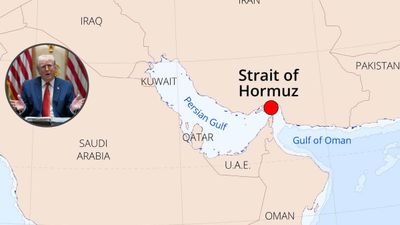
The conflict has reached a critical stage with Iran's unprecedented move to block the Strait of Hormuz. This strategic waterway, through which nearly 20% of the world's oil and liquefied natural gas passes, has been sealed off. The blockade has driven crude oil prices above $100 per barrel and disrupted global energy supplies. The US has struggled to assemble a naval coalition to escort vessels through the strait, highlighting the political and logistical challenges of securing the chokepoint.
In one notable incident, a US F-35 stealth fighter was forced to make an emergency landing after being struck by suspected Iranian fire. Fortunately, the pilot survived and is in stable condition. Meanwhile, the Reaper drone shootdowns have demonstrated the difficulty of maintaining aerial operations in contested zones. Houthi fighters in Yemen have also downed several Reapers, adding another layer of complexity to US operations.
Although US officials claim that Iranian attacks have declined by 90% since the war began, the overall trajectory points to escalation. Iran continues to target Israel and Gulf states, while the blockade of Hormuz has created a global energy crisis.
For India, which relies heavily on Gulf energy imports, the situation is particularly concerning. Rising oil prices and disrupted supply chains could have direct economic consequences, making the conflict not just a regional issue but a global one.
-
 Trump's Address To Nation: Key Pointers From US President's Speech
 -
 Iran Snubs Pakistan’s Peacemaker Pretensions, Refuses To Meet US Officials In Islamabad
 -
 When Will Strait of Hormuz Reopen? Donald Trump’s Iran War Speech Suggests No Quick Relief
 -
 Trump Addresses Nation Amid Iran War, Targets Obama Nuclear Deal, Justifies ‘Operation Epic Fury' , Watch
 -
 Donald Trump Offers To Buy Oil From The US, Says “We Have Plenty”; Claims Iran War Will “Finish Very Fast'
 -
 What Is The ‘Stone Age’ Warning Donald Trump Issued To Iran? Says ‘No Deal, No Mercy’
 -
 NASA Successfully Launches Artemis II: Know All About First Crewed Moon Mission In 50 Years
 -
 US Confirms Fighter Jet Downed Over Iran, Tehran Announces Reward For Those Who Find Crew
 -
 School Assembly News Headlines Today April 03: Top National, International, Sports, Business News
 -
 Stock Market Crashes As Sensex Falls Over 1,400 Points After Trump’s Iran War Warning, Oil Prices Surge
 -
 Centre Plans ₹2.5 Lakh Crore Credit Shield for Businesses Facing Iran Conflict Fallout
 -
 Petrol Price India Vs Pakistan: Why Fuel Is Cheaper In India Than Pak Despite Global Crisis



 Click it and Unblock the Notifications
 Sign in with Google