


Iran-U.S Ceasefire: It Is Alive, But Very Shaky; Will It Hold?


As of now, this looks less like a solid peace deal and more like a temporary, conditional pause. The U.S., Iran and Israel have agreed to a two-week ceasefire, but the underlying disputes that triggered the conflict are not resolved - especially over Iran's nuclear programme, missile capabilities, sanctions and control of the Strait of Hormuz. Reports say the two sides are still "far apart" on the terms of any permanent settlement.

AI-generated summary, reviewed by editors
The biggest sign of fragility is disagreement over what the ceasefire actually covers. Pakistan, which helped mediate, initially said Lebanon was included. But Israel and the U.S. said Lebanon was not covered, and Israeli strikes on Lebanon continued, resulting in heavy casualties. Iran is treating those strikes as a serious breach, and its officials have said that under such conditions, talks on a permanent peace deal become "unreasonable."

Trump's latest message also suggests Washington sees this as a coercive holding pattern, not a settled peace. He said U.S. military forces will remain deployed "in and around Iran" until the "real agreement" is fully complied with, tying that to two core demands: no nuclear weapons and an open, safe Strait of Hormuz. That means the U.S. is signaling deterrence first, diplomacy second.

Still, diplomacy has not collapsed. An Iranian delegation is arriving in Islamabad for talks, which means both sides are still keeping a negotiating channel open. That is the main reason the ceasefire has not fully broken down yet.
Markets are reading it the same way: at first, oil fell sharply on the ceasefire news, but then prices rose back toward the upper-90s USD per barrel, as traders questioned whether the truce would hold and whether Hormuz would truly reopen normally. That rebound is a sign of low confidence in the ceasefire's durability.
Bottom line
There is a ceasefire on paper, but it is fragile, conditional and already under strain. Right now, it looks more like a short tactical pause before hard bargaining, than a stable peace.
-
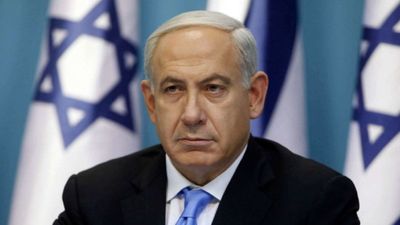 Israel Says US-Iran Ceasefire ‘Does Not Include Lebanon’
 -
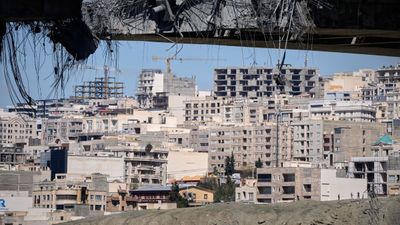 Iran-US War To End Soon? 45-day Ceasefire Proposal Pushed By Mediators
 -
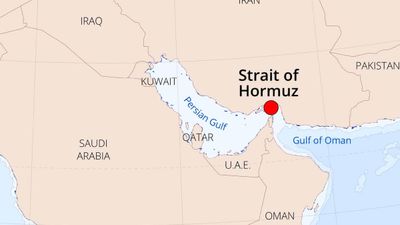 Strait of Hormuz To Reopen: How Much Damage Did Weeks of Disruption Cause Over Iran-US War?
 -
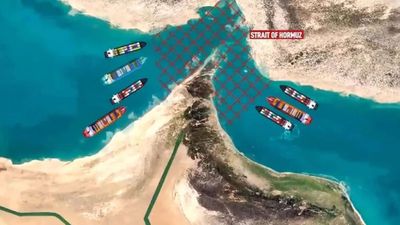 Iran Refuses To Reopen Strait Of Hormuz Under Temporary Ceasefire As US Tensions Rise
 -
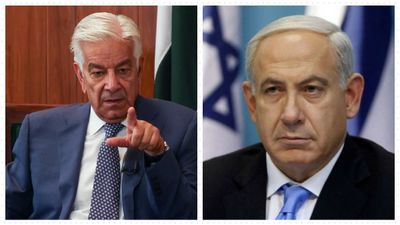 Israel Blasts Pakistan Minister's 'Annihilation' Remark Ahead of Iran-US Talks In Islamabad
 -
 Gold Rate Today Bangalore: April 8 IBJA Benchmark vs. 22k Gold Prices at Tanishq, GRT, Jos Alukkas
 -
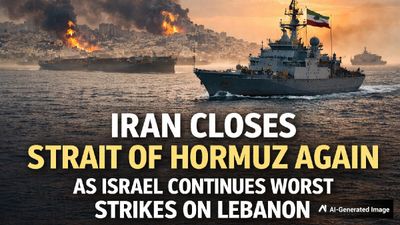 Iran Closes Strait of Hormuz After Israel’s Largest Lebanon Strikes
 -
 Inside The Iran-Russia-China Weapons Axis That Trump's 50% Tariffs or Sanctions Can't Break
 -
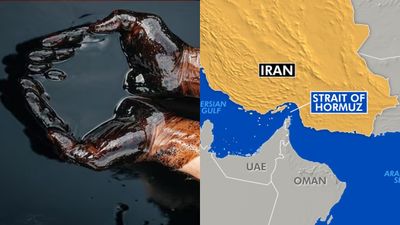 How Much Will Iran Charge Shipping Firms To Let Oil Tankers Cross The Strait Of Hormuz?
 -
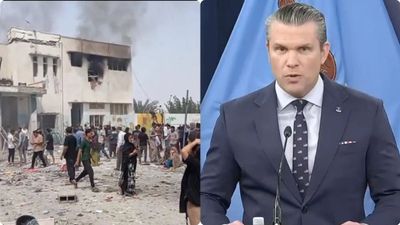 ‘Iran Begged For Ceasefire’: US Defense Secretary Pete Hegseth Calls Operation Epic Fury A Battlefield Victory
 -
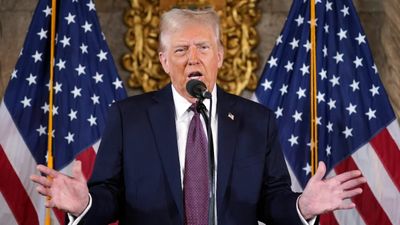 Trump Rules Out Uranium Enrichment In Iran, Says US Open To Tariff And Sanctions Relief
 -
 Iran-US War: Pete Hegseth Says US Holds Advantage After US–Iran Ceasefire Announcement



 Click it and Unblock the Notifications
 Sign in with Google