


Iran Struggles To Reopen Strait Of Hormuz As It Lost Track Of Sea Mines; Threaten Global Shipping Routes


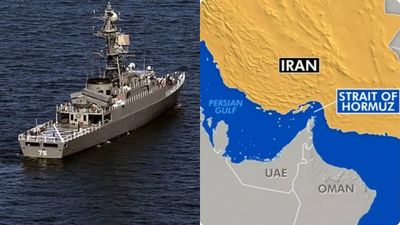
Tensions in the Middle East have taken a new turn as Iran faces difficulty in fully reopening the Strait of Hormuz. Reports suggest that the country is unable to locate all the sea mines it had placed in the waterway during recent conflicts.

AI-generated summary, reviewed by editors
This situation has raised serious concerns for global shipping and ongoing diplomatic talks with the United States.
A Self-Created Challenge
According to reports, Iran had laid sea mines in the strait using small boats to block ship movement during rising tensions. These actions followed joint airstrikes by the US and Israel amid disagreements over nuclear issues.
However, officials now believe that Iran may not have properly recorded where all the mines were placed. Some of the mines were also designed to drift, making them even harder to track.
As a result, clearing the waterway has become a risky and complicated task.
Why the Strait of Hormuz Matters
The Strait of Hormuz is one of the most important shipping routes in the world. It connects the Persian Gulf to the Gulf of Oman and the Arabian Sea.
Around 20-25% of the world's oil supply passes through this narrow route. For countries like India, the dependency is even higher, with nearly 80% of its energy imports moving through this passage.
Any disruption in this area can directly impact global oil prices and energy security.
Safety Risks for Ships
Iran's Islamic Revolutionary Guard Corps has already warned that ships could collide with sea mines while passing through the strait.
Although Iran had earlier agreed to reopen the route after a ceasefire, the presence of untracked mines has forced authorities to issue new safety advisories.
Ships have now been asked to use alternative routes to avoid danger.
Impact on Ongoing US-Iran Talks
The issue comes at a sensitive time, as both countries are engaged in high-level discussions in Islamabad. Donald Trump has reportedly urged Iran to quickly reopen the route and ensure safe passage for global shipping.
Iran's inability to immediately clear the mines could complicate these talks and increase pressure on its leadership.
Alternative Routes Announced
Due to the risks, Iranian authorities have suggested alternative entry and exit routes for ships passing through the strait.
These measures are aimed at reducing the chances of accidents while efforts continue to clear the mines and restore normal operations.
A Fragile Situation Ahead
The situation in the Strait of Hormuz highlights how quickly regional conflicts can affect global trade and energy supply.
While diplomatic talks continue, the unresolved issue of sea mines remains a major challenge. Until the waterway is fully secured, uncertainty will continue to affect both shipping and international relations.
-
 Strait of Hormuz Tensions Rise as US Says 2 Warships Began Mine-Clearing Mission, Iran Rejects Claim
 -
 ‘We Win Regardless’: Trump Downplays Collapse of Iran Peace Negotiations
 -
 US Will Not Allow Iran To Impose Tolls On Strait of Hormuz: Donald Trump
 -
 No Deal in Islamabad: JD Vance Confirms Collapse of US-Iran Truce Talks
 -
 US Disagrees Iranian Claim Of Agreeing To Release Frozen Iranian Funds During Islamabad Talks
 -
 Russia Renews Offer to Store an’s Enriched Uranium Amid Stalled US Peace Talks
 -
 Effigy Of Benjamin Netanyahu Blown Up And Burned In Spain’s El Burgo Festival, Envoy Summoned
 -
 Iran’s Supreme Leader Mojtaba Khamenei Recovering From Airstrike Injuries, Reportedly Has Disfiguring Wounds
 -
 US Inflation Hits Two-Year High As Iran Conflict Drives Oil Prices Surge, Fuel Costs Ripple Across Economy
 -
 US–Iran Delegations To Sit In Separate Rooms As Pakistan Mediates High-Stakes Talks
 -
 Crude Oil Price Today - April 13: Brent Crude Crosses $102 Per Barrel; Check Latest Rates of WTI, Dubai Oil
 -
 Putin Steps In as Peacemaker Following Failed United States–Iran Negotiations



 Click it and Unblock the Notifications
 Sign in with Google