


Iran Sets Three Terms For Ending Conflict With US, Israel; Pezeshkian Seeks Rights, Reparations


Iran has publicly laid out what it says are the non-negotiable conditions for ending its ongoing conflict with the United States and Israel, even as tensions continue to intensify across the region. Iranian President Masoud Pezeshkian said any path to peace must come with recognition of Iran's rights, reparations for wartime damage, and guarantees that future attacks will not be repeated.

AI-generated summary, reviewed by editors
The statement comes at a time when military threats are expanding beyond direct battlefield exchanges, with Tehran also warning that any strike on its port infrastructure could trigger retaliation across the Persian Gulf.
Pezeshkian lists three conditions for a truce
In a post on social media platform X, President Masoud Pezeshkian said Iran remains committed to regional peace, but insisted that a ceasefire or settlement would only be possible if Tehran's key demands are met.
"Talking to leaders of Russia and Pakistan, I reaffirmed Iran's commitment to peace in the region. The only way to end this war--ignited by the Zionist regime and US--is recognising Iran's legitimate rights, payment of reparations, and firm international guarantees against future aggression," he wrote.
His statement effectively sets out three conditions for ending the war: recognition of Iran's legitimate rights, payment of compensation for damage caused during the conflict, and binding international assurances against any future military action.
Iran warns Gulf ports could become targets
Soon after Pezeshkian's remarks, Iran's military issued a sharp warning over the possibility of US strikes on Iranian port facilities. Abolfazl Shekarchi, spokesperson for Iran's armed forces, said Tehran would respond forcefully if such attacks take place.
"If our ports and docks are threatened, all ports and docks in the region will be our legitimate targets," armed forces spokesman Abolfazl Shekarchi said, according to state TV.
The warning signals a possible widening of the conflict into the strategically vital Persian Gulf, a region central to global oil shipments and maritime trade.
He also escalated the rhetoric further, saying the military response would go beyond what has already been seen.
"We call on the countries of the region to expel the Americans from their lands," he added.
Shekarchi also warned that the armed forces "will carry out a heavier operation than what we have done so far" if Iranian ports come under attack.
Israeli assessment sees no immediate collapse of Iran's regime
Even as US President Donald Trump has suggested the conflict may end soon, reports indicate that Israeli officials are taking a more cautious view behind closed doors. According to Reuters, Israeli officials have privately acknowledged there is no certainty that the war will lead to the fall of Iran's clerical leadership.
The report said there are currently no visible signs of a broader uprising inside Iran despite the sustained bombardment. That assessment appears to differ from speculation in some international circles that internal unrest could rapidly weaken the regime.
Reuters also reported, citing two Israeli officials, that Israel does not believe Washington is close to pushing for a halt to the war, despite public commentary hinting that an end could be near.
Civilian suffering deepens as Iran faces mounting pressure
The war has inflicted major damage inside Iran, with the bombing campaign by the United States and Israel causing heavy losses. Iran's supreme leader Ayatollah Ali Khamenei has been killed, along with several senior military commanders, according to the details cited in the report. At the same time, civilian casualties have mounted, while homes and public infrastructure have been damaged across multiple cities.
Missile strikes have continued to hit Tehran and other urban centres, creating an atmosphere of fear and instability. While public anger has grown over the destruction, the possibility of open anti-government protests appears limited for now, as Iranian authorities have threatened severe action against dissent during wartime.
That fear, combined with the ongoing attacks, may be keeping many people off the streets even if frustration with the leadership is rising.
Beyond the battlefield, Iran's long-term outlook appears increasingly grim. Sanctions continue to squeeze the economy, public hardship is deepening, and hopes of near-term recovery remain slim. The latest developments have only added to the strain on a population already battered by previous crackdowns and prolonged economic distress.
-
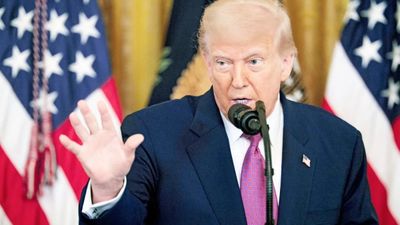 We’re In War: Donald Trump Says US Aircraft Loss Won’t Derail Iran Talks
 -
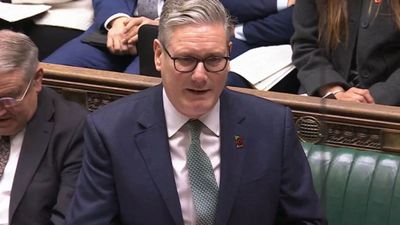 UK To Host 35-Nation Talks To Reopen Strait Of Hormuz Amid Oil Crisis
 -
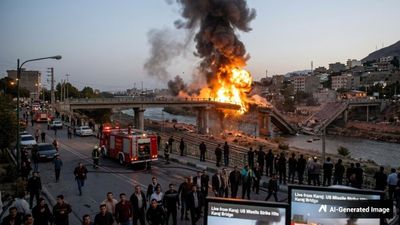 Iran Names 8 Gulf, Jordan Bridges as Possible Targets After Deadly Karaj Strike
 -
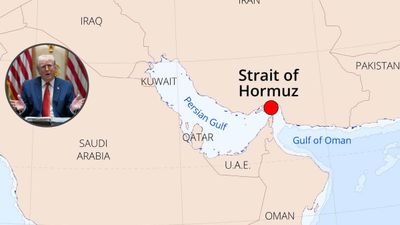 When Will Strait of Hormuz Reopen? Donald Trump’s Iran War Speech Suggests No Quick Relief
 -
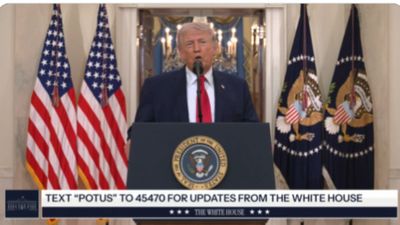 Trump Addresses Nation Amid Iran War, Targets Obama Nuclear Deal, Justifies ‘Operation Epic Fury' , Watch
 -
 What Is The ‘Stone Age’ Warning Donald Trump Issued To Iran? Says ‘No Deal, No Mercy’
 -
 We're The Only Country To Lose Mariners At Strait of Hormuz: India At UK-led West Asia Meet On Iran Crisis
 -
 US Confirms Fighter Jet Downed Over Iran, Tehran Announces Reward For Those Who Find Crew
 -
 US Pilot Reportedly Ejects In Southwest Iran Amid Fresh Iranian Claims Of F-35, F-15E Downing
 -
 Stock Market Crashes As Sensex Falls Over 1,400 Points After Trump’s Iran War Warning, Oil Prices Surge
 -
 INS Taragiri To Join Indian Navy Fleet, Boosting Maritime Power
 -
 Petrol Price India Vs Pakistan: Why Fuel Is Cheaper In India Than Pak Despite Global Crisis



 Click it and Unblock the Notifications
 Sign in with Google