


Iran Set to Execute Protester Erfan Soltani: First Death Linked to Nationwide Unrest


Iranian authorities are preparing to carry out the first execution linked directly to the nationwide protests, with 26-year-old Erfan Soltani expected to be hanged. Rights groups say Soltani was arrested during demonstrations and accused of “waging war against God”, as authorities attempt to suppress unrest that has already left more than 650 people dead.
Human rights organisations warn that Soltani’s case signals a new phase in the state response. Until now, security forces mainly used live ammunition and mass arrests. Analysts fear that a highly publicised execution could serve as a warning to others and trigger a series of similar cases handled at speed.
AI-generated summary, reviewed by editors

Iran protests execution Erfan Soltani: rights groups allege legal violations
According to the Hengaw Organisation for Human Rights and other groups, Soltani lost basic legal protections immediately after detention. Reports state that Soltani had no access to a lawyer, could not present a proper defence, and was tried under conditions that his family and activists describe as opaque and deeply unfair.
Soltani’s relatives say they were not informed about the grounds for the arrest or which agency seized Soltani. The family claims officials only told them on 11 January that a death sentence had already been issued. They were then granted a single visit lasting about 10 minutes, shortly after the verdict.
Iran protests execution Erfan Soltani: background, charges and location
Soltani lives in Fardis, a district in the Karaj suburb of Tehran, and is described as an active protest participant. Security forces detained Soltani on 8 January during demonstrations in Karaj against Supreme Leader Ayatollah Ali Khamenei. Iranian law treats accusations of “waging war against God” as a capital offence, carrying a possible death penalty.
Media reports say Soltani’s execution is scheduled for 14 January, only days after the arrest. Activists highlight the short time frame as evidence of a rushed process. Iran Human Rights and other monitors warn that the number of people facing similar outcomes could rise sharply if the pattern continues.
Iran protests execution Erfan Soltani: family and opposition reactions
Soltani’s sister, a licensed lawyer, has reportedly been denied permission to access the case file. She has also been barred from representing Soltani in court or lodging formal appeals against the sentence. The family maintains that legal options remain blocked, leaving little scope to challenge either evidence or procedure.
The National Union for Democracy in Iran (NUFD) has publicly criticised the case, arguing that Soltani should not face death. The group says Soltani’s “only crime” was calling for freedom, and is urging governments and international bodies to intervene. Activists argue that international pressure may be the only tool left to halt the execution.
| Detail | Information |
|---|---|
| Name | Erfan Soltani |
| Age | 26 |
| Place of arrest | Karaj, near Tehran |
| Date of arrest | 8 January |
| Date family informed of sentence | 11 January |
| Planned execution date | 14 January |
| Main charge | “waging war against God” |
Iran protests execution Erfan Soltani: protests, casualties and wider impact
Protests first erupted on 28 December after the collapse of Iran’s currency deepened inflation and hardship. Demonstrations that began in Tehran’s bazaars soon moved across the country, drawing shopkeepers, students and other citizens. What started as anger over economic conditions has since turned into a broader challenge to Iran’s clerical system.
More than 10,000 people have reportedly been detained during the last two weeks of protests, according to rights groups. Over 650 deaths have been recorded as security forces move against gatherings nationwide. Observers describe this wave of protests as the largest test of the Islamic Republic’s rule since the 1979 Islamic Revolution.
Soltani is among those arrested during this period, and is expected to be the first person executed in connection with the current unrest. Activists and analysts predict that Soltani’s case could be the “first of many” fast-tracked and publicised executions aimed at deterring further mobilisation on the streets, as Iran Human Rights tracks a possible rise in protest-related deaths.
While Iranian officials continue mass detentions and now prepare for the first protest-linked hanging, rights organisations warn the combination of lethal force and death sentences may further inflame tensions. For many Iranians and international observers, the fate of Erfan Soltani has become a test of how far the authorities will go to crush dissent, with inputs from agencies.
-
 Iran Crisis: Over 5.98 Lakh Indians Have Returned Home, Confirms Govt
 -
 UK To Host 35-Nation Talks To Reopen Strait Of Hormuz Amid Oil Crisis
 -
 ‘Iran Wants Ceasefire’: Donald Trump Threatens To Send Tehran ‘Back To The Stone Age’
 -
 Starmer Warns Iran Conflict Will Impact UK, But Pledges to ‘Weather The Storm’
 -
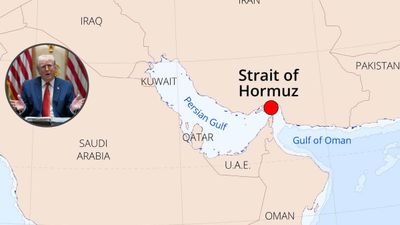 When Will Strait of Hormuz Reopen? Donald Trump’s Iran War Speech Suggests No Quick Relief
 -
 Iran Hits Back at Trump, Threatens Prolonged War
 -
 Stock Market Crashes As Sensex Falls Over 1,400 Points After Trump’s Iran War Warning, Oil Prices Surge
 -
 Trump Sets Tough Terms For Ceasefire With Iran, Demands Strait Of Hormuz Be “Open, Free, Clear” Amid Conflict
 -
 What Is The ‘Stone Age’ Warning Donald Trump Issued To Iran? Says ‘No Deal, No Mercy’
 -
 Donald Trump Offers To Buy Oil From The US, Says “We Have Plenty”; Claims Iran War Will “Finish Very Fast'
 -
 Trump Addresses Nation Amid Iran War, Targets Obama Nuclear Deal, Justifies ‘Operation Epic Fury' , Watch
 -
 Will Donald Trump Quit NATO After Iran War Rift? Europe Unites As Alliance Faces Its Biggest Crisis In Decades



 Click it and Unblock the Notifications
 Sign in with Google