


Iran Says ‘Big No’ To US' Unreasonable Demands, Freezes Next Round of Nuclear Talks


Negotiations between the United States and Iran over the ongoing West Asia conflict have hit a deadlock, with Tehran halting plans for further dialogue and keeping the strategically crucial Strait of Hormuz shut.
The high-stakes talks, held in Islamabad, lasted 21 hours and were led by US Vice President JD Vance. Despite marathon discussions, both sides failed to reach any agreement, returning home to consult their respective experts. No timeline has been set for the next round.
AI-generated summary, reviewed by editors
Key Disputes: Strait of Hormuz and Nuclear Programme
At the core of the stalled negotiations are disagreements over control and reopening of the Strait of Hormuz, along with Iran's nuclear programme. Iranian officials maintain that Washington's demands-particularly on restricting its nuclear rights and altering the status of the waterway-cross "red lines."

State-linked outlets like Press TV and Tasnim News Agency have accused the US of making "excessive demands," claiming Washington sought concessions it could not achieve during the conflict.
US Acknowledges Deadlock
Following the talks, JD Vance admitted that no "satisfactory agreement" had been reached, confirming that Iran rejected the US draft proposal. He reiterated Washington's primary demand-firm, long-term assurances that Iran will not develop nuclear weapons.
War of Narratives
Iranian media, including Fars News Agency, suggested that the US entered negotiations seeking sweeping concessions on maritime access and nuclear policy. Meanwhile, Al Jazeera reported claims that Washington may not have been fully committed to securing a deal, instead using the talks to manage international perception.
Adding to the rhetoric, Iran's embassy in Ghana posted a sharp message on social media, asserting that Tehran rejected US demands outright and that the Vice President returned "empty-handed."
Strait Closure and Future Uncertainty
Iran has made it clear that the Strait of Hormuz will remain closed unless Washington agrees to what it calls a "reasonable deal." Tehran also insists it is "in no hurry" to resume talks, signaling a hardened stance.
While formal negotiations remain frozen, technical teams from both sides are reportedly still reviewing draft proposals, with Pakistan continuing its role as a mediator.
For now, the diplomatic process remains at a standstill. With both nations holding firm on key issues, the future of the negotiations-and the reopening of the Strait of Hormuz-remains uncertain.
-
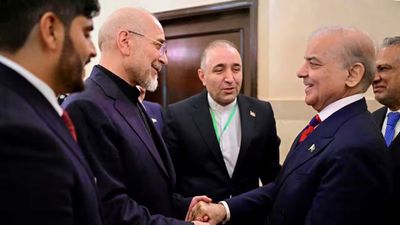 US-Iran Talks In Pakistan End Without Agreement As Tehran Says Washington Failed To Earn Trust
 -
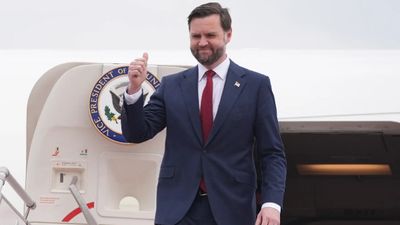 JD Vance Heads US Push for Iran Ceasefire as Talks Begin in Pakistan
 -
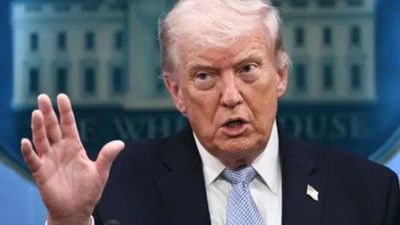 Why Did Trump Announce a Strait of Hormuz Blockade After Failed Iran Talks?
 -
 Empty Seats, 168 Lives: Iran’s Stark Reminder Ahead of Islamabad Talks
 -
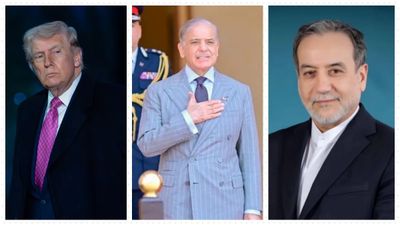 Iran-US Talks Head For Cancel? Tehran Officials Yet To Arrive In Islamabad As Pakistan Picks Fight With Israel
 -
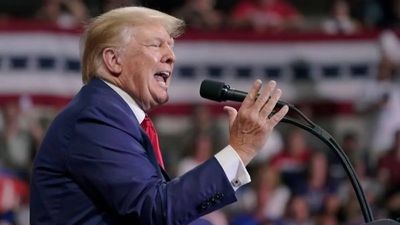 US Will Not Allow Iran To Impose Tolls On Strait of Hormuz: Donald Trump
 -
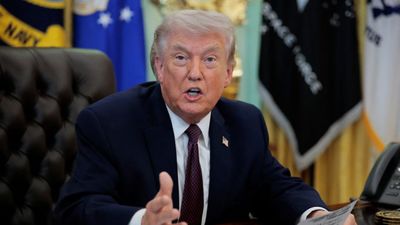 Trump Warns Of Strike On Iran Ahead Of Crucial Islamabad Talks, Says US Warships Ready
 -
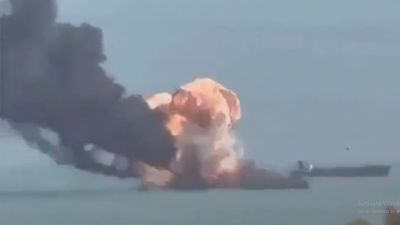 Iran Claims Destroying of US Warship Near Bandar Abbas Amid Rising Gulf Tensions
 -
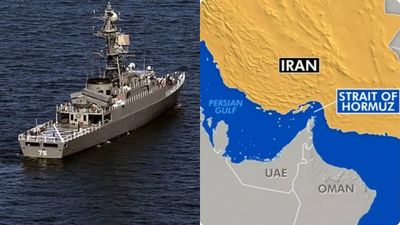 Strait of Hormuz Tensions Rise as US Says 2 Warships Began Mine-Clearing Mission, Iran Rejects Claim
 -
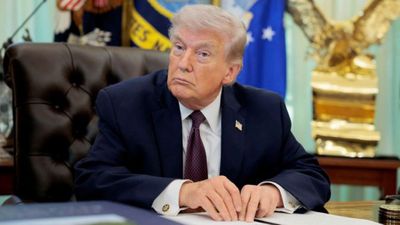 '50% Tariff on China If I Catch Them...': Trump Issues Fresh Warning Over Iran Aid
 -
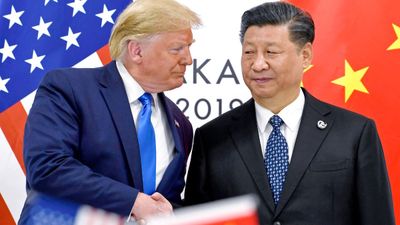 China Rejects US Claims Of Arming Iran, Calls It ‘Baseless Smears’ And Warns Against Trump’s 50% Tariff Thret
 -
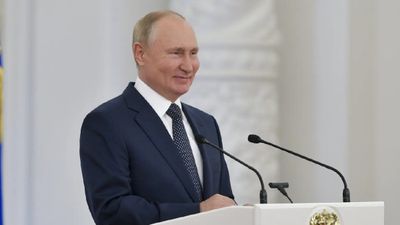 Putin Steps In as Peacemaker Following Failed United States–Iran Negotiations



 Click it and Unblock the Notifications
 Sign in with Google