


Iran Rejects Trump’s Ceasefire Claim: Tehran Denies Talks, Calls It ‘US Retreat’


Iran has sharply rejected US President Donald Trump's claim of a five-day ceasefire and ongoing negotiations, escalating the war of narratives between Washington and Tehran amid rising tensions in West Asia.
The response from Tehran came within hours of Trump's announcement, with multiple Iranian officials and media outlets dismissing the claim of any talks and portraying the US move as a sign of weakness rather than diplomacy.
AI-generated summary, reviewed by editors

Iran Denies Any Talks With the US
Iran's Foreign Ministry categorically denied that any negotiations are taking place with Washington. Officials accused Trump of attempting to "buy time" while regional de-escalation efforts continue independently of US involvement.
Adding to the strong response, IRGC-affiliated Iranian media claimed there had been no discussions with Trump at all, asserting that the US president had stepped back due to fears of potential Iranian retaliation.
'Another Defeat for the US': Iran's Strong Message
Ebrahim Rezaei, spokesperson for Iran's National Security and Foreign Policy Commission, struck a defiant tone, saying:
"The battle continues... and another defeat for the devil. Trump and the United States have once again been defeated."
The remarks reflect Tehran's attempt to frame the situation as a strategic victory, suggesting that US restraint is the result of pressure rather than diplomacy.
What Trump Had Announced
Earlier, Donald Trump declared a five-day pause on military strikes targeting Iranian power plants and energy infrastructure, linking the decision to what he described as "very good and productive" talks between US and Iranian delegations.
According to Trump, the temporary ceasefire was conditional and aimed at allowing space for negotiations toward a broader resolution of hostilities in the Middle East. He stated that further progress would depend on the outcome of ongoing discussions.
The US president also confirmed that the military had been instructed to hold back planned strikes during this period, signalling a temporary shift from escalation to diplomacy.
Conflicting Narratives Raise Uncertainty
The stark contrast between Washington's and Tehran's positions has added to uncertainty in the region. While the US projects the move as a diplomatic opening, Iran insists there is no engagement and portrays the pause as a forced retreat by the United States.
This divergence suggests that any immediate breakthrough remains unlikely, with both sides continuing to use public messaging as part of a broader strategic posture.
What It Means for the Region
The conflicting claims come at a time when the West Asia conflict is already impacting global markets, energy supply chains and geopolitical stability. The absence of a clear, mutually acknowledged dialogue raises concerns about further escalation once the temporary pause period ends.
For now, the situation remains fluid, with the next few days critical in determining whether tensions ease through backchannel efforts or intensify amid continued mistrust between the two sides.
-
 Donald Trump Issues Fresh 48-Hour Ultimatum to Iran Over Hormuz Standoff
 -
 We’re In War: Donald Trump Says US Aircraft Loss Won’t Derail Iran Talks
 -
 ‘Habitual Liars’: PM Targets Congress and Left in Fiery Speech Over Kerala Story, Dhurandhar False Claims
 -
 US Pilot Reportedly Ejects In Southwest Iran Amid Fresh Iranian Claims Of F-35, F-15E Downing
 -
 US Confirms Fighter Jet Downed Over Iran, Tehran Announces Reward For Those Who Find Crew
 -
 Iran Names 8 Gulf, Jordan Bridges as Possible Targets After Deadly Karaj Strike
 -
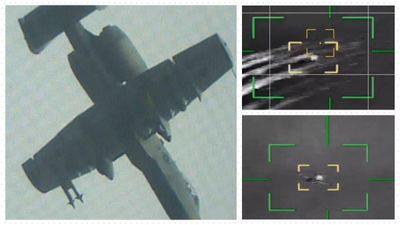 How Iran Brought Down US Military A-10 ‘Warthog’: IRGC Releases Video
 -
 Iran Snubs Pakistan’s Peacemaker Pretensions, Refuses To Meet US Officials In Islamabad
 -
 What Happened Last Time Iran Held US Personnel: The 2016 Detention That Still Haunts Washington
 -
 We're The Only Country To Lose Mariners At Strait of Hormuz: India At UK-led West Asia Meet On Iran Crisis
 -
 INS Taragiri To Join Indian Navy Fleet, Boosting Maritime Power
 -
 Has Pakistan Lifted The Ban on Dhurandhar 2? Find Out The Truth



 Click it and Unblock the Notifications
 Sign in with Google