


Iran Issues Blunt Warning, Says 'Will Attack Any Ship Attempting To Cross The Strait Of Hormuz'


An Iranian official has issued a sharp warning about the Strait of Hormuz, saying Iran will take strong action against any ship attempting to pass through the strategic waterway if tensions continue to escalate.

AI-generated summary, reviewed by editors
The statement comes at a time of growing conflict in the region, increasing fears about global energy supply and oil prices.
Who Made the Warning?
The warning was delivered by Ebrahim Jabbari, an adviser to the Commander-in-Chief of Iran's Islamic Revolutionary Guard Corps (IRGC). He made the remarks during an appearance on Iranian state television.
Jabbari stated that the Strait of Hormuz is effectively closed and warned vessels not to enter the area. He said ships attempting to pass through would face a "serious response" from Iran.
He also accused the United States of seeking control over the region's oil resources and said Iran would not allow oil exports from the area if hostilities continue.
Why the Strait of Hormuz Is So Important
The Strait of Hormuz is one of the most critical shipping routes in the world. It connects the Persian Gulf to the Gulf of Oman and the Arabian Sea.
Around 20 percent of the world's oil and liquefied natural gas (LNG) passes through this narrow waterway every day. Major oil-producing countries such as Saudi Arabia, Iraq, Kuwait, the United Arab Emirates and Iran use this route to export energy supplies.
Because of this, even the threat of disruption can push global oil prices higher.
What Could Happen If the Strait Is Blocked?
If shipping through the Strait of Hormuz is disrupted, the impact could be immediate and widespread.
Possible consequences include:
- Sharp rise in global crude oil prices
- Higher fuel costs in importing countries
- Increased shipping and insurance expenses
- Pressure on global inflation
Countries that rely heavily on imported oil, especially in Asia, would feel the effects quickly. Financial markets could also react strongly to any escalation.
Rising Regional Tensions
The warning comes amid growing military tensions involving Iran, the United States and Israel. Recent strikes and counter-strikes have already increased uncertainty across the Middle East.
While it is not yet clear whether the Strait of Hormuz will actually be blocked, such statements add to market anxiety and geopolitical risk.
-
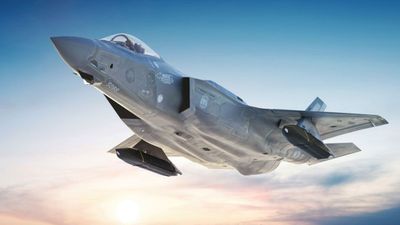 US Pilot Reportedly Ejects In Southwest Iran Amid Fresh Iranian Claims Of F-35, F-15E Downing
 -
 We’re In War: Donald Trump Says US Aircraft Loss Won’t Derail Iran Talks
 -
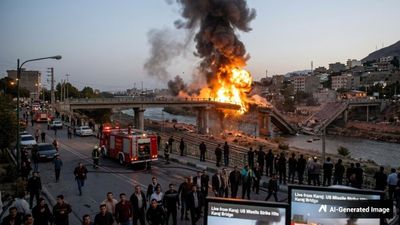 Iran Names 8 Gulf, Jordan Bridges as Possible Targets After Deadly Karaj Strike
 -
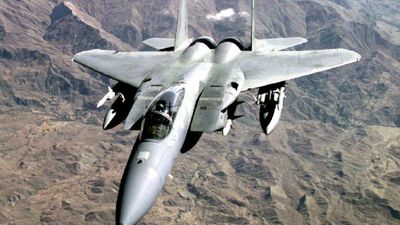 'Behind Enemy Lines' For Real: F15 US Pilot Rescue Unfolds Deep Inside Iran
 -
 Has Pakistan Lifted The Ban on Dhurandhar 2? Find Out The Truth
 -
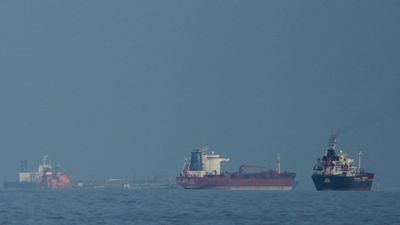 US-Sanctioned Iranian Tanker Diverts from India to China Mid-Voyage
 -
 US Confirms Fighter Jet Downed Over Iran, Tehran Announces Reward For Those Who Find Crew
 -
 How Iran Brought Down US Military A-10 ‘Warthog’: IRGC Releases Video
 -
 Iran Snubs Pakistan’s Peacemaker Pretensions, Refuses To Meet US Officials In Islamabad
 -
 We're The Only Country To Lose Mariners At Strait of Hormuz: India At UK-led West Asia Meet On Iran Crisis
 -
 INS Taragiri To Join Indian Navy Fleet, Boosting Maritime Power
 -
 Centre Plans ₹2.5 Lakh Crore Credit Shield for Businesses Facing Iran Conflict Fallout



 Click it and Unblock the Notifications
 Sign in with Google