


‘Iran Is About To Surrender’: Donald Trump Tells G7, Iran Responds With Defiance


US President Donald Trump reportedly told G7 leaders during a virtual call on Wednesday that Iran was "about to surrender", but developments over the next 24 hours suggested otherwise, with Tehran showing no sign of backing down and instead escalating its rhetoric as the war entered its 14th day.

AI-generated summary, reviewed by editors
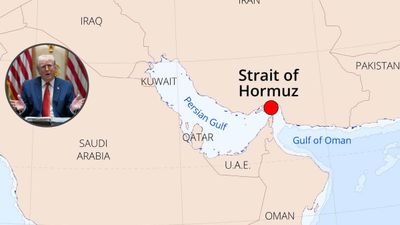
According to an Axios report citing three people familiar with the call, Trump claimed Iran was on the verge of collapse. However, Iran's new supreme leader, Mojtaba Khamenei, soon delivered his first public statement since taking office, making it clear that the country intends to continue fighting. As the conflict involving the United States, Israel and Iran deepens, Iran has also appeared to increase pressure by threatening disruption in the Strait of Hormuz, a key global oil shipping route.
Trump's claim to G7 leaders on Iran's position
During the virtual conversation with G7 leaders, Trump reportedly argued that Iran was close to giving up. Axios reported that the US President suggested the Iranian leadership structure had been so badly hit that no one remained in Tehran to formally decide the next steps.
"Nobody knows who the leader is, so there is no one who can announce surrender," Trump said, according to two officials cited by the US-based outlet who were briefed on the call.
The remarks came as Washington continued to assess the impact of the conflict and its military pressure campaign on Iran. Trump's comments, however, were quickly contradicted by events on the ground and by Iran's public messaging.
Mojtaba Khamenei's first statement signals continued resistance
Roughly a day after Trump's remarks, Iran's new supreme leader, Mojtaba Khamenei, issued his first public statement since assuming office, signalling that Tehran was not preparing to capitulate.
In a message read by a news anchor on Iranian state television, Khamenei said, "vengeance is priority 'until fully achieved'."
The statement underscored Tehran's defiant stance even as the war intensified. Rather than indicating surrender or regime collapse, the Iranian leadership appeared to be projecting resolve and warning that the conflict could broaden further if pressure from the US and Israel continued.
Tensions flare over Trump-Starmer exchange during G7 call
The Axios report also claimed that Trump used the call to criticise UK Prime Minister Kier Starmer over Britain's earlier reluctance to allow US forces to use British military bases for strikes on Iran.
According to two officials briefed on the discussion, Trump told Starmer in front of other G7 leaders that British support had come too late.
"You should have proposed it before the war - now it is too late," he added.
The report noted that Starmer had later offered access to British bases for defensive strikes after Iran began retaliatory attacks against other Gulf countries. The exchange reportedly added to tensions within the broader Western response as leaders weighed military coordination and regional fallout.
Strait of Hormuz fears grow as US weighs risks
The latest Axios report comes after an earlier CNN report suggested that the Trump administration may have underestimated the likelihood of Iran attempting to close the Strait of Hormuz in response to US military action.
CNN reported that, during planning for the current operation, officials at the US Department of Defense and the US National Security Council did not fully expect Tehran to move towards shutting the strategic waterway, despite the fact that the US military has long maintained contingency plans for such a possibility.
With the war now stretching into its second week, the Strait of Hormuz has emerged as one of the most critical pressure points in the conflict. Any serious disruption there could sharply affect global energy flows and raise the stakes for both regional powers and international markets.
Iran shows no sign of surrender as war enters Day 14
Despite Trump's confident assessment to fellow G7 leaders, Iran's actions and public messaging suggest the regime is not close to surrender. Instead, Tehran appears focused on demonstrating resilience, sustaining military pressure and expanding its leverage through threats tied to strategic chokepoints such as the Strait of Hormuz.
As the conflict enters Day 14, the gap between Trump's private claims and Iran's public posture has become increasingly stark, with fears rising that the war could intensify further rather than move towards a quick resolution.
-
 When Will Strait of Hormuz Reopen? Donald Trump’s Iran War Speech Suggests No Quick Relief
 -
 Iran Names 8 Gulf, Jordan Bridges as Possible Targets After Deadly Karaj Strike
 -
 Trump Addresses Nation Amid Iran War, Targets Obama Nuclear Deal, Justifies ‘Operation Epic Fury' , Watch
 -
 Donald Trump Offers To Buy Oil From The US, Says “We Have Plenty”; Claims Iran War Will “Finish Very Fast'
 -
 Iran Hits Back at Trump, Threatens Prolonged War
 -
 What Is The ‘Stone Age’ Warning Donald Trump Issued To Iran? Says ‘No Deal, No Mercy’
 -
 Trump's Address To Nation: Key Pointers From US President's Speech
 -
 UK To Host 35-Nation Talks To Reopen Strait Of Hormuz Amid Oil Crisis
 -
 We're The Only Country To Lose Mariners At Strait of Hormuz: India At UK-led West Asia Meet On Iran Crisis
 -
 Will Donald Trump Quit NATO After Iran War Rift? Europe Unites As Alliance Faces Its Biggest Crisis In Decades
 -
 Stock Market Crashes As Sensex Falls Over 1,400 Points After Trump’s Iran War Warning, Oil Prices Surge
 -
 Gold Rate Today 2 April 2026: Latest IBJA Gold Rates, Tanishq, Kalyan, Malabar, Joyalukkas 22K Prices



 Click it and Unblock the Notifications
 Sign in with Google