


Fire Near Parand, Strait Drills and US Jets: Tensions Simmer as Iran–US Talks Continue
Tensions in the Middle East intensify as Iran conducts naval drills near Hormuz and the US increases military deployments. Diplomatic efforts in Geneva continue regarding Tehran's nuclear programme, while energy markets respond to potential disruption in oil supply routes.


A fire near Iran’s Parand area, temporary naval drills in a vital oil corridor and intensified US military deployments marked a tense day in the Middle East, even as nuclear diplomacy continued in Switzerland.
Thick black smoke rising near Parand in Tehran province first drew attention. Social media clips showed plumes visible from a distance, fuelling speculation because the area lies close to reported military and strategic sites. However, Iranian state media, quoting local officials, said the smoke was caused by a fire in reeds along the riverbank near the city. Firefighters were deployed and authorities said the blaze was being brought under control. No official link was made between the incident and ongoing regional tensions.
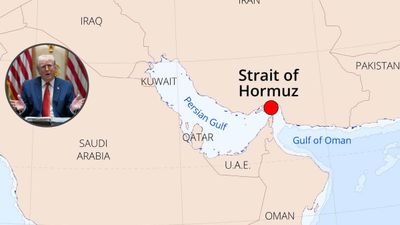
Hours later, Tehran confirmed it had temporarily closed parts of the Strait of Hormuz for live-fire naval exercises. Iranian outlets said the shutdown lasted several hours and was necessary for safety while live ammunition was used.

The Strait of Hormuz is one of the world’s most strategically important waterways. Roughly 20% of global oil supply passes through the narrow channel connecting the Persian Gulf to international shipping lanes. Even limited disruptions can shake energy markets and heighten geopolitical anxieties. While Iranian officials described the move as a routine, time-bound exercise, analysts viewed it as a signal of Tehran’s leverage amid rising friction with Washington.
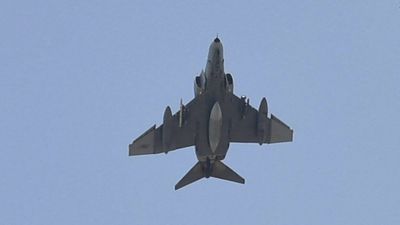
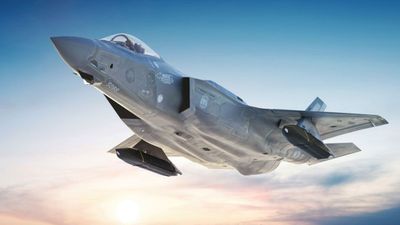
The United States, meanwhile, has significantly increased its military presence in the region. American officials said more than 50 advanced fighter jets — including F-35s, F-22s and F-16s — have arrived in the Middle East within 24 hours. The Pentagon has also redirected the USS Gerald R. Ford toward the region, where it is expected to operate alongside the USS Abraham Lincoln carrier strike group and additional naval assets.
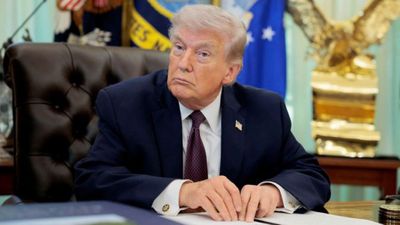
US Vice President JD Vance said recent negotiations showed mixed progress, reiterating that Washington’s primary goal is to prevent Iran from acquiring a nuclear weapon. President Donald Trump urged Tehran to accept a deal and warned against further escalation, referencing earlier military strikes on Iranian nuclear infrastructure.
Despite the hardening military posture, diplomacy continues in Geneva. US and Iranian officials concluded a second round of indirect talks over Tehran’s nuclear programme. Iranian Foreign Minister Abbas Araghchi said negotiators had reached a “general agreement” on guiding principles for a possible deal and would now begin drafting proposals. He cautioned that the next stage would be more detailed and challenging.
Iran has also announced joint naval drills with Russia in the Sea of Oman and northern Indian Ocean, adding another dimension to the regional military activity.
Energy markets reacted cautiously. Brent crude hovered around $67 per barrel, reflecting both diplomatic optimism and lingering concerns about supply disruptions.
-
 When Will Strait of Hormuz Reopen? Donald Trump’s Iran War Speech Suggests No Quick Relief
 -
 Iran Shoots Down Second US F-35 Fighter Jet, Pilot Survival Unlikely
 -
 Donald Trump Offers To Buy Oil From The US, Says “We Have Plenty”; Claims Iran War Will “Finish Very Fast'
 -
 UK To Host 35-Nation Talks To Reopen Strait Of Hormuz Amid Oil Crisis
 -
 What Is The ‘Stone Age’ Warning Donald Trump Issued To Iran? Says ‘No Deal, No Mercy’
 -
 NASA Successfully Launches Artemis II: Know All About First Crewed Moon Mission In 50 Years
 -
 US-Sanctioned Iranian Tanker Diverts from India to China Mid-Voyage
 -
 US Confirms Fighter Jet Downed Over Iran, Tehran Announces Reward For Those Who Find Crew
 -
 US Pilot Reportedly Ejects In Southwest Iran Amid Fresh Iranian Claims Of F-35, F-15E Downing
 -
 Will Donald Trump Quit NATO After Iran War Rift? Europe Unites As Alliance Faces Its Biggest Crisis In Decades
 -
 School Assembly News Headlines Today April 03: Top National, International, Sports, Business News
 -
 Stock Market Crashes As Sensex Falls Over 1,400 Points After Trump’s Iran War Warning, Oil Prices Surge



 Click it and Unblock the Notifications
 Sign in with Google