


European Gas Prices Rise As Hormuz Strait Disruption Impacts LNG Supply
European gas prices have surged following disruption in the Strait of Hormuz, heightening concerns over LNG supply and storage, with QatarEnergy reducing LNG output and broader market sensitivity to shipping delays.


European gas prices jumped sharply after tanker movements through the Strait of Hormuz slowed, following joint US and Israeli strikes on Iran. Traders reacted to fears of disrupted energy flows along this crucial shipping route, sending key European gas benchmarks significantly higher during intraday trading.

AI-generated summary, reviewed by editors
At the Dutch-based Title Transfer Facility, April natural gas futures touched €47.2, or about US$55.2, per megawatt-hour intraday. Prices had stood at €31.95 per megawatt-hour on 27 February, before the attacks, representing an intraday rise of up to 48 per cent compared with the previous close.
European gas prices and Strait of Hormuz disruption raise LNG supply concerns
The price spike came as tanker traffic through the Strait of Hormuz, a narrow waterway at the entrance to the Persian Gulf, largely stalled. The strait links Middle Eastern oil and liquefied natural gas production to world buyers through the Gulf of Oman and the Indian Ocean.
QatarEnergy also suspended liquefied natural gas production after an Iranian-launched drone hit one of its facilities in Ras Laffan Industrial City, Qatar. The incident deepened worries about global LNG availability and added extra upward pressure on European gas prices already reacting to shipping disruption.
European gas prices, LNG supply routes and storage levels under pressure
About 20 per cent of global LNG exports pass through the Strait of Hormuz. Qatar, among the largest LNG exporters worldwide, moves almost all LNG cargoes through this chokepoint. Any disturbance in this corridor can quickly affect gas costs in distant markets, including Europe.
Much of the LNG moving through Hormuz goes to China and other Asian countries, yet supply risks echo worldwide. Europe feels the strain more because regional gas storage has dropped below 30 per cent, increasing reliance on imported LNG and heightening sensitivity to international supply shocks.
-
 Trump Sets Tough Terms For Ceasefire With Iran, Demands Strait Of Hormuz Be “Open, Free, Clear” Amid Conflict
 -
 Iran Names 8 Gulf, Jordan Bridges as Possible Targets After Deadly Karaj Strike
 -
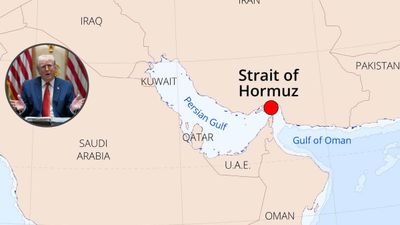 When Will Strait of Hormuz Reopen? Donald Trump’s Iran War Speech Suggests No Quick Relief
 -
 'Behind Enemy Lines' For Real: F15 US Pilot Rescue Unfolds Deep Inside Iran
 -
 Has Pakistan Lifted The Ban on Dhurandhar 2? Find Out The Truth
 -
 US-Sanctioned Iranian Tanker Diverts from India to China Mid-Voyage
 -
 US Confirms Fighter Jet Downed Over Iran, Tehran Announces Reward For Those Who Find Crew
 -
 Iran Hits Back at Trump, Threatens Prolonged War
 -
 Will Donald Trump Quit NATO After Iran War Rift? Europe Unites As Alliance Faces Its Biggest Crisis In Decades
 -
 Iran Snubs Pakistan’s Peacemaker Pretensions, Refuses To Meet US Officials In Islamabad
 -
 UK To Host 35-Nation Talks To Reopen Strait Of Hormuz Amid Oil Crisis
 -
 Stock Market Crashes As Sensex Falls Over 1,400 Points After Trump’s Iran War Warning, Oil Prices Surge



 Click it and Unblock the Notifications
 Sign in with Google