


China Rejects US Claims Of Arming Iran, Calls It ‘Baseless Smears’ And Warns Against Trump’s 50% Tariff Thret


Tensions between global powers continue to rise as China on Monday strongly denied allegations that it had supplied or planned to supply weapons to Iran.

AI-generated summary, reviewed by editors
The response came after reports citing US intelligence suggested possible Chinese military support to Tehran.
China Calls Allegations 'Baseless Smears'
China's Foreign Ministry dismissed the claims, calling them "baseless smears" and rejecting any link to military assistance for Iran.
Foreign Ministry spokesperson Guo Jiakun said that China follows a strict and responsible policy when it comes to exporting military equipment. He added that all such exports are carried out in line with China's laws and international obligations.
Beijing also criticised attempts to associate it with rising tensions in the region, calling such claims misleading.
China Responds to Trump's Tariff Threat
The denial came after US President Donald Trump threatened to impose a 50% tariff on Chinese goods over the alleged arms supply issue.
Responding to this, China warned that a trade war would benefit no one. Officials stressed that increasing tariffs could further strain relations between the two countries and impact global trade.
Iran Issues Warning Over Regional Security
Amid rising tensions, Iran has issued a strong warning regarding security in the Persian Gulf.
Tehran stated that if its own ports are threatened, then no port in the Persian Gulf or Gulf of Oman would remain safe. This warning follows the US announcement of a naval blockade targeting Iranian maritime routes.
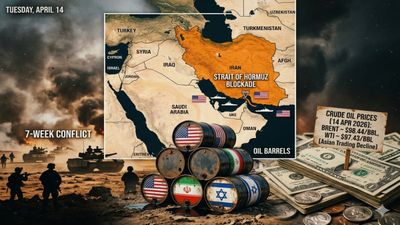
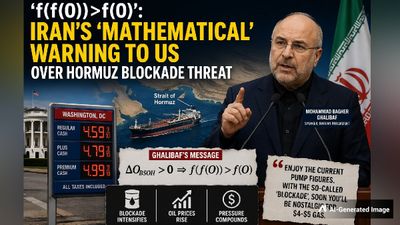
The situation has already affected shipping activity, with disruptions reported in the Strait of Hormuz, a key route for global oil transport.
Rising Concerns Over Global Energy Supply
The growing tensions have raised fears of a possible impact on global energy markets.
The Strait of Hormuz is one of the world's most important oil transit routes, and any disruption in this region could lead to supply shortages and rising oil prices.
Experts warn that continued conflict could trigger a broader economic impact worldwide.
Pakistan PM to Visit Saudi Arabia
In a related development, Shehbaz Sharif is expected to visit Saudi Arabia within the next 48 hours.
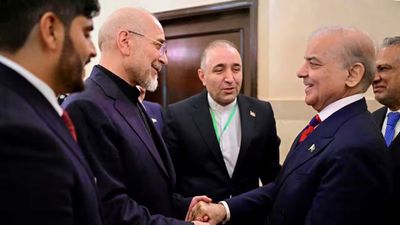
The visit comes shortly after the failure of US-Iran peace talks and is seen as part of ongoing diplomatic efforts in the region.
Situation Remains Uncertain
With multiple countries involved and tensions rising on several fronts, the situation remains uncertain.
China's denial, the US tariff threat, and Iran's warning all point to a complex geopolitical scenario that could have far-reaching consequences.
As diplomatic efforts continue, the coming days will be crucial in determining whether tensions ease or escalate further.
-
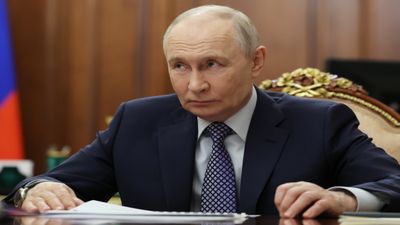 Russia Renews Offer to Store an’s Enriched Uranium Amid Stalled US Peace Talks
 -
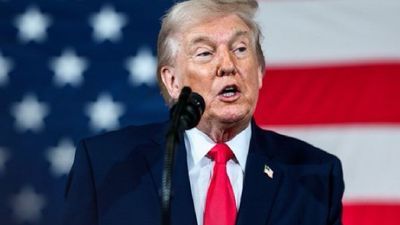 China Iran Arms Transfers And US Warnings Raise Diplomatic Tensions
 -
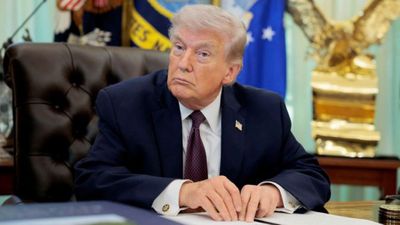 '50% Tariff on China If I Catch Them...': Trump Issues Fresh Warning Over Iran Aid
 -
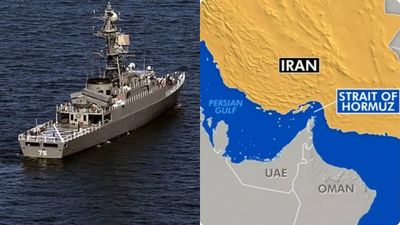 Strait of Hormuz Tensions Rise as US Says 2 Warships Began Mine-Clearing Mission, Iran Rejects Claim
 -
 Crude Oil Price Today - April 14: Brent Crude Drops To $98 Per Barrel; Check Latest Rates of WTI, Murban
 -
 PM Modi, Donald Trump Hold 40-Minute Call, Discuss Middle East Crisis , Strait of Hormuz And More
 -
 US-Iran Talks In Pakistan End Without Agreement As Tehran Says Washington Failed To Earn Trust
 -
 Iran's Mohammad Bagher Ghalibaf Uses Math to Warn US: ‘ffO > fO’ Over Strait of Hormuz Crisis
 -
 Putin Steps In as Peacemaker Following Failed United States–Iran Negotiations
 -
 From Deadlock to Dialogue? US Considers Fresh Iran Talks After Islamabad Failure
 -
 US-Iran Peace Talks End Without Deal Despite ‘Close’ Breakthrough
 -
 No Deal in Islamabad: JD Vance Confirms Collapse of US-Iran Truce Talks



 Click it and Unblock the Notifications
 Sign in with Google