


1$ Per Oil Barrel: Iran Proposes Crypto Toll For Tankers As Ships Begin Crossing Strait of Hormuz


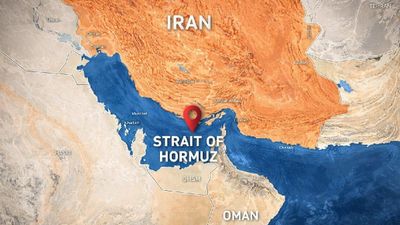
In a significant sign of easing tensions, two commercial vessels have successfully passed through the Strait of Hormuz after Iran agreed to reopen the crucial maritime corridor under a temporary ceasefire arrangement.
According to maritime monitoring firm MarineTraffic, the Greek-owned bulk carrier NJ Earth crossed the strait at 08:44 UTC, while the Liberia-flagged vessel Daytona Beach had earlier transited the passage at 06:59 UTC, shortly after leaving Bandar Abbas.
AI-generated summary, reviewed by editors

Iran allows passage during ceasefire window
The development follows a two-week ceasefire agreement between the United States and Iran, aimed at reducing tensions in the region.
Iran's Foreign Minister Abbas Araghchi said shipping through the strait would continue during the ceasefire but would require coordination with Iran's armed forces.
Tracking data showed that one of the vessels kept its transponder active while sailing along a corridor approved by Iranian authorities near Larak Island, a route widely used by ships in recent weeks.
Iran proposes cryptocurrency toll for oil tankers
Amid the temporary reopening of the waterway, Iran also indicated it plans to charge ships passing through the strait. Authorities said oil tankers could be required to pay $1 per barrel in transit fees, with payments made in cryptocurrency.
Hamid Hosseini, spokesperson for Iran's Oil, Gas and Petrochemical Products Exporters' Union, said the measure is aimed at monitoring cargo movement during the ceasefire period.
He explained that Iran wants to keep track of what ships carry through the strait to ensure the pause in fighting is not used to move weapons or military supplies.
Under the proposal, tankers may also be required to travel along the northern route close to Iran's coastline, which could raise concerns among Western and Gulf-linked shipping companies about security during transit.
Ceasefire remains fragile amid sporadic attacks
The reopening of the shipping lane comes shortly after Donald Trump announced a ceasefire agreement involving Iran, the United States and Israel. The deal was reached at the last moment, easing fears of a wider regional conflict.
However, reports of sporadic attacks in parts of the Middle East shortly after the announcement have cast doubt on how long the ceasefire will hold.
Meanwhile, key issues remain unresolved, including the future of Iran's missile and nuclear programmes, which had been major points of contention between Washington and Tehran.
Despite the uncertainties, the successful passage of the first ships through the Strait of Hormuz signals a cautious return of maritime traffic through one of the world's most critical oil transit routes.
-
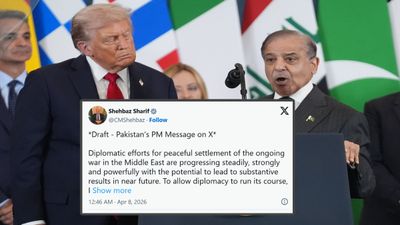 Did US Write Pakistan’s PM Shehbaz Sharif's Tweet To Trump On Iran Ceasefire Talks?
 -
 Trump Rules Out Uranium Enrichment In Iran, Says US Open To Tariff And Sanctions Relief
 -
 Iran Closes Strait of Hormuz After Israel’s Largest Lebanon Strikes
 -
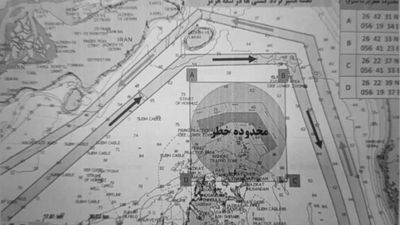 Iran Introduces Alternative Shipping Routes In Strait Of Hormuz As Ceasefire Row Deepens And Regional Tensions
 -
 Oman Rejects Iran’s Hormuz Toll Proposal, Says No Transit Fees Can Be Imposed On Global Shipping Route
 -
 Iran-US War: Pete Hegseth Says US Holds Advantage After US–Iran Ceasefire Announcement
 -
 US-Iran Ceasefire: Did Tehran Climb Down From Its Earlier Position? Check 10-Point Proposal
 -
 US-Iran Agree To 2-Week Ceasefire As Tehran Declares Victory
 -
 Crude Oil Price Today - April 9: Check Prices of Brent Crude, WTI, Urals, Gasoline & Others
 -
 Israel Says US-Iran Ceasefire ‘Does Not Include Lebanon’
 -
 Pakistan Likely To Host US-Iran Talks In Islamabad On Friday
 -
 Today Gold Rate In Chennai & Madurai: Prices Hit 3-Week High In Tamil Nadu



 Click it and Unblock the Notifications
 Sign in with Google