


When Hate Becomes Routine: The Dehradun Case and India’s Fractured Conscience


The killing of Anjel Chakma and the assault on his brother Michael in Dehradun has triggered a familiar cycle in Indian public life-- shock, statements of condemnation, and then political counter-allegations. Congress leader Rahul Gandhi has described the incident as a "horrific hate crime," arguing that such violence does not erupt in isolation but is cultivated over time through toxic narratives.
AI-generated summary, reviewed by editors
Media reports over the past few years suggest that incidents involving attacks on minorities- religious, ethnic and regional- are no longer episodic aberrations. Data compiled by civil rights groups and reported widely in the national press indicate a sharp rise in hate-linked crimes since 2019, particularly in states witnessing intense political polarisation. The National Crime Records Bureau (NCRB) has repeatedly flagged under-reporting of hate crimes, making the real scale of the problem difficult to quantify, but independent trackers show a consistent upward trend.

The Chakma case has struck a nerve because it involves members of a Northeast tribal community- groups that have historically remained at the margins of mainstream political discourse. Rahul Gandhi's reference to Tripura and the Northeast is not incidental. Despite constitutional guarantees, people from these regions routinely report racial profiling, stereotyping and social exclusion in India's urban centres. When violence enters this already fraught equation, it raises questions about institutional indifference.

This incident does not stand alone. Recently, there are documented attacks by self-styled vigilante groups, including affiliates of Bajrang Dal, on Christians during Christmas celebrations in multiple states. Separately, controversial bail decisions- such as that granted to Kuldeep Sengal in a POCSO case- have fuelled public perception that money, influence, or ideological alignment can tilt the scales of justice.

What makes the current moment particularly troubling is the breadth of the insecurity. Muslims have been frequent targets, but Hindu complainants too increasingly allege denial of justice in land, caste or local power disputes. This undermines the simplistic narrative that violence flows in only one direction. Instead, it suggests a broader erosion of trust in state institutions tasked with ensuring equal protection.
A critical factor often highlighted by analysts is the role of sustained narrative-building. Anti-China rhetoric, hyper-nationalist framing, and algorithm-driven outrage on social media have created an environment where suspicion of the "other" becomes socially acceptable. When political leaders fail to clearly and consistently disavow such rhetoric, it risks being interpreted as tacit approval.
India has long described itself as a civilisational melting pot- plural, argumentative and resilient. But pluralism cannot survive on slogans alone. It requires an uncompromising commitment to rule of law, equal justice and responsible leadership across party lines. The Chakma killing is not just a law-and-order failure; it is a warning sign.
The central question is no longer whether hate is rising- it is whether the political class, media and institutions are willing to confront its sources honestly. If justice appears negotiable, guided by money, status or ideology, then the danger Rahul Gandhi alludes to-a society that looks away-becomes real. And that would be a failure not of one party or government, but of the republic itself.
-
 Gold Silver Rate Today, 31 March 2026: City-Wise Prices, MCX Trend As Gold Rises And Silver Slips
 -
 Thunderstorm Warning In Delhi NCR: IMD Issues Orange Alert Amid Sudden Weather Shift
 -
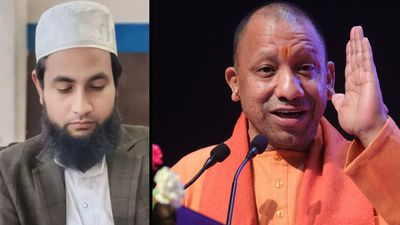 UP STF Nabs Maulana Abdullah Salim Over Controversial Comment On CM Yogi's Mother
 -
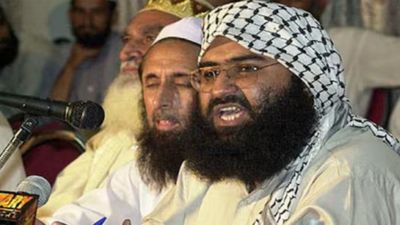 Masood Azhar’s Brother Mohammad Tahir Dies In Pakistan Under Mysterious Circumstances, Cause Yet To Be Known
 -
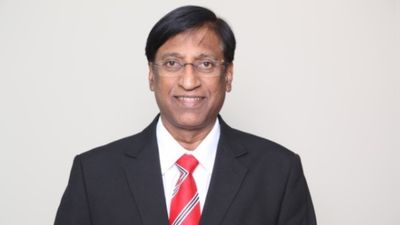 VerSe Innovation Appoints P.R. Ramesh as Independent Director and Chair of Audit Committee to Strengthen Governance Ahead of Next Phase of Growth
 -
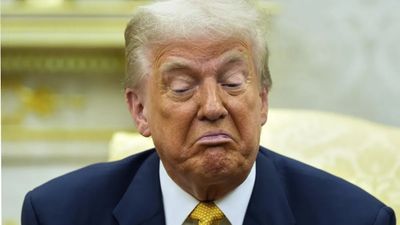 “Not Going To Be There Too Much Longer”: Trump Signals Endgame In Iran War
 -
 Iran Threatens To Hit US Companies in Region From April 1, Names Microsoft, Apple, Tesla, Boeing
 -
 ‘IPL Official’ Found Dead in Mumbai Hotel, Probe Underway
 -
 Leander Paes To Contest West Bengal Assembly Elections 2026? Tennis Star Joins BJP Ahead of Assembly Polls
 -
 April 1 Rule Changes: PAN, New Tax Law, ATM, FASTag, Cards to Impact Millions, What’s Changing?
 -
 China, Pakistan Call for Immediate Ceasefire in Iran War, Push Peace Talks ‘As Soon As Possible’
 -
 Are Banks Closed or Open Today on Mahavir Jayanti? RBI Issues Special March 31 Instructions



 Click it and Unblock the Notifications
 Sign in with Google