


US Eyes ‘Significant Potential’ In Indian Markets As India Aims To Shield Livelihoods of Its Farmers


A dramatic shift in India-US trade relations was signalled this week after US President Donald Trump announced a breakthrough deal via Truth Social. According to the announcement, the United States will slash tariffs on Indian goods from a prohibitive 50% down to 18%. This reduction effectively rescinds a 25% "reciprocal" tariff and a further 25% punitive duty previously linked to India's purchase of Russian oil.
Union Commerce Minister Piyush Goyal confirmed that while the finer details remain under wraps, a joint statement is expected within the next 4-5 days to "lift the veil of secrecy" surrounding the negotiations. The first formal tranche of the agreement is slated for signing by mid-March 2026.
AI-generated summary, reviewed by editors

US Perspective: Addressing the "Unjust" Barriers
From the American side, the focus is squarely on correcting a perceived imbalance in agricultural trade. The USDA has characterized India's current trade environment as one afflicted by "high" and "unjust" tariffs.
Speaking to Indian Express, US Secretary of Agriculture Brooke Leslie Rollins highlighted that India holds "significant potential" to expand its intake of US farm products, provided it reforms "overly generous" subsidy programs and removes non-tariff barriers.
A USDA spokesperson told the English daily: "India has significant potential to expand imports of US agricultural products. High tariffs, unjustified non-tariff measures and other restrictions have afflicted US products across the board. Reductions in these barriers, and reforms in India's overly generous subsidy programs, could help to level the playing field for US farmers, ranchers and producers and support more balanced, mutually beneficial trade over time."
US Agriculture Secretary Brooke Leslie Rollins noted that in 2024, the US ran a $1.3 billion agricultural trade deficit with India, a gap the new deal is intended to close by pumping cash back into rural America.
India's Red Lines: Protecting the Small Farmer
Despite US pressure, Reuters reports that India is unlikely to yield on sensitive sectors. New Delhi has a long-standing policy of keeping agriculture and dairy outside the scope of trade deals to protect millions of small-scale farmers.
Key points of contention include:
Genetically Modified (GM) Crops: India maintains a ban on GM food crops, severely limiting the market for US-grown corn and soybeans.
Dairy Livelihoods: Indian officials argue that the average local herd size (2-3 animals) cannot compete with the industrialized scale of US dairy farms.
Self-Sufficiency: With ample domestic supplies of ethanol and feedstocks like sugarcane and rice, India remains resistant to importing US ethanol.
Potential Middle Ground
While staples remain protected, India may lower barriers for "premium" products that do not threaten the livelihoods of its core farming base. This includes:
High-value nuts: Almonds, walnuts, and pistachios.
Fresh produce: Apples, pears, and berries.
Luxury goods: Wine and spirits.
As the joint statement nears, the challenge for both nations remains balancing the "America First" export drive with India's "Make in India" domestic protections.
-
 Trump Signals US Exit from Iran Within Weeks, Shifts Focus from Diplomacy to Military Goals
 -
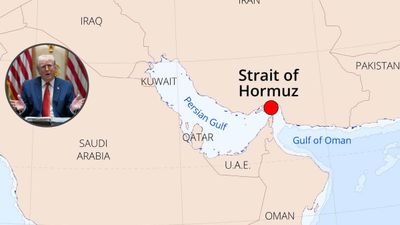 When Will Strait of Hormuz Reopen? Donald Trump’s Iran War Speech Suggests No Quick Relief
 -
 Trump's Address To Nation: Key Pointers From US President's Speech
 -
 Trump Sets Tough Terms For Ceasefire With Iran, Demands Strait Of Hormuz Be “Open, Free, Clear” Amid Conflict
 -
 Will Donald Trump Quit NATO After Iran War Rift? Europe Unites As Alliance Faces Its Biggest Crisis In Decades
 -
 What Is The ‘Stone Age’ Warning Donald Trump Issued To Iran? Says ‘No Deal, No Mercy’
 -
 Donald Trump Offers To Buy Oil From The US, Says “We Have Plenty”; Claims Iran War Will “Finish Very Fast'
 -
 Trump Addresses Nation Amid Iran War, Targets Obama Nuclear Deal, Justifies ‘Operation Epic Fury' , Watch
 -
 ‘Iran Wants Ceasefire’: Donald Trump Threatens To Send Tehran ‘Back To The Stone Age’
 -
 Iran Hits Back at Trump, Threatens Prolonged War
 -
 Stock Market Crashes As Sensex Falls Over 1,400 Points After Trump’s Iran War Warning, Oil Prices Surge
 -
 Gold Rate Today 1 April 2026: Latest IBJA Gold Rates, Tanishq, Kalyan, Malabar, Joyalukkas Prices



 Click it and Unblock the Notifications
 Sign in with Google