


‘Red Gold’ In Trouble: Byadagi Chilli Trade Hit By West Asia Conflict, Farmers Worried
The Middle East conflict has disrupted Byadagi chilli exports from India, with port delays, higher container costs, and unsettled dues impacting farmers and traders. Shipments to Gulf states and other markets are affected, raising supply concerns and pressuring margins in the Byadagi chilli market.


Conflict in West Asia is hitting India’s famous Byadagi Chilli trade hard, leaving farmers worried. Exports have slowed or stopped, containers are stuck at ports, and dues remain unpaid. Traders fear that if disruption continues, prices may fall while costs stay high, creating fresh stress for growers who depend on this crop.

AI-generated summary, reviewed by editors
Shipments of Byadagi chilli powder to Gulf countries, usually running into thousands of tonnes every month, have been halted for about 15 days. Several containers at Mumbai and Chennai ports, holding chilli worth hundreds of crores of rupees, have not moved. This has created a negative mood across the Byadagi chilli market.
Byadagi Chilli exports hit by Middle East conflict
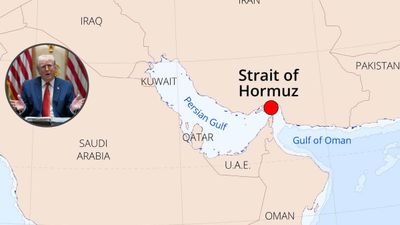
The conflict involving the United States, Israel and Iran has unsettled global trade, beyond crude oil and gas cylinders. Tension around the Hormuz Strait has slowed large container ship movement. Many vessels are almost idle. Gulf countries are not direct parties to the war and have not taken sides, yet trade passing through the region has been badly disturbed.
Export costs for Byadagi Chilli have jumped, especially for consignments headed to Iran, Israel and the United States. Hiring containers on these routes has become expensive since fighting started. Sending chilli to other Asian markets is also costlier now. Traders worry that if this continues, buying rates for chillies may drop in domestic markets.
| Destination | Byadagi Chilli export status |
|---|---|
| Gulf countries | Exports completely stopped for around 15 days |
| Iran, Israel, United States | Container hiring costs sharply higher |
| Malaysia, Indonesia, Bali, Thailand, Singapore | Exports continue, but freight charges have increased |
The war has also hit money flows. Byadagi chilli traders in Iran reportedly owe Indian exporters dues running into many crores of rupees. Because of restrictions and uncertainty, these amounts have not been settled. This has added serious financial pressure on chilli merchants in Byadagi and other parts of Haveri district.
Byadagi Chilli is used widely in sambar spice mixes and also in some cosmetic products. For years, exporters have been sending this chilli and its powder to Malaysia, Indonesia, Bali, Thailand and Singapore. Now, even for these countries, insurance and shipping rates have increased, cutting into margins and straining long-term contracts.
Local farmers in Haveri have faced back-to-back challenges. Last season, heavy rain led to excess supply in the market. Prices fell and quality also declined. Many growers took losses and shifted to other crops. This year, farmers planted less chilli. Early arrivals fetched better prices, but the Middle East war has now created a new crisis.
American airbases located in Gulf countries have become targets for Iran’s attacks, despite Gulf governments not joining the conflict. This has added to risk in the area and affected the movement of goods, including Byadagi Chilli. If the present situation continues, the chilli trade in Byadagi and the livelihood of dependent farmers may remain under unavoidable strain.
-
 We’re In War: Donald Trump Says US Aircraft Loss Won’t Derail Iran Talks
 -
 Iran Hits Back at Trump, Threatens Prolonged War
 -
 US Pilot Reportedly Ejects In Southwest Iran Amid Fresh Iranian Claims Of F-35, F-15E Downing
 -
 Iran Names 8 Gulf, Jordan Bridges as Possible Targets After Deadly Karaj Strike
 -
 US-Sanctioned Iranian Tanker Diverts from India to China Mid-Voyage
 -
 US-Iran War: The End of Invisibility? How Iran May Be Seeing the 'Unseeable' F-35
 -
 When Will Strait of Hormuz Reopen? Donald Trump’s Iran War Speech Suggests No Quick Relief
 -
 What Is The ‘Stone Age’ Warning Donald Trump Issued To Iran? Says ‘No Deal, No Mercy’
 -
 School Assembly News Headlines Today April 03: Top National, International, Sports, Business News
 -
 INS Taragiri To Join Indian Navy Fleet, Boosting Maritime Power
 -
 Centre Plans ₹2.5 Lakh Crore Credit Shield for Businesses Facing Iran Conflict Fallout
 -
 Stock Market Crashes As Sensex Falls Over 1,400 Points After Trump’s Iran War Warning, Oil Prices Surge



 Click it and Unblock the Notifications
 Sign in with Google