


President’s Rule Lifted In Manipur After One Year Ahead Of New NDA Government Swearing-In


President's Rule Lifted in Manipur Ahead of New NDA Government Swearing-In
President's Rule has been withdrawn in Manipur nearly a year after it was imposed, clearing the way for the formation of a new elected government in the border state.

AI-generated summary, reviewed by editors
The decision came just hours before the oath-taking ceremony of the new Manipur cabinet, scheduled for this evening, marking a crucial political reset after months of uncertainty.
The Bharatiya Janata Party-led National Democratic Alliance (NDA) is set to take charge, with Yumnam Khemchand Singh being sworn in as Chief Minister. Several MLAs from the ruling alliance will formally join the new council of ministers.
Why President's Rule Was Imposed
President's Rule was enforced in Manipur in February 2025 after the resignation of then Chief Minister N. Biren Singh. Since then, the state assembly had remained under suspended animation-meaning it was neither dissolved nor active.
The Centre cited prolonged political instability and the ongoing ethnic tensions in the state as reasons for the constitutional step. With the formation of a new government now finalised, the restoration of an elected administration signals a return to constitutional governance.
New Leadership Balances Communities
Chief Minister-designate Khemchand Singh belongs to the Meitei community, which is dominant in Manipur's valley regions. In a move seen as an attempt to balance representation, the two Deputy Chief Ministers will come from different tribal communities.
Nemcha Kipgen, a leader from the Kuki community, and Losii Dikho, from the Naga tribe, are set to take oath as Deputy Chief Ministers. Sources said Nemcha Kipgen may take her oath from a Manipur government guesthouse in Delhi due to logistical reasons.
Seven-time MLA Govindas Konthoujam from Bishnupur district has been entrusted with the Home portfolio. He said he was committed to restoring stability and maintaining public order in the state.
Who Is Yumnam Khemchand Singh
At 61, Khemchand Singh is regarded within political circles as a non-polarising and low-profile leader. Party sources describe him as an administrator who can maintain discipline and coordination during a sensitive transition phase rather than rely on aggressive political rhetoric.
While he is yet to be tested in a crisis of this scale, his selection is seen as an effort to steady the government amid ongoing social and ethnic tensions.
Uneasy Peace After Years of Violence
Manipur continues to witness an uneasy calm nearly three years after ethnic violence first erupted between the Meitei community and Kuki tribes. The conflict displaced thousands and forced many families to live in relief camps across the state.
Several Kuki civil society organisations have already announced that they will not participate in the new Manipur government. Some have also distanced themselves from Kuki MLAs who agreed to join the cabinet.
Kuki leader Paolienlal Haokip reiterated the community's stand a day before the government formation, stating that without justice and a written commitment for a political settlement, Kuki-Zo representatives could not support the election of a legislative party leader.
Conflicting Demands on the Ground
Meitei civil society groups have argued that the immediate priority should be the safe return of all internally displaced people to their homes, with political dialogue continuing alongside rehabilitation efforts.
Kuki leaders, however, have maintained that a political solution-often articulated as a separate administrative arrangement-must come first. They insist that discussions on rehabilitation cannot move forward without addressing their core political demands.
This divergence has deepened mistrust between the communities. Meitei leaders allege that the demand for a separate administration amounts to an ethnocentric homeland claim, while Kukis argue it is necessary for their safety and dignity.
-
 BJP Releases 4th List Of 13 Candidates For West Bengal Polls, Names 287 Nominees So Far
 -
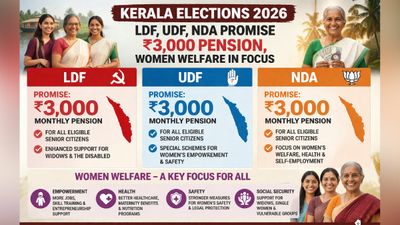 Kerala Elections 2026: LDF, UDF, NDA Promise ₹3,000 Pension, Women Welfare in Focus
 -
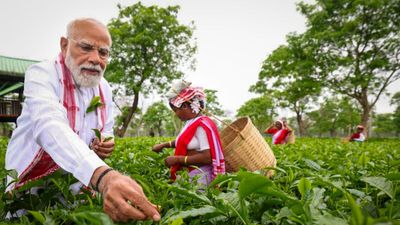 PM Modi Plucks Tea Leaves in Assam, Joins Workers Ahead of Poll Rallies
 -
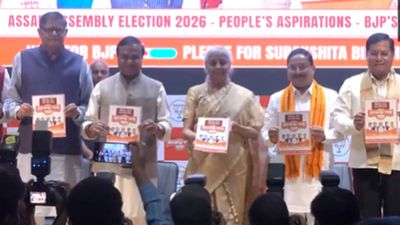 BJP Unveils Assam Poll Manifesto Promising 2 Lakh Jobs, Flood-Free State And Boost To Education & Healthcare
 -
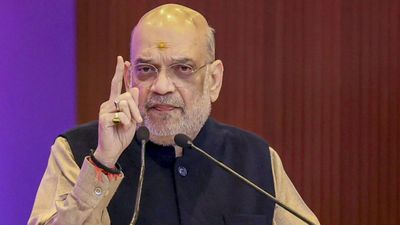 Amit Shah Leads Massive Bhabanipur Roadshow, Urges Fear-Free Voting And Backs Suvendu Adhikari Against TMC
 -
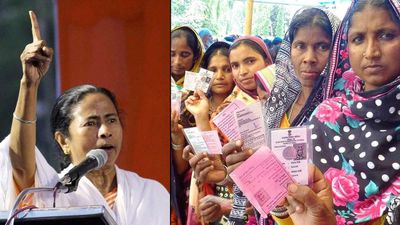 West Bengal’s Vote Share vs Seat Share Paradox: Reading 2021, Reframing 2026
 -
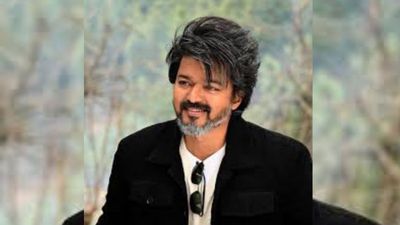 TVK Chief Vijay Booked For Alleged Election Code Violation, Accused Of Blocking Ambulance During Poll Campaign
 -
 Gold Rate Today 31 March 2026: Latest IBJA Benchmark And Tanishq, Kalyan, Malabar, Joyalukkas Rates
 -
 Gold Rate Today 1 April 2026: Latest IBJA Gold Rates, Tanishq, Kalyan, Malabar, Joyalukkas Prices
 -
 Gold Silver Rate Today, 31 March 2026: City-Wise Prices, MCX Trend As Gold Rises And Silver Slips
 -
 RCB Vs CSK IPL 2026 Tickets At Chinnaswamy: Official Sale, Metro Perks, And Entry Guidelines
 -
 Hyderabad Gold Silver Rate Today, 1 April 2026: Check 18K, 22K, 24K Gold And Silver Prices In Nizam City



 Click it and Unblock the Notifications
 Sign in with Google