


India-EU Trade Deal: From BMW To Whisky, Products Set To Get Cheaper After Landmark Pact


After an 18-year negotiating marathon, India and the European Union signed a landmark Free Trade Agreement at the India-EU Summit in New Delhi on January 27, 2026.

AI-generated summary, reviewed by editors
Commerce Secretary Rajesh Agrawal has confirmed that talks on what has been described as the "mother of all deals" are complete, with the agreement expected to be signed this year and come into force from early 2027, subject to approvals.
The pact comes at a time of rising geopolitical uncertainty and global economic pressure, strengthening economic and political ties between two of the world's largest democracies. With India now the world's fourth-largest economy and home to the largest population, the deal is expected to reshape trade flows, reduce prices for Indian consumers and significantly boost European exports.
Why the India-EU Deal Matters for Prices in India
EU exports to India have historically remained low due to very high import tariffs and complex administrative procedures. Following the signing of the agreement, India has committed to cutting or eliminating tariffs on over 90 percent of EU goods exports, alongside simplifying customs procedures and reducing regulatory burdens.
According to EU estimates, the deal could save European exporters up to €4 billion annually in duties. For Indian consumers, this translates into cheaper imported products across automobiles, food, beverages, machinery, healthcare equipment and luxury goods.
Luxury Cars and Industrial Goods Set for Major Duty Cuts
One of the biggest changes will be seen in the automobile sector. India has agreed to grant the EU tariff reductions that no other trade partner has received so far.
Under the agreement:
- Import duties on EU-made cars will gradually fall from 110 percent to 10 percent
- A quota of up to 250,000 vehicles per year will apply
- The initial phase is expected to focus on petrol and diesel vehicles, with electric vehicles excluded for the first five years to protect domestic manufacturers
This is expected to make premium European brands far more accessible in India.
Beyond cars, several industrial sectors will see near-zero tariffs, lowering costs for businesses and consumers alike.
Food, Wine and Chocolates to Become More Affordable
The deal also opens India's vast consumer market to European agri-food products by reducing often prohibitive tariffs that currently average over 36 percent.
Importantly, only products originating from EU member states will benefit. Ireland, being an EU member, is included. The United Kingdom is not part of the EU and UK-origin products will not benefit under this agreement unless covered by a separate India-UK deal.
Products Expected to Get Cheaper After the India-EU Trade Deal
Automobiles and Industrial Goods
- EU-made luxury cars such as BMW, Mercedes-Benz and Audi
- Machinery and electrical equipment
- Aircraft components and aerospace equipment
- Optical, medical and surgical instruments
- Pharmaceuticals
- Iron and steel products
- Plastics and industrial chemicals
Jewellery and Precious Materials
- Rough diamonds imported from Belgium's Antwerp
- Jewellery made using EU-origin precious stones and metals
Food and Beverages from EU Countries
- Wine from EU member states
- Spirits produced within the EU, including Irish whiskey
- Beer from EU countries
- Olive oil, margarine and vegetable oils
- Processed foods such as biscuits, pasta, pastries and chocolate
- Fruit juices and non-alcoholic beer
- Sheep meat and selected meat preparations
Important Caution
- Scotch whisky and other UK-origin products are not covered, as the UK is not part of the EU
- Irish-origin products are eligible, as Ireland remains an EU member
Boost for Services, Small Businesses and Jobs
Beyond goods, the agreement provides EU service providers with enhanced access to India's services market, including financial services and maritime services. These are the most ambitious commitments India has offered in any trade agreement so far.
A dedicated chapter for small and medium-sized enterprises aims to make cross-border trade easier by improving access to information, reducing red tape and ensuring transparent and predictable rules.
EU exports to India already support around 800,000 European jobs, and the expected doubling of exports could create many more.
Sustainability, Labour Rights and Long-Term Impact
The trade pact also includes legally binding sustainability commitments covering environmental protection, climate action, workers' rights and women's empowerment. Provisions aligned with International Labour Organisation standards and global climate agreements aim to ensure growth that is inclusive and responsible.
Negotiations for the agreement began in 2007 and went through several rounds over nearly two decades. Once ratified by both sides, the deal is expected to usher in a new phase of India-EU trade, driving investment, lowering consumer prices and strengthening long-term economic cooperation.
-
 Tamil Nadu Election Predictions: AIADMK Fails To Unseat Stalin's DMK, Says Pre Poll Survey
 -
 Hyderabad Gold Silver Rate Today, 1 April 2026: Check 18K, 22K, 24K Gold And Silver Prices In Nizam City
 -
 Bangalore Gold Rate Today, 1 April 2026: Latest IBJA Gold Rates, Bhima, Abharan, Jos Alukkas, GRT Prices
 -
 War Lockdown Notice Goes Viral Over Iran Claims, Sparks Panic Online
 -
 Gold Silver Rate Today, 1 April 2026: City-Wise Prices Rise Sharply, MCX Gold And Silver Surge
 -
 Can Raghav Chadha Be The PM? How His Parliament Speeches On Real Issues Won Public Attention
 -
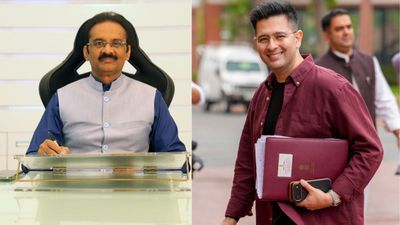 Who Is Ashok Mittal? The Man Replacing Raghav Chadha In Rajya Sabha, From Sweet Shop Roots to Parliament
 -
 Civil Defence Mock Drill in Delhi At 8 PM Today: Full Schedule of Locations and Timings Released
 -
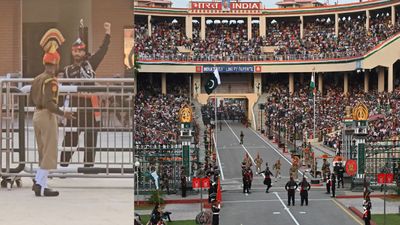 Wagah Border Viral Video: BSF Jawan’s Funny Reply To Pakistan Guard Wins Internet
 -
 Hyderabad Gold Silver Rate Today, 2 April 2026: Know Latest Gold and Silver Prices In Nizam City
 -
 Iran-US War: Donald Trump’s Missteps And The NATO Paradox
 -
 Laid Off After 20 Years Via Email: Oracle Faces Criticism As Viral Post Highlights Cancer Patient’s Job Loss



 Click it and Unblock the Notifications
 Sign in with Google