


FASTag New Rule From February 1, 2026: What Changes for New and Existing Vehicle Owners


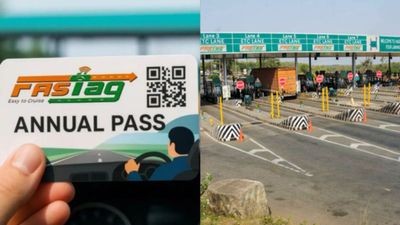
From February 1, 2026, getting a FASTag for a new vehicle will follow a simpler and more transparent process under a new rule issued by the National Highways Authority of India. The Union government expects the changes to reduce paperwork, prevent delays at toll plazas, and make highway travel smoother for vehicle owners.
Under the new FASTag rule, banks will activate a FASTag for a new vehicle only after all vehicle details are verified in advance. Earlier, many FASTags were activated first and verified later. This often resulted in sudden deactivation, repeated warning messages, and confusion for vehicle owners even when documents were valid. The revised process aims to prevent such problems.
AI-generated summary, reviewed by editors

A major change under the new rule is the use of the VAHAN portal as the main source for vehicle verification. Banks must now confirm registration number, vehicle category, and related details directly from the VAHAN database before activating a FASTag. If vehicle information is not available on VAHAN, banks will verify details using the Registration Certificate and will be fully responsible for the accuracy of the verification.
Another key relief for new vehicle owners is the removal of the separate Know Your Vehicle process. Earlier, KYV checks were conducted independently even after FASTag issuance, leading to repeated document checks. From February 2026, the Registration Certificate will be verified once during FASTag issuance, completing the process in a single step.
The new FASTag rule also provides clarity for existing FASTag users. Vehicle owners who already have a FASTag will not be required to undergo fresh KYC or KYV, provided there is no complaint or irregularity linked to their tag. Their FASTag will continue to function as usual without additional procedures.
At the same time, authorities have kept provisions for re verification in specific cases. If a FASTag is found to be issued to the wrong vehicle, fitted on an unauthorised vehicle, or linked to suspected misuse or fraud, banks may still demand KYV. In the absence of such issues, existing users are not expected to face extra checks.
Officials from the Ministry of Road Transport and Highways have acknowledged that the earlier system caused inconvenience to many vehicle owners. Complaints included unexplained FASTag blocks, verification failures despite correct documents, and repeated alerts even after activation. The government believes the revised rule will address these issues while improving control over wrongly issued FASTags.
By ensuring verification before activation and clearly fixing responsibility on banks, the authorities aim to reduce disputes at toll plazas and improve the overall toll collection system. For motorists who use highways regularly, the new FASTag rule is expected to make toll payments smoother and travel more predictable from February 2026.
-
 Thunderstorm Warning In Delhi NCR: IMD Issues Orange Alert Amid Sudden Weather Shift
 -
 UP STF Nabs Maulana Abdullah Salim Over Controversial Comment On CM Yogi's Mother
 -
 Masood Azhar’s Brother Mohammad Tahir Dies In Pakistan Under Mysterious Circumstances, Cause Yet To Be Known
 -
 VerSe Innovation Appoints P.R. Ramesh as Independent Director and Chair of Audit Committee to Strengthen Governance Ahead of Next Phase of Growth
 -
 “Not Going To Be There Too Much Longer”: Trump Signals Endgame In Iran War
 -
 Iran Threatens To Hit US Companies in Region From April 1, Names Microsoft, Apple, Tesla, Boeing
 -
 ‘IPL Official’ Found Dead in Mumbai Hotel, Probe Underway
 -
 Leander Paes To Contest West Bengal Assembly Elections 2026? Tennis Star Joins BJP Ahead of Assembly Polls
 -
 April 1 Rule Changes: PAN, New Tax Law, ATM, FASTag, Cards to Impact Millions, What’s Changing?
 -
 China, Pakistan Call for Immediate Ceasefire in Iran War, Push Peace Talks ‘As Soon As Possible’
 -
 Iran’s New Hormuz Plan Targets Global Shipping with Tolls, What Does It Mean?
 -
 Are Banks Closed or Open Today on Mahavir Jayanti? RBI Issues Special March 31 Instructions



 Click it and Unblock the Notifications
 Sign in with Google