


Delhi to Dehradun in 2.5 Hours: How The New Expressway Changes Everyday Travel


For anyone who has endured the long, unpredictable journey between Delhi and Dehradun, the promise of a faster, smoother drive has often felt like a distant dream. It has changed from today. With the inauguration of the Delhi-Dehradun Economic Corridor by Prime Minister Narendra Modi, a new chapter in everyday travel across northern India is set to begin, one that could make a tangible difference to ordinary lives.
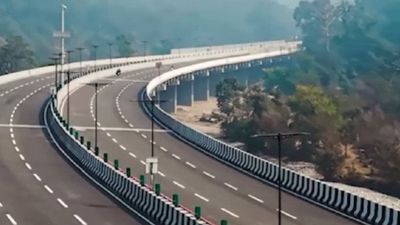
At its heart, the 213-kilometre, six-lane expressway is about saving time. What currently takes over six hours-often longer with traffic, roadworks, or weather disruptions-will be reduced to roughly two and a half hours. For commuters, families, and small business owners, that is not just a statistic; it is reclaimed time. Time for work, for rest, or simply for being at home rather than stuck behind a wheel.
AI-generated summary, reviewed by editors

The benefits extend beyond convenience. Faster travel means reduced fuel consumption, which in turn lowers travel costs. For a middle-class family planning a weekend trip to Dehradun or Mussoorie, the journey becomes less tiring and more affordable. For transporters and traders, quicker turnaround times can translate into better business efficiency and fresher goods reaching markets.
Journey & Travel Time
Distance: 213 km
Travel time reduced from 6+ hours to about 2.5 hours
Six-lane, access-controlled expressway for smoother, high-speed travel
Connects Delhi, Uttar Pradesh, and Uttarakhand
Importantly, the corridor has been designed with modern infrastructure standards that prioritise safety. Features such as an Advanced Traffic Management System will help monitor traffic in real time, manage congestion, and respond swiftly to emergencies. For everyday drivers, this means fewer uncertainties and a more predictable journey-something often lacking on traditional highways.

Budget & Scale
Total project cost: over ₹12,000 crore
One of the major infrastructure projects aimed at boosting regional connectivity
The expressway also introduces practical improvements along the route. With multiple interchanges, railway overbridges, and wayside amenities, travellers will have easier access points and better facilities for rest, fuel, and food. These small but essential additions can make long drives significantly more comfortable, especially for families and elderly passengers.
Infrastructure Features
10 interchanges for easy entry and exit
3 Railway Over Bridges (ROBs)
4 major bridges
12 wayside amenities (rest stops, fuel, food, etc.)
Equipped with Advanced Traffic Management System (ATMS) for safer and efficient travel
Yet, what makes this project stand out is its attempt to balance development with environmental care. The route passes through ecologically sensitive areas rich in wildlife. Instead of ignoring this, planners have incorporated features such as a 12-kilometre elevated wildlife corridor-among the longest in Asia-along with animal underpasses and dedicated crossings. For local communities, this could mean fewer incidents involving wildlife and safer surroundings, while preserving the natural heritage of the region.
Environmental & Wildlife Protection
12 km elevated wildlife corridor (among the longest in Asia)
8 animal passes for safe wildlife movement
2 elephant underpasses (200 metres each)
370-metre tunnel near Daat Kali Temple
Designed to reduce human-wildlife conflict
- TVK Chief Vijay Cuts Chennai Roadshow Short As String Of Election Rally Cancellations Continues
- Bengal Doctor Offers Instant Discount On Checkup For Saying ‘Jai Shri Ram’, Says ‘It’s A Political Slogan'
- BJP's Tamil Nadu Manifesto Out: Will 'Thiruparankundram Lamp' Promise Give An Edge In April 23 Poll?
- Supreme Court Grants No Relief To Bengal Voters Deleted In SIR, Says They Cannot Cast Votes
- War of Words in Bengal: Amit Shah-Mamata Banerjee Trade Fiery Blows Ahead of Polls
Economically, the impact could be far-reaching. Improved connectivity between Delhi, western Uttar Pradesh, and Uttarakhand is likely to boost tourism, create jobs, and encourage new businesses along the route. Small roadside vendors, hotel owners, and service providers may find new opportunities as traffic increases and travel becomes more frequent.
For the common person, the Delhi-Dehradun Expressway is not merely a large infrastructure project. It is a shift in how distances are experienced-making cities feel closer, journeys less burdensome, and opportunities more accessible. In a country where time and connectivity often define quality of life, that is a change many will welcome.
-
 Delhi-Dehradun Expressway Update: How Much Toll Will You Be Charged In This Route, Check Here
 -
 Noida Traffic Jam Alert: Kilometres-Long Jam Hits DND, NH-9 And Sector 62 Amid Factory Workers’ Protest
 -
 Prayagraj Ring Road’s Second-Phase Ganga Bridge to Feature 2.1-km Cable-Stayed Stretch, Segment Work From June
 -
 PM Modi, Donald Trump Hold 40-Minute Call, Discuss Middle East Crisis , Strait of Hormuz And More
 -
 PM Modi Writes to Party Leaders, Pushes for Swift Rollout of Women’s Reservation Law
 -
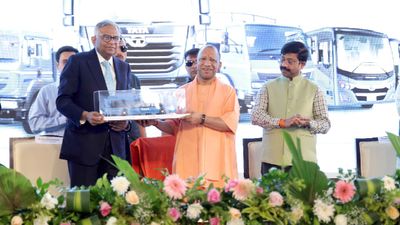 Tata Motors Hits 10 Lakh Vehicle Milestone In Lucknow As CM Yogi Showcases UP’s Growth Story
 -
 Bengaluru Traffic Alert: Bengaluru To Mangaluru Highway Closed For 12 Hours Amid Mandya Security Lockdown
 -
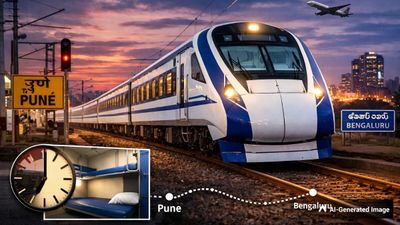 Pune-Bengaluru in 13 Hours! Vande Bharat Sleeper with 16 AC Coaches Cleared
 -
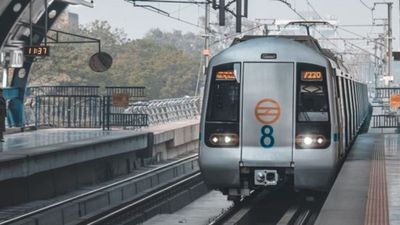 Noida Protest: Is Delhi Metro Affected or Running Normally? What Commuters Need To Know
 -
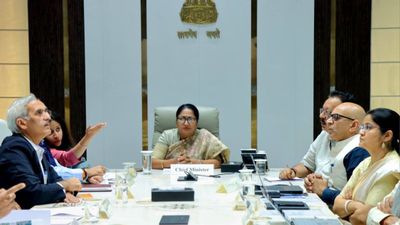 CM Rekha Gupta Reviews Metro, Flyover Projects; Big Boost For Delhi By 2026
 -
 Bengaluru IPL Traffic Advisory Lists No Parking Roads And Designated Parking Spots Near Chinnaswamy
 -
 CM Rekha Gupta Announces Delhi EV Policy: Only Electric 3-Wheelers from 2027, 2-Wheelers from 2028



 Click it and Unblock the Notifications
 Sign in with Google