


Stranger Things 5: What Is the ‘Conformity Gate’ Theory Everyone Is Talking About?


When Stranger Things finally closed the chapter on Hawkins, it resisted the comfort of a tidy resolution. Rather than delivering a clear-cut triumph, the final season left viewers - especially younger audiences - with unanswered questions that continue to echo after the final scene. Adding to the intrigue is growing speculation that an additional episode or extended finale could arrive as early as tomorrow, reigniting debate around the show's meaning. Among the many interpretations gaining traction, the "Conformity Gate" theory has stood out as one of the most thought-provoking explanations of what the series was ultimately trying to convey.

AI-generated summary, reviewed by editors
According to this theory, the Upside Down is not merely a parallel world unlocked through scientific mishap, but a warped mirror of the society the characters already live in. Hawkins is portrayed as a place deeply invested in appearances, where fitting in is rewarded, difference is quietly discouraged, and emotional expression is often suppressed. The "gate," the theory suggests, does not open only through machines or laboratories, but through social pressure - the pressure to conform, to remain silent, and to bury grief, fear, and individuality. Notably, those most affected by the Upside Down are often the outsiders: the misunderstood, the marginalised, and the emotionally exposed.
This lens reshapes how the final season's antagonist is understood. Vecna is no longer simply a villain to be defeated, but a consequence of the same rigid system that defines Hawkins. Henry Creel's early life is marked by isolation and control, with his differences treated as threats rather than traits to be understood. Through the Conformity Gate perspective, his transformation reflects the damage caused by enforced sameness, rather than the sudden emergence of evil. Even the Mind Flayer begins to feel less like a monster and more like a metaphor - a force that consumes individuality and demands obedience, echoing a society that prioritises order over compassion.
For many younger viewers, the theory resonates because of its familiarity. The fear of standing out, the fatigue of constant self-performance, and the unspoken expectation to hide vulnerability are experiences that extend far beyond the screen. By the conclusion of its final season, Stranger Things appears less focused on sealing a supernatural breach and more intent on revealing the conditions that allowed it to exist. Whether or not another episode is released, the show's final message remains striking: the most dangerous worlds are not always those created by science, but those shaped when people are forced to deny who they truly are.
-
 Thunderstorm Warning In Delhi NCR: IMD Issues Orange Alert Amid Sudden Weather Shift
 -
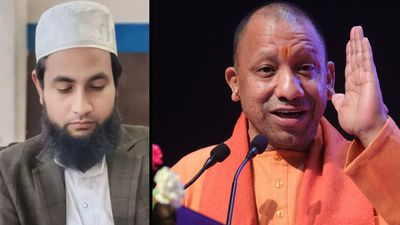 UP STF Nabs Maulana Abdullah Salim Over Controversial Comment On CM Yogi's Mother
 -
 Masood Azhar’s Brother Mohammad Tahir Dies In Pakistan Under Mysterious Circumstances, Cause Yet To Be Known
 -
 VerSe Innovation Appoints P.R. Ramesh as Independent Director and Chair of Audit Committee to Strengthen Governance Ahead of Next Phase of Growth
 -
 “Not Going To Be There Too Much Longer”: Trump Signals Endgame In Iran War
 -
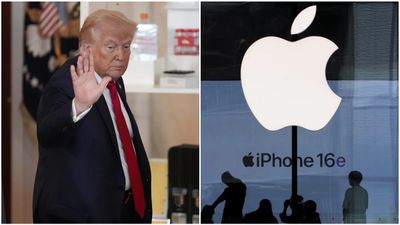 Iran Threatens To Hit US Companies in Region From April 1, Names Microsoft, Apple, Tesla, Boeing
 -
 ‘IPL Official’ Found Dead in Mumbai Hotel, Probe Underway
 -
 Leander Paes To Contest West Bengal Assembly Elections 2026? Tennis Star Joins BJP Ahead of Assembly Polls
 -
 April 1 Rule Changes: PAN, New Tax Law, ATM, FASTag, Cards to Impact Millions, What’s Changing?
 -
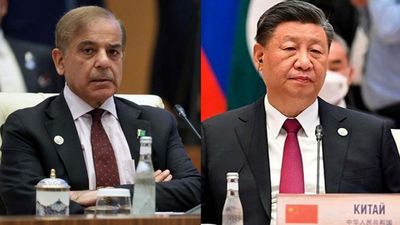 China, Pakistan Call for Immediate Ceasefire in Iran War, Push Peace Talks ‘As Soon As Possible’
 -
 Iran’s New Hormuz Plan Targets Global Shipping with Tolls, What Does It Mean?
 -
 Are Banks Closed or Open Today on Mahavir Jayanti? RBI Issues Special March 31 Instructions



 Click it and Unblock the Notifications
 Sign in with Google