


Weak Rupee, Surging Oil: Indian Currency Hits New Record Low Against Dollar


The rupee hit a new record low against the US dollar on Monday as global oil prices soared and tensions involving the United States, Israel and Iran unsettled markets. The currency slipped 0.6% to 92.3350 per dollar, breaching last week’s record of 92.3025, signalling mounting pressure on India’s import-dependent economy.
Investors shifted cash into safer assets such as the US dollar after military action by the United States and Israel against Iran last week. The conflict pushed Brent crude up as much as 26.4% to $117.16 a barrel, with prices hovering near $116.4 in Asian trade, sharply raising energy costs for countries like India.
AI-generated summary, reviewed by editors

Why oil prices and rupee movements matter for India’s economy
India is the world’s third largest crude oil importer, so swings in oil prices quickly influence the wider economy. Oil is traded in US dollars. When the rupee weakens, India must spend more in local currency for the same volume of crude, which lifts the import bill and can widen the trade deficit.
Higher crude prices, combined with a soft rupee, tend to worry currency traders. Rising energy costs worsen the current account deficit, so markets often sell the rupee when oil jumps. This feedback loop links global tensions, oil prices and rupee movements, making external shocks more painful for India.
Oil prices and rupee: impact on inflation and daily costs
Costlier crude and a weaker rupee can feed into higher inflation across the economy. Fuel is central to transport, logistics and manufacturing. When global oil prices rise, petrol and diesel usually become more expensive, raising the cost of moving goods and running factories, which can lift prices for households.
Businesses that face steeper fuel and input costs may pass part of the burden to consumers. This can push up prices of food, essentials and services across cities and smaller towns. If inflation rises sharply and stays high, household budgets come under strain and future economic growth can slow.
Oil prices and rupee pressures on government finances
Government finances also feel the strain when oil prices climb while the rupee weakens. India spends large sums on energy imports each year, so expensive crude inflates the overall import bill and can widen the current account deficit. Budget planning becomes harder if these conditions last for many months.
The weak rupee does not only affect oil. It also raises the cost of importing fertilisers, chemicals, electronic components and other key inputs. These higher costs can ripple through agriculture and industry, challenging fiscal management and forcing policymakers to weigh subsidies, taxes and spending trade-offs more carefully.
-
 US Pilot Reportedly Ejects In Southwest Iran Amid Fresh Iranian Claims Of F-35, F-15E Downing
 -
 Donald Trump Issues Fresh 48-Hour Ultimatum to Iran Over Hormuz Standoff
 -
 Has Pakistan Lifted The Ban on Dhurandhar 2? Find Out The Truth
 -
 Iran Hits Back at Trump, Threatens Prolonged War
 -
 Trump Sets Tough Terms For Ceasefire With Iran, Demands Strait Of Hormuz Be “Open, Free, Clear” Amid Conflict
 -
 We're The Only Country To Lose Mariners At Strait of Hormuz: India At UK-led West Asia Meet On Iran Crisis
 -
 Iran Snubs Pakistan’s Peacemaker Pretensions, Refuses To Meet US Officials In Islamabad
 -
 We’re In War: Donald Trump Says US Aircraft Loss Won’t Derail Iran Talks
 -
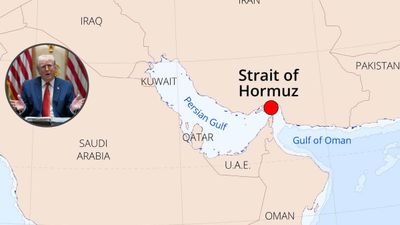 When Will Strait of Hormuz Reopen? Donald Trump’s Iran War Speech Suggests No Quick Relief
 -
 School Assembly News Headlines Today April 03: Top National, International, Sports, Business News
 -
 Donald Trump Offers To Buy Oil From The US, Says “We Have Plenty”; Claims Iran War Will “Finish Very Fast'
 -
 Centre Plans ₹2.5 Lakh Crore Credit Shield for Businesses Facing Iran Conflict Fallout



 Click it and Unblock the Notifications
 Sign in with Google