


Bengaluru Weather Swings: Chilly Nights, Scorching Mid-Days Drives Rise In Cough And Fever Cases


A sharp shift in Bengaluru's daily weather pattern is being linked to a steady rise in cough, fever and breathing-related complaints across city hospitals, with doctors pointing to cold nights followed by daytime temperatures touching nearly 31°C as the key trigger.
Over the past week, outpatient departments in several parts of Bengaluru have reported an increase in patients arriving with symptoms such as persistent cold, sore throat, fatigue and breathlessness. Many of them say they feel comfortable during the cooler early hours or late at night, only to develop uneasiness, feverishness or tiredness by evening after exposure to mid-day heat.
AI-generated summary, reviewed by editors

Doctors note that the city is currently recording night-time temperatures around 13-14°C, while afternoons are warming up rapidly. This within-day variation is forcing the body to repeatedly adjust to contrasting conditions in a short span of time.
Internal medicine specialists say such fluctuations affect how the body maintains its internal temperature. Frequent transitions from cool outdoor air at night to warmer conditions during the day can lead to fatigue, disturbed sleep and physiological stress. This, in turn, may weaken immunity and increase vulnerability to seasonal viral infections.
Respiratory complaints appear to be the most common outcome. Clinics are seeing more cases of viral flu, lingering cough, throat irritation and low-grade fever, particularly among children, older adults and those already living with asthma or other chronic lung conditions. In some instances, patients with wheezing or bronchitis have reported prolonged symptoms lasting several weeks.
Low humidity and dry air are also being flagged as contributing factors. These conditions may dry out the protective lining of the nose and throat, making it easier for viruses and bacteria to enter the respiratory tract.
Daily commuters are among those most affected, as they move between cool early-morning conditions, air-conditioned offices and warmer outdoor environments later in the day. Repeated exposure to such changes, along with dust and traffic-related pollution, is placing additional strain on both the lungs and immune system.
Physicians are also observing occasional cardiovascular responses linked to the temperature swing. Cold conditions at night can cause blood vessels to constrict, sometimes raising blood pressure, while sudden warmth during the afternoon may lead to expansion of vessels, triggering dizziness or faintness in some individuals.
Doctors advise residents to dress in layers during the night and early morning hours and switch to light, breathable clothing by mid-day. Staying hydrated, avoiding prolonged exposure to the afternoon sun and maintaining regular sleep and dietary routines are being recommended as basic protective steps.
With daytime temperatures already nearing 31°C after chilly nights, experts expect weather-related illness to persist through the seasonal transition unless residents take simple measures to manage exposure and support their immunity.
-
 Who Is Ashok Mittal? The Man Replacing Raghav Chadha In Rajya Sabha, From Sweet Shop Roots to Parliament
 -
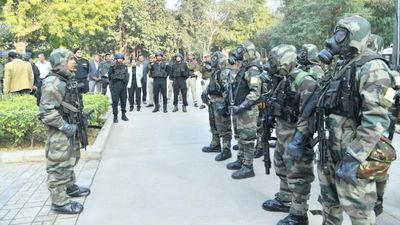 Civil Defence Mock Drill in Delhi At 8 PM Today: Full Schedule of Locations and Timings Released
 -
 Hyderabad Gold Silver Rate Today, 2 April 2026: Know Latest Gold and Silver Prices In Nizam City
 -
 Purple Halcyon Aka Ashwani A: Who Is This Instagram Viral Girl Earning ₹70 Lakh via Subscriptions?
 -
 From Where Will Annamalai Contest TN Elections - Coimbatore North or Modakurichi?
 -
 Gold Rate In Bangalore Today, 2 April 2026: IBJA Benchmark Rates, Bhima, Abharan, Jos Alukkas, GRT Prices
 -
 Bengaluru Karaga 2026: 26-km Midnight Procession Draws Lakhs as Tradition, Devotion Light Up City
 -
 Ramayana Teaser Review: Epic Ambition Meets Work-in-Progress Visuals As Ranbir Silences Critics
 -
 April 3 Dry Day In Tamil Nadu Or Not? Status of Bars, TASMAC & Liquor Shops On Good Friday
 -
 No Cause for Panic: Iran Reassures India on Hormuz Situation
 -
 Is April 15 Lockdown in India Announcement True Amid Iran-US War Fears? How to Spot Fake News Online
 -
 Gold Silver Rate Today, 2 April 2026: City-Wise Prices, MCX Tracks Sharp Rise In Gold And Silver Across India



 Click it and Unblock the Notifications
 Sign in with Google